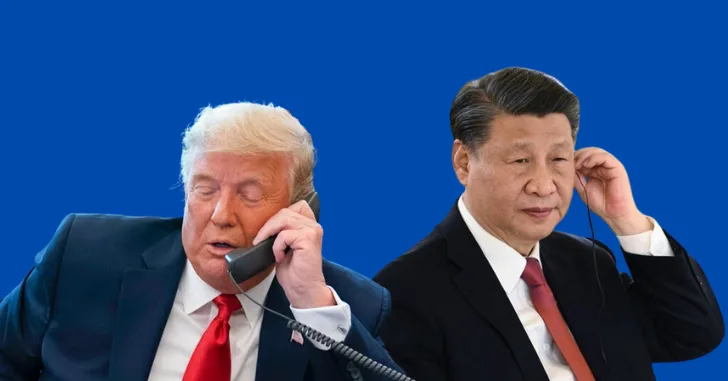
Markets around the world are on alert for an expected phone call between President Donald Trump and President Xi Jinping. At first glance, headlines focus on TikTok. But this call is about far more than one social media app. It is about trade flows, technology licensing, critical minerals, and the next phase of the U.S.–China economic relationship.
For investors, the stakes could not be higher. How these two leaders handle cross-border tech platforms, export controls, and tariffs will directly affect valuations in technology, industrials, energy, and consumer sectors. The call could pave the way for a framework to reduce tensions or deepen them. Understanding the moving parts now will help you anticipate opportunities and risks.
The TikTok Deal: A Test Case for Cross-Border Tech
On Monday, U.S. trade negotiators reached a framework agreement with their Chinese counterparts for ByteDance to divest its U.S. TikTok operations to American owners. Details remain undisclosed, but reports indicate a U.S. consortium led by Oracle would own 80% of TikTok’s U.S. operations. The new company would likely license ByteDance’s technology and re-create the algorithm that made the app so valuable. Oracle would manage the data, which it already helps secure under an existing partnership.
This approach is significant. It offers a potential template for handling other Chinese technology in the U.S. market. The licensing arrangement attempts to address national security concerns by separating ownership of the algorithm from data management. However, it does not completely eliminate security questions, which is why final approval from both President Trump and President Xi is still required. China’s own export rules on algorithms add another layer of complexity.
Laila Khawaja, head of technology research at Gavekal, noted, “Xi sees that Trump wants TikTok and this can bring him to the table for a broader negotiation.” She added that TikTok isn’t critically important to Beijing, since ByteDance earns only about a quarter of its revenue overseas and less than 20% from the U.S. app. That means Beijing may be more willing to compromise on TikTok than on more strategic technologies.
Beyond TikTok: Trade, Tariffs and Critical Minerals
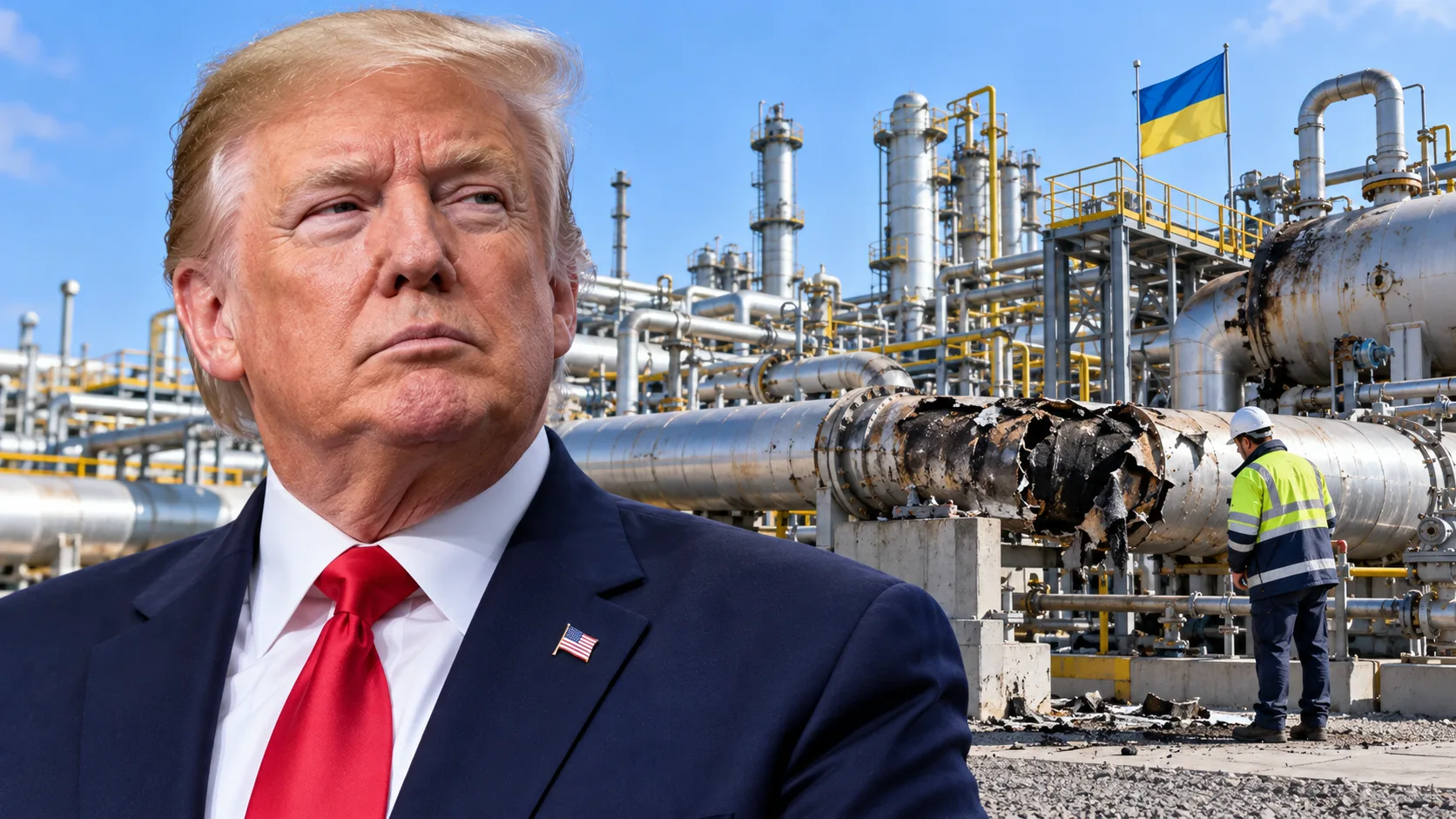
The Trump–Xi call is not just about a single company. It follows months of escalating trade tensions. In April, the U.S. imposed triple-digit tariffs and restricted Chinese access to critical minerals. China retaliated by tightening exports of technology and goods needed by U.S. companies. These tit-for-tat measures rattled global supply chains.
Now, both sides appear to be signaling a desire to stabilize the relationship. The U.S. recently allowed Nvidia to sell its H20 chips in China, even as Beijing closed an antitrust probe into Google. These small steps are being read by analysts as signals of tactical de-escalation.
One concern is that the two sides may walk away from the call with different versions of what was agreed. Misunderstandings earlier in the summer over U.S. access to rare minerals rattled auto and industrial companies reliant on China for critical magnets. Henrietta Levin, senior fellow at the Center for Strategic and International Studies and a former director for China at the White House National Security Council, summed up the challenge: “It will be good to see the degree to which they are coordinated and if they agree on what they are talking about with the TikTok deal. The fact they both want a call and a meeting suggests tactical stability in the relationship, but it doesn’t mean they will get it.”
The Market’s Lens: Scenarios and Implications
Most geopolitical analysts expect the Trump–Xi call to produce a further softening of rhetoric. Export restrictions, tariffs, and Chinese agreements to buy U.S. goods such as soybeans will likely be discussed, but few expect major moves immediately. The focus is on setting up a face-to-face leader meeting that could yield bigger deals.
Here’s how investors should think about possible outcomes:
| Scenario | Potential Outcome | Investor Implications |
|---|---|---|
| TikTok Deal Approved | U.S. consortium gains majority control; algorithm licensed under tight oversight. | Relief for Oracle and partners; ad revenue stream preserved; content creator ecosystem stabilized; signals a template for other tech deals. |
| Partial Compromise | Deal delayed or modified; key issues like algorithm remain unresolved. | Short-term volatility in digital ad and social platforms; higher risk premiums in cross-border tech. |
| Broader Trade Gesture | Agreement on easing export restrictions on critical minerals or loosening inbound investment rules. | Supply chain relief for EVs, semiconductors, batteries; potential upside in mining and specialty materials stocks. |
| Symbolic Only | Call yields softened rhetoric but no substantive policy changes. | Uncertainty continues; valuations may remain under pressure in sectors most exposed to China. |
Critical Minerals and Supply Chain Risk: The Under-Reported Angle
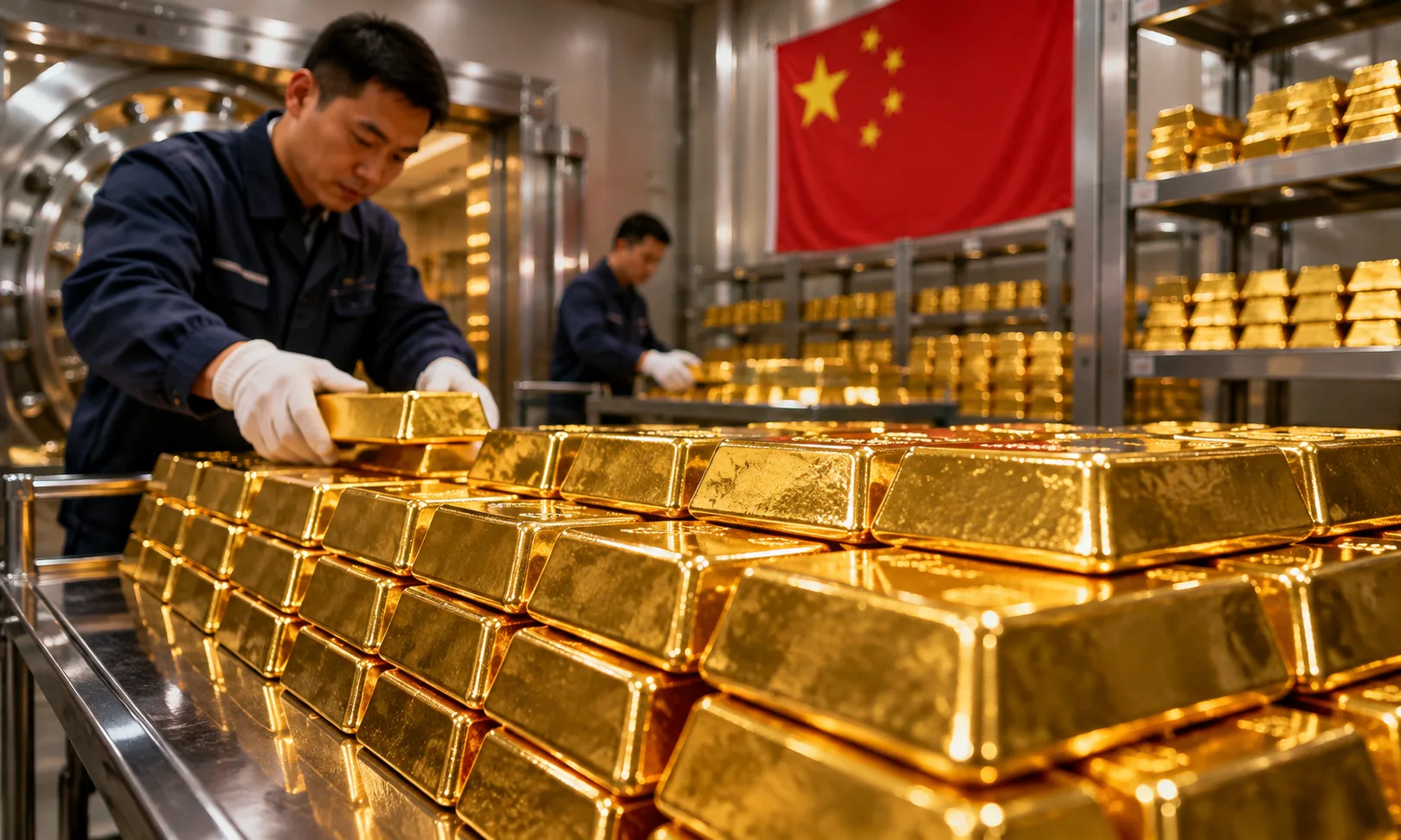
While TikTok dominates headlines, critical minerals may have a bigger long-term market impact. China currently produces around 31% of the world’s critical minerals, including rare earths essential for electric vehicles, wind turbines, and defense applications. The U.S. produces less than 2% and is heavily dependent on Chinese imports for graphite, antimony, and other strategic materials.
If the Trump–Xi call produces even a modest relaxation of export controls, the benefits could ripple through industries from EVs to semiconductors. Input costs could fall, production timelines could stabilize, and investor confidence could improve. Conversely, if the call goes badly and restrictions tighten, these same industries could face supply shortages and margin pressure.
Investors should identify companies with diversified supply chains and secure domestic or allied-nation sources of critical materials. Those firms are likely to command a valuation premium in an environment of persistent geopolitical risk.
Technology Licensing as a New Model
Another potentially far-reaching outcome of the TikTok deal is its licensing structure. If a U.S. company can license Chinese technology while retaining control of data and customer relationships, it may open the door to similar arrangements in other sectors.
Analysts point to the possibility of reviving the licensing deal Ford had with battery maker CATL, which was put on hold due to national security concerns. However, they caution it is unlikely Chinese EV giant BYD will gain access to the U.S. market soon because it poses a direct threat to domestic automakers.
If the Trump administration moves toward this model allowing China to invest in the U.S. under strict ownership and licensing rules it could build on de-escalating tensions. For investors, that means new opportunities in joint ventures, licensing agreements, and cross-border partnerships that previously seemed impossible.
Policy Watchpoints: What to Track Next
To navigate these developments, investors should monitor:
- Official Readouts: Pay attention to how both governments describe the call. Differences in language can signal future disputes.
- Deadlines and Extensions: The TikTok divestiture deadline has already been extended several times. New extensions or sudden enforcement could swing valuations.
- Legislative Pushback: Congress may challenge any deal seen as conceding too much to China. Regulatory and legal hurdles could delay or reshape agreements.
- China’s Approvals: Under Chinese law, exporting certain technologies—including recommendation algorithms—requires government sign-off. Beijing’s willingness to grant licenses will determine if deals proceed smoothly.
Practical Steps for Investors
- Audit China Exposure: Identify portfolio holdings reliant on Chinese supply chains or customer bases. Evaluate how tariffs, export controls, or licensing rules could impact margins and growth.
- Diversify Supply Sources: Favor companies with alternative suppliers or domestic production of critical inputs.
- Follow the Leaders: Watch which U.S. firms are positioning to benefit from the TikTok deal structure. Cloud, cybersecurity, and data management providers could see increased demand.
- Be Realistic About Timelines: High-level agreements often take months or years to implement. Price in delays and regulatory risk.
A Potential Turning Point in U.S.–China Economic Relations
The Trump–Xi call may be remembered as more than just a TikTok negotiation. If it sets a precedent for resolving disputes over technology, data, and critical materials, it could reduce policy risk across multiple sectors. That, in turn, could compress risk premiums and support valuations in industries ranging from social media to clean energy to defense.
But the risks are real. Misaligned expectations, legal challenges, or political backlash could derail even the most carefully negotiated deals. Investors should remain nimble, diversify exposure, and watch for concrete actions—not just headlines.
The bottom line: This is a moment of both danger and opportunity. Those who understand the stakes and act accordingly could be rewarded.
Sources
- Reuters: Trump and Xi seek TikTok win to break U.S.–China gridlock
- Reuters: Oracle, Silver Lake consortium to control 80% stake in TikTok U.S.
- AP News: Trump extends TikTok shutdown deadline for fourth time
- CSIS: Consequences of China’s New Rare Earths Export Restrictions
- CFR: The U.S. Critical Minerals Dilemma
About Author