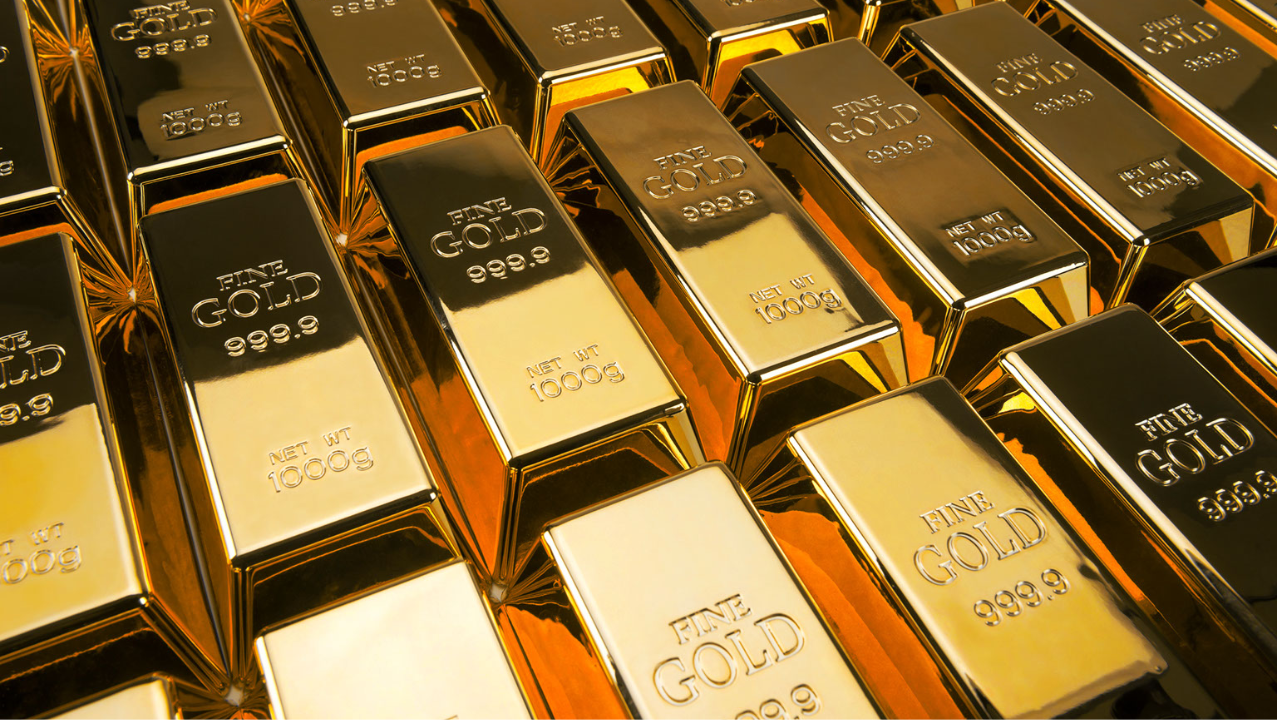
The sharp selloff in gold and silver at the end of last week was not just another volatile trading session. It was a reminder of how quickly crowded trades can unwind when expectations collide with reality.
Gold and silver had surged to extreme levels in a remarkably short period of time. Silver, in particular, had moved in a way that defied almost any fundamental justification. When prices finally snapped back, it exposed how much of the rally was driven by positioning, narrative, and speculation rather than durable economic forces.
The uncomfortable truth for investors is that precious metals are often reacting to several overlapping stories at once. Each story contains some truth, but none fully explains the scale or speed of the move. Understanding those narratives is essential for investors who want exposure to gold and silver without becoming collateral damage when sentiment turns.
Below are three major explanations that have been driving precious metals higher, followed by why the recent crash suggests investors should tread carefully.
1. Gold as an Alternative to the U.S. Dollar
One of the most persistent arguments for gold over the past several years has been its role as an alternative reserve asset.
Countries that fear Western sanctions or financial isolation have gradually shifted portions of their foreign exchange reserves away from the U.S. dollar and into gold. That trend helped underpin long term demand and supported the narrative that gold was becoming a geopolitical hedge rather than just a financial one.
However, recent data complicates that story.
According to the World Gold Council, central bank gold purchases actually slowed last year as prices surged. Higher prices reduced the urgency to buy, at least temporarily. Instead, much of the recent demand has come from private investors, particularly through exchange traded funds.
That distinction matters.
Private investors buying gold at elevated prices are often doing so with the expectation that central banks will resume aggressive buying later at even higher levels. That is a hope, not a certainty. If that expectation fades, the marginal buyer disappears quickly.
There are also market signals that do not align with a full scale flight away from the dollar.
If gold were rising primarily because of dollar weakness, it would typically move in a tighter inverse relationship with the U.S. currency. Instead, gold has often traded independently of the dollar on a day to day basis over the past year. While the dollar has declined overall, the magnitude and volatility of gold’s moves suggest other forces are at work.
Bond markets raise further questions. If global capital were fleeing U.S. assets, Treasury yields should be rising relative to those in other major economies. Instead, U.S. 10 year yields have drifted slightly lower since the start of last year, while yields in Japan, France, Germany, and the United Kingdom have risen, in some cases sharply.
That is not the signature of a mass exodus from dollar based assets.
2. The Debasement Trade and Inflation Fears
Another powerful driver of gold and silver has been fear of renewed inflation and currency debasement.
Investors scarred by the inflation surge of recent years remain sensitive to any sign that governments are leaning toward heavy stimulus, easier monetary policy, or a weaker dollar. Gold benefits mechanically from a declining dollar because it is priced in dollars, and it is often marketed as a store of value during inflationary periods.
In recent weeks, other assets associated with currency safety have also performed well. The Swiss franc strengthened, and the Norwegian krone benefited from its low debt profile and exposure to energy prices.
Then came Friday.
Gold plunged, and silver experienced what can only be described as a crash. The timing was not random. The selloff followed President Trump’s decision to appoint Kevin Warsh as chair of the Federal Reserve.
Markets interpreted the pick as a shift away from aggressive rate cuts. Warsh is widely viewed as more cautious on monetary easing than Kevin Hassett, who was also under consideration. In simple terms, investors saw Warsh as a harder money choice.
Price action reflected that view. Stocks, gold, and silver fell. The dollar strengthened. Long term Treasury yields moved higher. Two year Treasury yields dipped slightly due to the nuance that Warsh has expressed interest in selling portions of the Fed’s Treasury holdings while adopting a more measured stance on interest rates.
The broader implication is clear. A portion of the precious metals rally was tied directly to expectations of looser monetary policy. When those expectations were challenged, prices corrected violently.
That raises a deeper question. If inflation fears were truly widespread and durable, they should have shown up more clearly in bond markets.
They have not.
Long term inflation expectations, measured by five year break even rates starting five years from now, have actually declined this year and remain below levels seen at the start of last year. That is difficult to reconcile with the idea of an imminent inflation resurgence.
Currency markets also undermine the debasement argument. Prior to Japan’s snap election two weeks ago, the Swiss franc moved almost exactly in line with the euro against the dollar. That suggests there was no broad based rush into currencies perceived as inflation proof.
U.S. equities present another inconsistency. A weaker dollar and higher inflation expectations should, in theory, support stocks due to rising nominal revenues and foreign earnings. Yet U.S. stocks have underperformed overseas markets both this year and last year.
That divergence suggests inflation fears alone cannot explain the surge in gold and silver.
3. Global Growth Optimism and Commodity Speculation
A third explanation for the precious metals boom is renewed optimism about global growth.
In many ways, markets have recently behaved like they did in the years leading up to the 2008 financial crisis. From 2001 to 2007, investors favored foreign stocks over U.S. stocks, small companies over large ones, and value stocks over growth. Commodity demand surged as global growth accelerated, and copper prices soared.
Gold thrived during that period as well, rising from $273 an ounce in early 2001 to $634 by the start of 2007.
Some of those patterns resurfaced late last year and into early this year. Investors began to rotate away from large technology companies as concerns grew over artificial intelligence spending and profitability. Small cap stocks surged relative to mega caps. Copper rallied sharply, driven in part by data center construction and infrastructure demand.
Gold jumped 21.8 percent in the first 21 trading days of the year, the strongest start over that time frame since 1999. Silver rose even more dramatically, fueled by aggressive private buying and speculative momentum.
Recent global developments helped support this narrative. Japan has promised tax cuts. Germany has announced major increases in military spending. There are renewed hopes for some form of stimulus in China. Markets have also priced in the possibility of reduced geopolitical risk if progress is made toward peace in Ukraine.
Yet even this story falls apart under scrutiny.
If global growth optimism were the primary driver, currency movements would likely reflect differences in stimulus and economic momentum. Instead, the dollar fell by similar amounts against the yen, euro, and pound, despite very different policy backdrops in those regions.
More importantly, global growth does not justify the scale of silver’s move. A tripling in silver prices over twelve months goes far beyond what industrial demand alone can support.
What the Crash Tells Investors
Gold plays a role in all three narratives. It can serve as a hedge against currency risk, inflation, and geopolitical uncertainty. That does not mean it is immune to speculative excess.
Silver, even more so, is prone to exaggerated moves because it is a smaller and less liquid market. When momentum takes over, prices can disconnect rapidly from fundamentals in both directions.
The recent collapse in precious metals suggests the rally became crowded. Too many investors were chasing the same stories at the same time, often with leverage. When one pillar of the narrative weakened, prices fell hard.
This does not mean gold has no place in a portfolio. It does mean that timing and position sizing matter more than slogans.
Investors who chased precious metals late in the rally learned a painful lesson. Markets can remain irrational longer than expected, but they rarely do so forever.
There is often a solid core of truth beneath extreme price swings. Gold may still benefit from long term geopolitical shifts, fiscal pressures, and uncertainty. But when price moves far beyond that core, risk rises dramatically.
Friday’s plunge was a reminder that even safe haven assets are not safe from speculation. For investors, the real danger is not owning gold or silver. It is buying into a story after the market has already priced it to perfection.
About Author