Will Banks Face Fines for Political Bias? The White House’s Bold New Order Explained
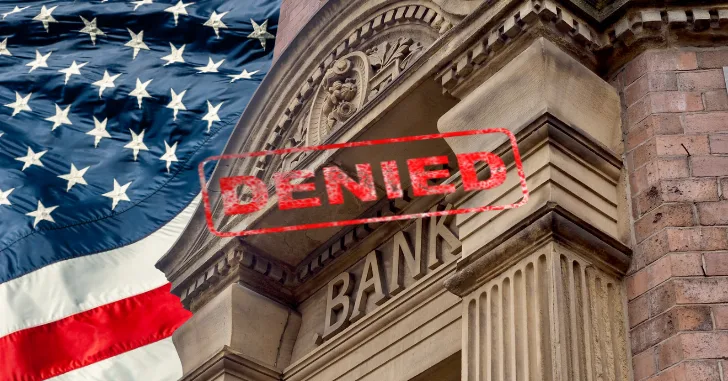
A new executive order from President Trump aims to crack down on politically motivated “debanking” by major U.S. financial institutions. This sweeping action directs federal regulators to investigate and potentially fine banks that deny service or close accounts based on political affiliation, beliefs, or ideology.
Framed as a defense of civil liberties and economic freedom, the order has ignited a firestorm of debate among investors, banking executives, free speech advocates, and political strategists. As Trump publicly accuses JPMorgan Chase and Bank of America of “debanking” him personally, the implications could ripple across the financial world.
What the Executive Order Does
President Trump’s order, expected to be formally released within days, tasks agencies including the Office of the Comptroller of the Currency (OCC), the Federal Reserve, and the Consumer Financial Protection Bureau (CFPB) with investigating politically biased financial behavior.
Key provisions include:
Investigating banks for account closures or service denials based on political or religious beliefs
Imposing civil penalties, consent decrees, or corrective actions
Mandating greater transparency in account termination decisions
Evaluating whether existing anti-discrimination laws like the Equal Credit Opportunity Act can be applied to ideological bias
According to a Reuters report, the White House is focused on reining in what it views as “discriminatory banking practices” that disproportionately affect conservatives and politically aligned organizations. (Reuters)
Trump’s Accusations Against Big Banks
In a CNBC interview, President Trump dropped a bombshell, claiming that JPMorgan Chase ordered him to move “hundreds of millions” from his accounts within 20 days and that Bank of America denied a proposed deposit of over $1 billion.
“They don’t want me to be a customer,” Trump said. “I’ve had these banks for years. Suddenly, they want me gone.” — CNBC Interview, August 5, 2025
While the banks have not confirmed these specific allegations, the claims align with broader conservative grievances that financial institutions are quietly penalizing political dissent.
The Rise of “Debanking” Accusations
Trump’s move comes amid a growing narrative that certain individuals, nonprofits, and companies—particularly those tied to conservative causes or cryptocurrency—are being “debanked” without explanation.
Examples include:
Nigel Farage, the UK Brexit leader, who had his accounts closed by Coutts bank for political reasons in 2023.
Christian crowdfunding platforms dropped by payment processors over anti-abortion campaigns.
Crypto companies allegedly dropped by U.S. banks due to regulatory pressure during the Biden administration.
In the U.S., groups like Moms for Liberty and Gun Owners of America have reported unexplained account terminations, sparking claims that “reputational risk” metrics used by banks are a cover for ideological discrimination.
Why This Matters — The Core Debate
Free Speech & Civil Liberties Advocates Say:
Denying access to financial services based on political affiliation is economic censorship.
Banks are utilities in the modern economy—cutting someone off financially is tantamount to silencing them.
The federal government must ensure neutrality in essential services.
“No American should fear losing their bank account for supporting the Constitution, going to church, or voting Republican,” Trump said. — Yahoo Finance
Banking Industry Leaders Say:
Banks use objective compliance and risk standards, not ideology.
The new order threatens their autonomy and exposes them to frivolous litigation.
Enforcing this could force banks to retain clients that violate ESG, AML, or reputational risk protocols.
“We do not close accounts for political reasons,” said a JPMorgan spokesperson. — CBS News
The American Bankers Association added that imposing political standards on financial risk assessments could open banks to legal liabilities and reduce their ability to comply with federal regulations.
What It Means for Investors
This order isn’t just political — it has direct consequences for the market.
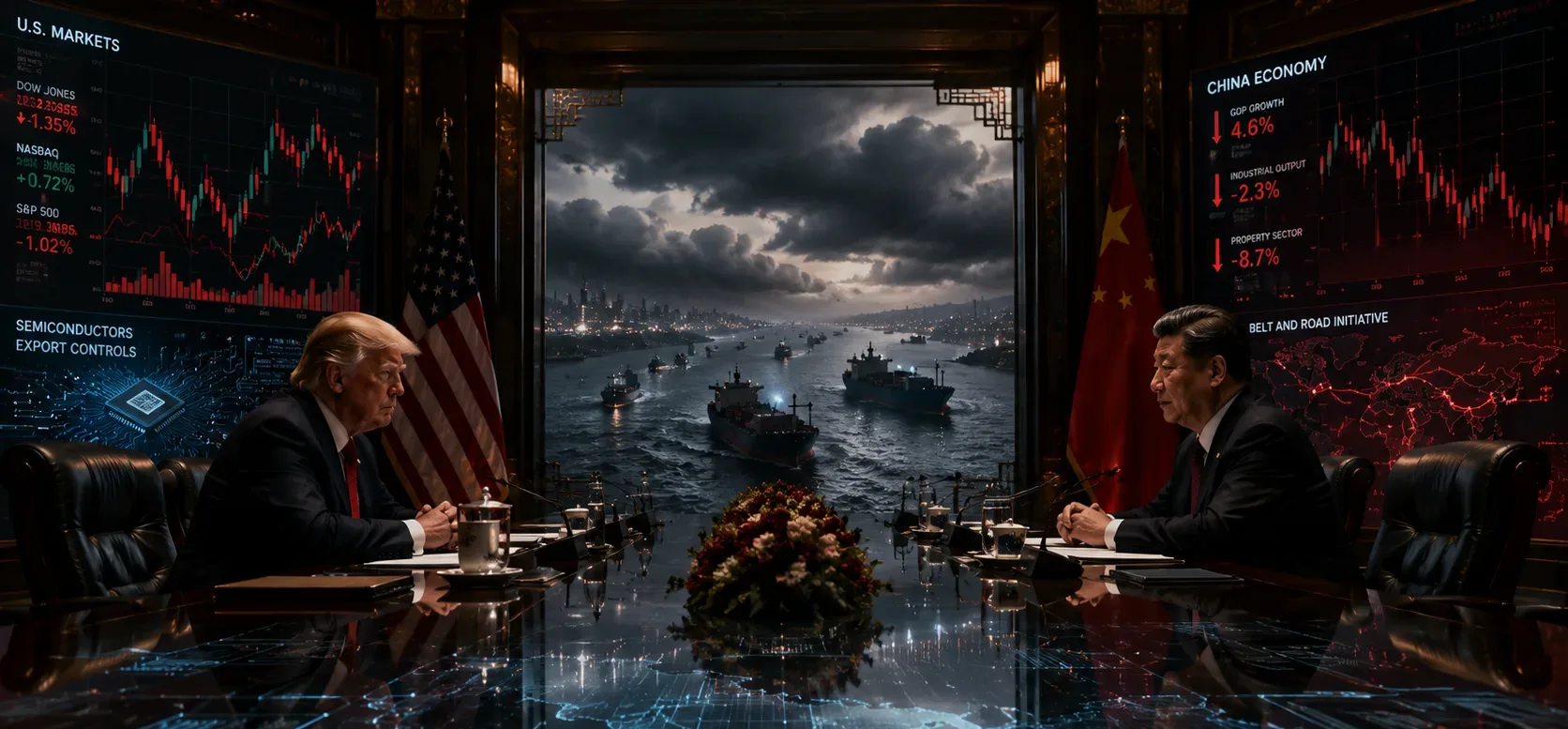
The S&P Financials Index also saw modest declines, reflecting investor uncertainty over the potential regulatory burden and reputational risks.
Long-Term Investor Impact:
Risks:
Increased legal exposure for account closures
Regulatory burdens for internal policy reviews
Rising compliance costs due to transparency mandates
Opportunities:
Growth for fintechs and regional banks that position themselves as politically neutral or free-speech-friendly
Conservative-aligned neobanks (e.g., Old Glory Bank) may see an influx of new customers
Potential regulatory tailwinds for alternative financial institutions
Implications for Consumers and Businesses
For regular Americans, especially small businesses and nonprofits, this order could create new protections.
More transparency if their account is closed or application denied
Formal appeal channels through federal agencies
Increased choice as ideologically aligned banks emerge
But it also raises risks of further financial polarization — consumers may begin to choose banks not based on rates or convenience, but on politics.
This dynamic could fracture the financial landscape and leave consumers navigating “red banks” vs. “blue banks” — an echo of the broader political tribalism gripping the country.
Strategy or Distraction?
Supporters call the order a long-overdue correction. Critics say it’s political theater aimed at riling the base ahead of the 2026 midterms and stoking the war on “woke capital.”
The truth is likely in between. What’s clear is that banking, once thought to be apolitical, is now a cultural battleground — and the implications go far beyond Wall Street.
To provide the best experiences, we use technologies like cookies to store and/or access device information. Consenting to these technologies will allow us to process data such as browsing behavior or unique IDs on this site. Not consenting or withdrawing consent, may adversely affect certain features and functions.
Functional
Always active
The technical storage or access is strictly necessary for the legitimate purpose of enabling the use of a specific service explicitly requested by the subscriber or user, or for the sole purpose of carrying out the transmission of a communication over an electronic communications network.
Preferences
The technical storage or access is necessary for the legitimate purpose of storing preferences that are not requested by the subscriber or user.
Statistics
The technical storage or access that is used exclusively for statistical purposes.The technical storage or access that is used exclusively for anonymous statistical purposes. Without a subpoena, voluntary compliance on the part of your Internet Service Provider, or additional records from a third party, information stored or retrieved for this purpose alone cannot usually be used to identify you.
Marketing
The technical storage or access is required to create user profiles to send advertising, or to track the user on a website or across several websites for similar marketing purposes.