Sticker shock at the supermarket is back, and this time shoppers are not just frustrated. They are changing how they buy, cook, and plan their meals.
Kelvin Lin, a 33-year-old software engineer in New York City, recently walked into his local grocery store expecting a splurge, not a shock. The rib-eye steak he typically buys had jumped to $32.99 a pound. Two weeks earlier, it was several dollars cheaper. He complained to the butcher but bought it anyway. “It feels terrible,” he said.
He is not alone.
Across the country, consumers are adjusting in real time to price increases on everyday foods including coffee, cereal, beef, yogurt, and bananas. Some are cutting back on premium items. Others are swapping proteins, stockpiling when they can, or abandoning their usual stores in favor of cheaper options.
The Grocery Squeeze Is Back
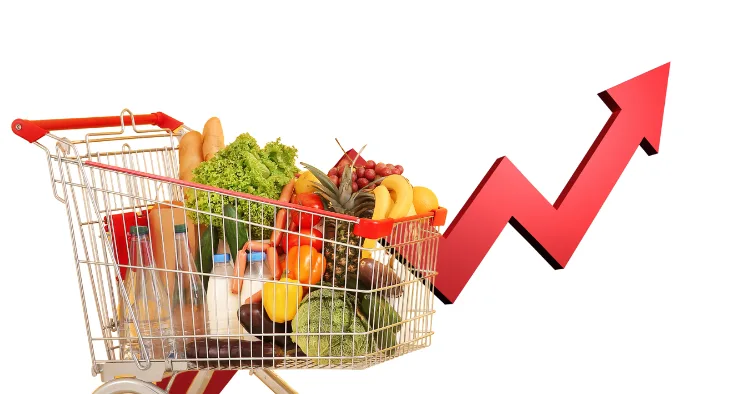
Even though inflation has cooled in other parts of the economy, food prices have not followed the same trend. Recent inflation data shows grocery costs rising again after months of relief. Over the 12 months ending in August:
| Item | Data Point | Source |
|---|---|---|
| Coffee (ground roast) average price ~ $8.87 per pound in August 2025 | “The average cost of ground roast coffee per pound in August was $8.87” WXII | U.S. Bureau of Labor Statistics via local news. |
| Coffee CPI increase ~ 20.9% year-on-year | “the bureau’s … CPI … showed … the whole retail packaged coffee category to 20.9%” Daily Coffee News by Roast Magazine | DailyCoffeeNews quoting BLS data. |
| Ground beef average retail price ~ $6.318 per pound in August 2025 | “Aug 2025: 6.318” for “Average Price: Ground Beef, 100% Beef … U.S. City Average” FRED | FRED (from BLS). |
| Ground beef year-on-year increase ~ ~12.8% (approximate) | While the exact 12.8% figure isn’t in the sources I found, the Guardian reports “a 13% increase in the past year” for ground beef to $6.32 in August The Guardian | The Guardian. |
| Beef & veal / “steaks” category increase | Table shows “All Uncooked Beef Steaks … per lb … ↑12.4% (Aug 2024 → Aug 2025)” in the historical table Bureau of Labor Statistics | BLS historical retail food data. |
| Food at-home inflation ~ 2.7% annual in August | “Food-at-home prices rose in August at a 2.7% annual clip” Grocery Dive | GroceryDive summary of CPI. |
Shoppers Are Downsizing, Substituting, and Getting Strategic
Grocery executives are confirming what shoppers are feeling.
Albertsons CEO Susan Morris said customers are sticking to essentials, looking for sales, and minimizing impulse buys. “We see them sticking closer to their shopping list, maybe not buying that extra item, that extra bottle of whatever,” she said. More shoppers are using coupons, choosing smaller packages, or switching to private-label brands.
Brendan Foley, CEO of McCormick, said customers are spreading their trips across more stores and buying fewer items at a time. He noted that people are still cooking at home more often and shopping the perimeter for fresh foods to reduce overall meal costs.
Flat Incomes and Higher Prices Mean Smaller Carts
For more than two years, grocery prices have climbed faster than household budgets. That means people are not spending more. They are buying less.
Dirk Van de Put, CEO of Mondelez International, said shoppers have resisted expanding their overall budgets. “They have no inclination to increase their spending,” he said. “They’re unsure about what’s going to happen, when those tariff effects really are going to hit them.”
Stories From the Checkout Line
For many consumers, grocery shopping now feels like a tactical operation.
Steve Smith, 65, from Colorado, swapped salmon for shrimp and rib-eye for burger meat. He cooks more salads and uses high-protein grains such as quinoa. “I’m a miser right now when it comes to what I’m spending at supermarkets,” he said. “You get creative with what you’re cooking.”
Christina Duong, a nurse practitioner in Orange County, California, said she is alarmed by the prices of ground beef, eggs, and seafood. She shops at Korean grocery stores and ethnic markets to find cheaper options. “The only thing that’s inflation-proof is that darn Costco chicken,” she said, referring to the $4.99 rotisserie that has not changed price since 2009.
Mario Bedolla, who has worked at North Pulaski Fresh Market in Chicago for 40 years, said prices at his store are up about 20% this year. Customers do not hide their frustration. “They’ll come in and say, ‘What the f—,’” he said. “It happens all the time.”
Yet even frustrated shoppers keep returning. As Bedolla put it, “When it comes to eating, what choice do you have? So they’re still going to pay the price.”
Why Prices Keep Rising
Several forces are contributing to rising grocery costs:
- Commodity prices, especially for beef and dairy
- Tariffs and trade policies affecting bananas, shrimp, olive oil, and other imports
- Higher labor and transportation costs across supply chains
- Weather events impacting crops and livestock
- Strong demand for at-home meals
Some companies are absorbing the increases, while others are passing them along through higher prices or smaller packaging.
How Shoppers Are Adapting
Across income levels, consumers are changing habits rather than expanding their budgets. The most common strategies include:
✅ Buying cheaper cuts of meat or switching proteins
✅ Shopping across multiple stores to find deals
✅ Stockpiling shelf-stable items when prices drop
✅ Cooking more meals at home
✅ Using loyalty programs and rewards apps
✅ Choosing store brands instead of name brands
✅ Avoiding impulse purchases
✅ Watching unit prices closely
✅ Splitting bulk purchases with friends or family
Even hunting is back in the conversation. Steve Smith said high beef prices have him considering taking his rifle out for deer or elk for the first time in decades.
The Bottom Line
Consumers are not just complaining. They are adapting. The days of casual grocery shopping are over for many households, even those that consider themselves financially comfortable. Shoppers are stretching meals, swapping favorites, and relearning how to budget inside the store.
People may grumble at the checkout, but as Bedolla in Chicago said, “When it comes to eating, what choice do you have?”
About Author