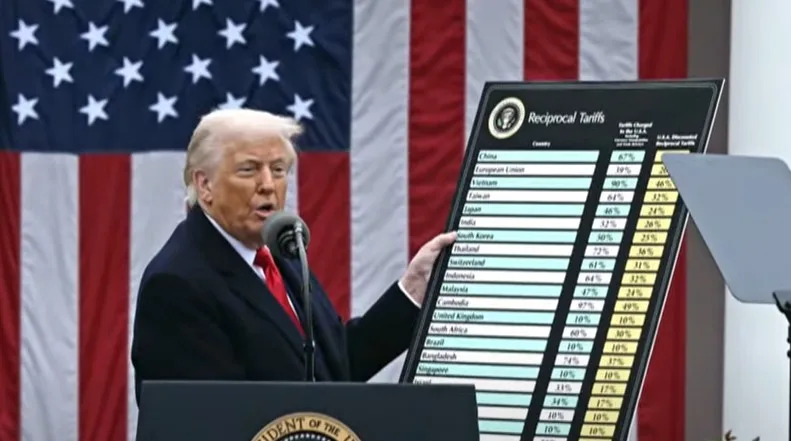
The White House unveiled a set of new trade agreements with four South and Central American countries that will reduce tariffs on specific imports the United States does not produce in sufficient quantity. While the bulk of reciprocal rates remain intact, the administration confirmed that targeted goods such as coffee, bananas, cocoa and some beef products will see lower tariffs.
The new arrangements involve Ecuador, Guatemala, El Salvador and Argentina. The administration framed the deals as part of a broader effort to keep consumer prices stable while still protecting U.S. agriculture and manufacturing.
Key Changes in the New Agreements
U.S. Trade Representative Jamieson Greer told Fox News that Washington will lower tariffs on certain imported foods the United States does not produce enough of domestically. He also said similar tariff reductions could be applied in future agreements with additional trading partners.
In a fact sheet, the White House said, “Today’s announcement shows that America can defend its domestic production while obtaining expansive market access with our trading partners.”
Under the new agreements:
• Coffee, bananas and cocoa will be eligible for lower tariffs because these products cannot be grown in large enough quantities in the United States.
• Most imports will still not qualify for reduced treatment. Argentina, Guatemala and El Salvador will continue to face a 10 percent tariff on the majority of their exports, while Ecuador will be subject to a 15 percent tariff.
• Argentina will receive limited relief on tariffs for certain beef products, but the United States is not increasing its overall import quota.
Congressional Pushback Over Argentine Beef
The Trump administration faced bipartisan concerns over the possibility of expanded beef imports from Argentina. Fourteen Republican lawmakers sent a letter to Agriculture Secretary Brooke Rollins and Trade Representative Greer warning about domestic risks.
They wrote, “While we share the Administration’s goal of lowering costs for consumers, we are concerned that granting additional market access to Argentina already one of our largest beef suppliers will undermine American cattle producers, weaken our position in ongoing trade negotiations, and reintroduce avoidable animal health risks.”
The letter was signed by several influential House Republicans, including Ways and Means Chairman Jason Smith. They argued that the United States should prioritize domestic investment to support cattle producers rather than rely on imported beef.
Despite the criticism, the final framework reflects a compromise: Argentina receives a targeted tariff reduction, but the import cap remains unchanged to protect U.S. ranchers.
What Each Country Committed To
The White House pointed to a series of concessions and commitments made by partner nations that could benefit American exporters and consumers.
El Salvador agreed to streamline regulatory processes and reduce non tariff barriers, potentially making it easier for U.S. goods to enter the market.
Argentina committed to offering “preferential market access” to American pharmaceuticals, chemicals, technology products and other U.S. exports.
Guatemala pledged not to impose digital services taxes or other policies that would discriminate against U.S. digital companies or U.S. made digital products.
Ecuador, which faces the highest tariff rate in the group, promised to enhance environmental protection standards, including improvements to forest management and stronger action to curb illegal logging.
Why This Matters for Consumers and Investors
For everyday Americans, the biggest impact will come from lower prices on products that the United States does not produce at scale. Coffee, bananas and cocoa are among the most imported foods in the country, and tariff reductions could help offset rising grocery costs.
For investors, the deals signal several trends worth tracking:
1. The administration is using selective tariff relief as a tool to manage food inflation.
This shows a willingness to adjust tariffs strategically rather than maintaining a blanket approach.
2. Digital trade protections are becoming central to U.S. negotiations.
Guatemala’s pledge underscores how Washington is positioning itself to defend U.S. tech companies as digital commerce becomes a bigger share of exports.
3. Agriculture and commodity markets could see short term volatility.
Any shift in beef import policy tends to affect cattle futures, meatpacking margins and input costs for food companies.
4. Countries receiving tariff reductions may offer new opportunities for U.S. firms.
Argentina’s commitments on pharmaceuticals, chemicals and technology suggest openings for U.S. exporters seeking to expand into South America.
5. Environmental standards are now a bargaining chip.
Ecuador’s agreement reflects growing pressure on developing nations to meet environmental benchmarks as part of trade access.
The Bottom Line
The new trade deals represent a targeted recalibration of U.S. tariff policy. By lowering tariffs on goods the United States struggles to produce, the administration aims to relieve cost pressures without undermining domestic producers in sensitive sectors like beef and agriculture.
About Author