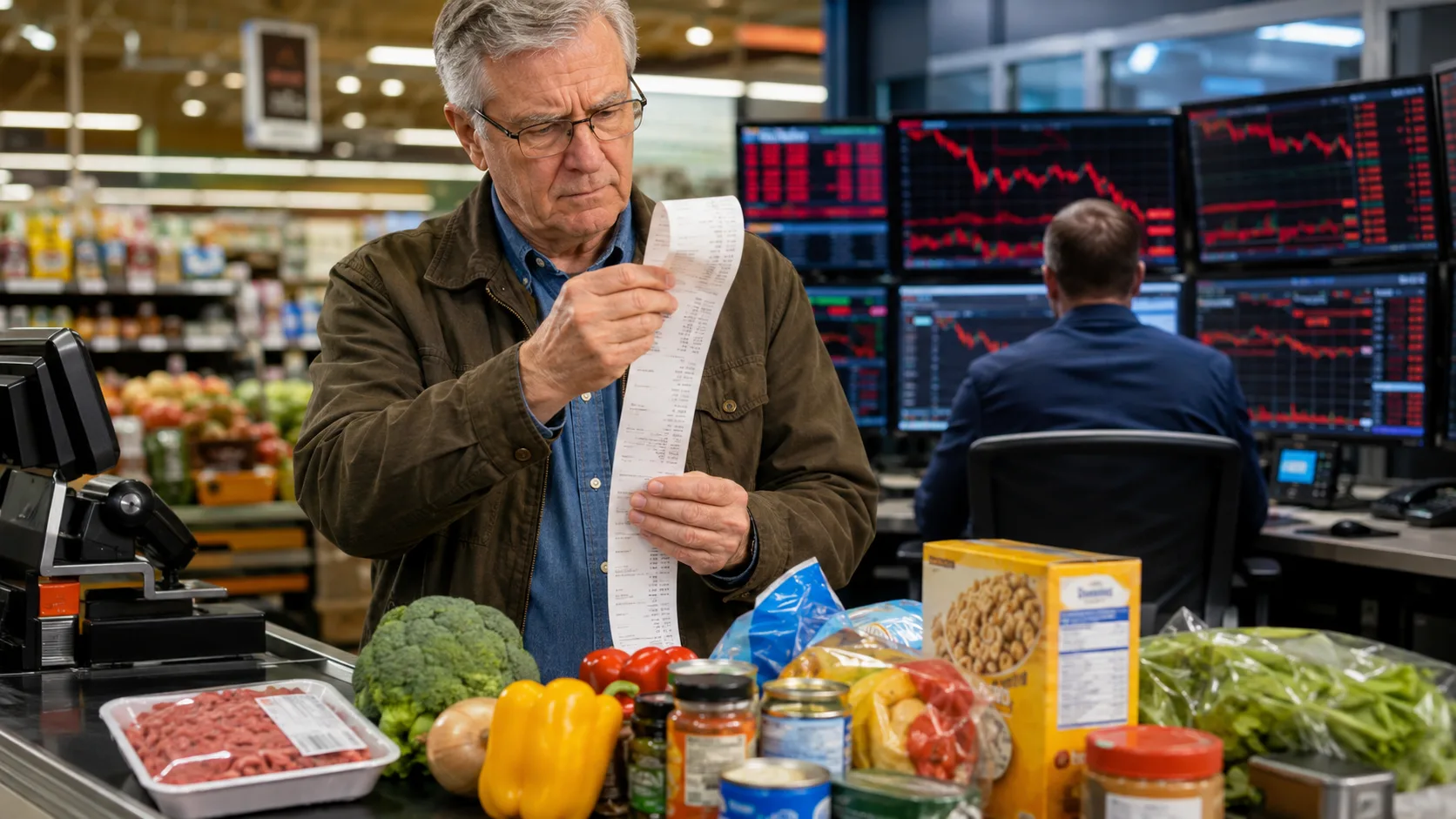
The city of San Francisco has launched a sweeping legal challenge against some of the largest food and beverage manufacturers in the world, accusing them of knowingly contributing to chronic disease through the widespread sale and marketing of ultra-processed foods. The lawsuit targets ten major companies and could become a model for similar legal actions nationwide.
City Attorney David Chiu filed the complaint in San Francisco Superior Court this week, alleging that the companies deliberately engineered and promoted products they knew were harmful to public health.
“They took food and made it unrecognizable and harmful to the human body,” Chiu said in a news release. “These companies engineered a public health crisis, they profited handsomely, and now they need to take responsibility for the harm they have caused.”
Companies Named in the Lawsuit
The defendants include some of the most recognizable global brands in the food industry: Kraft Heinz, Coca-Cola, PepsiCo, Post Holdings, Mondelez International, General Mills, Nestle USA, Kellogg, Mars Incorporated, and ConAgra Brands.
Together, these companies control a significant share of the American food supply, especially in the ultra-processed category that includes packaged snacks, sugary beverages, frozen meals, and shelf-stable products.
Allegations Mirror Tobacco Industry Tactics
The lawsuit argues that food manufacturers adopted playbooks similar to those once used by the tobacco industry. According to the filing, companies allegedly engineered products to maximize craving and habitual consumption through precise combinations of sugar, salt, fat, and chemical additives. The city claims these practices violated California laws governing public nuisance and deceptive marketing.
San Francisco argues that the rise of ultra-processed foods directly parallels increases in obesity, Type 2 diabetes, heart disease, fatty liver disease, and certain cancers. The city further contends that these health impacts are not evenly distributed and disproportionately affect lower-income and minority communities.
Chiu’s office cited local public health data showing that heart disease and diabetes rank among the leading causes of death in San Francisco, reinforcing the argument that ultra-processed foods represent a systemic health risk rather than an isolated consumer issue.
Industry Pushback on Food Definitions
The lawsuit immediately drew opposition from the packaged food industry. Consumer Brands Association, which represents many of the companies named in the case, rejected the premise of the complaint.
Sarah Gallo, senior vice president of product policy for the group, said in a statement obtained by Fox Business that there “is currently no agreed upon scientific definition of ultraprocessed foods and attempting to classify foods as unhealthy simply because they are processed, or demonizing food by ignoring its full nutrient content, misleads consumers and exacerbates health disparities.”
Industry groups also argue that consumers value affordability, shelf life, and convenience, particularly in lower-income households where food insecurity remains a serious concern.
Scientific Research Cited in the Case
San Francisco’s lawsuit relies heavily on a growing body of scientific research linking ultra-processed foods to long-term disease risk. The filing references multiple peer-reviewed studies connecting these products to metabolic disorders, cardiovascular disease, and colorectal cancer.
“Mounting research now links these products to serious diseases — including Type 2 diabetes, fatty liver disease, heart disease, colorectal cancer, and even depression at younger ages,” said University of California, San Francisco professor Kim Newell-Green in the city’s news release.
Further support for the city’s argument recently came from federal health officials. A May report from U.S. Health Secretary Robert F. Kennedy Jr. stated that the Trump administration has identified ultra-processed foods as a major driver of chronic illness in American children.
In August, the Centers for Disease Control and Prevention reported that most Americans now receive more than half of their daily calories from ultra-processed foods. Common sources include hamburgers and sandwiches, sweet bakery products, savory snacks, pizza, and sugar-sweetened beverages.
First of Its Kind Municipal Legal Action
San Francisco’s legal action is the first known municipal lawsuit in the United States to formally accuse food companies of knowingly marketing addictive and harmful ultra-processed foods. Public health advocates believe the case could set a precedent similar to early tobacco litigation that later reshaped the cigarette industry.
The city is seeking financial restitution to help offset rising healthcare costs tied to chronic disease, along with civil penalties. It is also asking the court to order companies to halt deceptive marketing practices and modify how these products are formulated and advertised.
What This Could Mean for Investors
From an investor standpoint, the lawsuit introduces new regulatory and legal risk for the broader packaged food and beverage sector. If the case advances or similar lawsuits emerge in other cities or states, companies could face rising litigation costs, potential settlements, increased labeling requirements, and tighter restrictions on advertising.
Large food manufacturers have historically relied on ultra-processed products for high margins and stable cash flows. Any forced reformulation or reduction in marketing flexibility could pressure profitability. At the same time, the lawsuit may accelerate investment flows into healthier food alternatives, organic brands, and functional nutrition companies.
Wall Street will closely watch whether this case gains traction in court or gets dismissed early. Either outcome will influence how investors assess long-term regulatory exposure for consumer packaged goods stocks.
A Legal Battle With National Implications
San Francisco’s lawsuit marks a sharp escalation in how local governments are attempting to tackle chronic disease through the court system rather than through public health campaigns alone. If successful, it could alter how food manufacturers operate, market products, and manage risk across the United States.
For now, the companies named in the lawsuit have signaled they intend to vigorously contest the claims. The outcome will likely take years to resolve, but the implications for public health policy, consumer behavior, and investor confidence could be far-reaching.
About Author