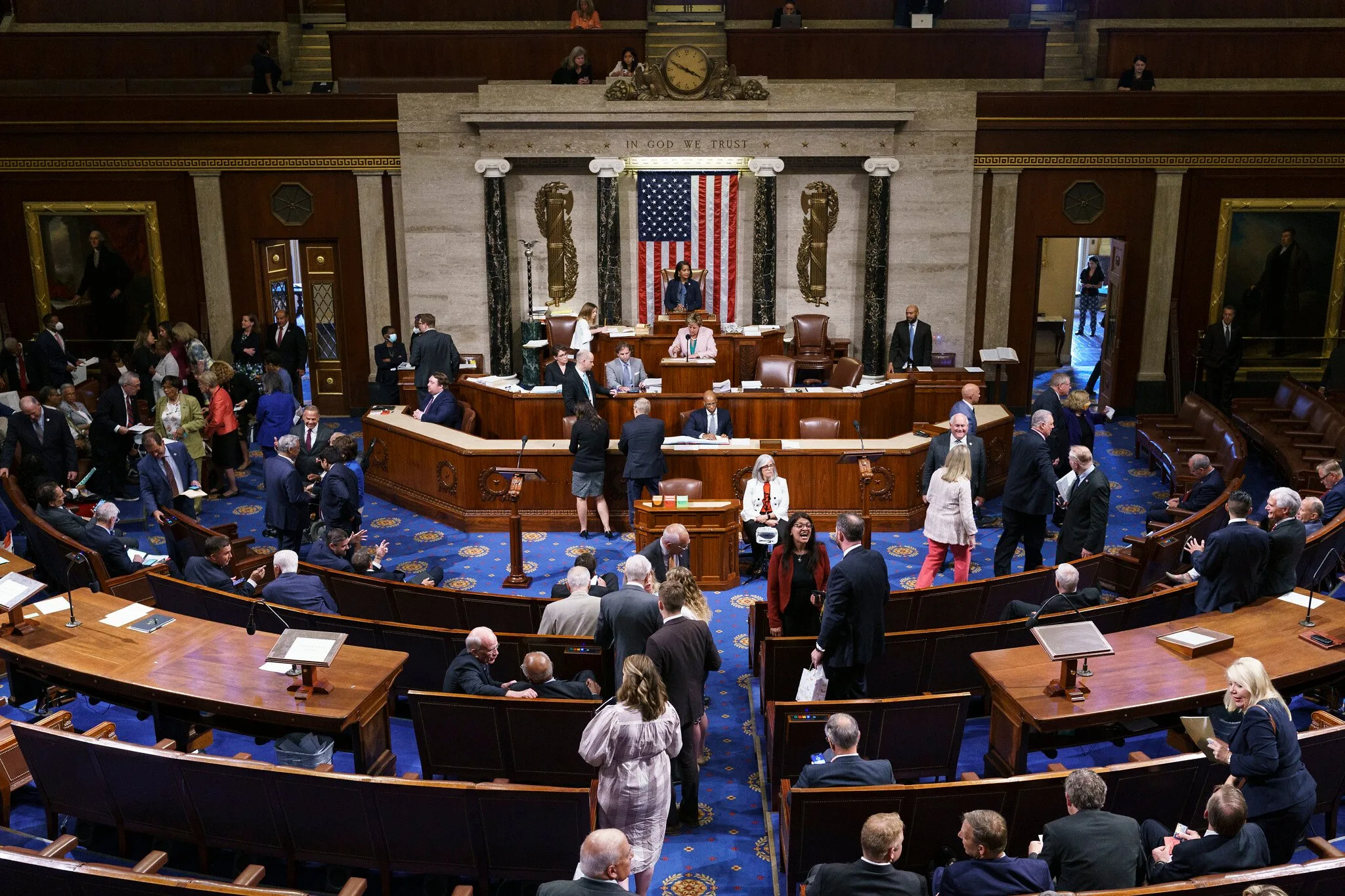
A rare internal revolt is taking shape inside the House Republican conference as a small group of moderates moves to force a vote on extending key Affordable Care Act insurance subsidies that are set to expire at the end of December.
The clash puts House Speaker Mike Johnson under pressure from both sides of the aisle, with Democrats pushing aggressively to preserve the credits and GOP leadership warning that bypassing the normal legislative process could fracture party unity.
At stake are enhanced ACA premium tax credits that have helped millions of Americans afford health insurance since their expansion under pandemic era legislation. If the subsidies expire, premiums are expected to rise sharply for middle income households, particularly older Americans and early retirees who rely on marketplace plans.
A Rare Use of a Discharge Petition
The dispute centers on a Democratic backed discharge petition that would force a House vote on extending the ACA subsidies for three years. Discharge petitions are an uncommon procedural move that allows rank and file lawmakers to bypass leadership if enough members sign on.
Under House rules, a simple majority of 218 signatures is required to force a floor vote. Because Democrats control 213 seats, just four Republicans would need to defect from leadership to trigger the vote.
That threshold is now close to being met.
Rep. Brian Fitzpatrick of Pennsylvania became the first Republican to sign the petition on Wednesday morning. He was soon joined by three other GOP lawmakers, leaving the effort just three signatures short of success.
The move represents a direct challenge to Speaker Johnson, who has urged Republicans not to cooperate with Democrats on extending the subsidies.
Johnson Pushes Back on Process and Timing
Speaker Johnson addressed the brewing rebellion during an appearance on CNBC’s Squawk Box, framing the issue as a procedural dispute rather than a disagreement over healthcare affordability.
“doing an end-run around the majority party, the Speaker or the regular process is not the best way to make law.”
The comments came one day after Johnson blocked moderate Republicans from bringing an extension vote to the House floor through normal channels.
Instead, GOP leadership is advancing a separate healthcare package that would offer cost sharing assistance for consumers but would not extend the enhanced ACA tax credits. That bill is scheduled for a House vote this week.
Johnson has argued that Republicans can revisit broader healthcare reforms early next year, potentially through a reconciliation bill that would not require Democratic support in the Senate.
“We’re looking at another reconciliation package for example, in the first quarter of next year, which will have a number of other revisions and reforms to the system, and all of it is geared, again, for reducing premiums, increasing access to care and quality of care,” Johnson said.
Why the ACA Subsidies Matter
The enhanced ACA subsidies significantly expanded eligibility for premium assistance and reduced costs for millions of enrollees. Unlike earlier versions of the ACA, the current structure removed the income cliff that previously cut off aid at 400 percent of the federal poverty level.
As a result, many middle class families and older Americans saw premiums fall dramatically over the past several years.
Policy analysts warn that allowing the credits to expire would result in immediate premium increases in 2026, with some households facing annual cost hikes in the thousands of dollars. Enrollment could also drop as healthier individuals exit the marketplaces, potentially destabilizing insurance pools.
For lawmakers in competitive districts, those consequences carry real political risk heading into the next election cycle.
The Political Calculus for Republicans
The Republicans breaking with leadership largely represent swing districts or states with significant ACA enrollment. Supporting the discharge petition allows them to argue they are acting to protect constituents from rising healthcare costs while still opposing broader Democratic healthcare agendas.
At the same time, the move risks retaliation from party leadership, including loss of committee influence or campaign support.
For Speaker Johnson, the situation underscores the difficulty of managing a narrow House majority with deep ideological divisions. Conservative members oppose extending ACA subsidies on principle, viewing them as an expansion of Obamacare. Moderates see expiration as politically and economically dangerous.
What Comes Next
If three more Republicans sign the petition, the House would be forced to vote on the subsidy extension whether leadership approves or not. Passage would still face hurdles in the Senate, but a House vote alone would send a strong signal heading into budget negotiations.
If the effort falls short, enhanced subsidies will expire at year end unless leadership changes course or negotiates a broader deal.
Why This Matters Beyond Healthcare
While this fight centers on health insurance, it reflects a broader dynamic in Washington. Small factions can now wield outsized power in a closely divided Congress, using procedural tools to override leadership strategy.
For voters, it could determine whether health insurance costs rise sharply next year.
For investors, insurers, hospital systems, and healthcare providers are watching closely. ACA enrollment trends directly affect revenue stability for managed care companies and health services firms that depend on marketplace participation.
And politically, the episode highlights growing strains within the Republican Party as it balances conservative priorities against the realities of governing with a thin majority.
About Author