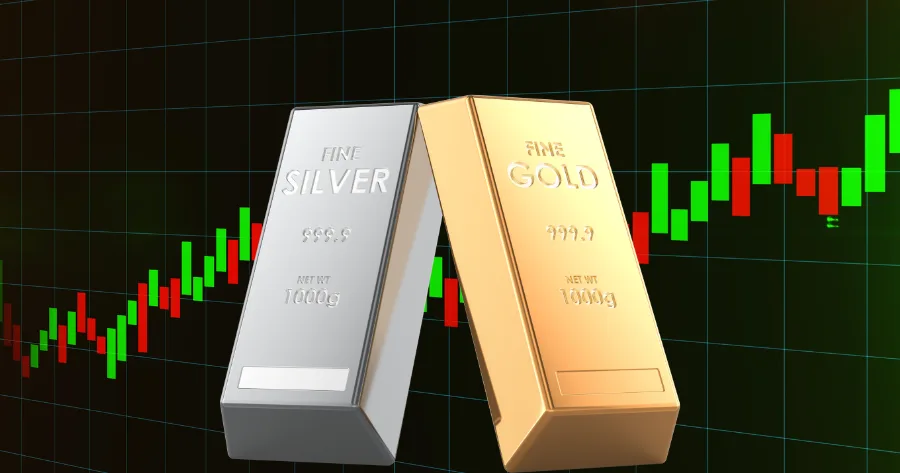
Gold and silver have delivered strong gains this year, fueled by inflation concerns, geopolitical tensions, central bank buying, and renewed retail investor demand. But while the upside potential has captured headlines, the reality is more complicated. The metals have also shown extreme volatility, reminding investors that chasing momentum without a strategy can lead to painful losses.
So how should investors actually approach gold and silver today? The answer is not as simple as buying the rally. Smart portfolio positioning requires understanding risk, structure, tax consequences, and long-term diversification benefits.
The 2026 Precious Metals Rally And Why It Matters
Gold futures have climbed more than 15 percent year to date, while silver has gained roughly 10 percent. The gains, however, have come with sharp swings. On January 30, both metals experienced their most severe single-day drop since 1980, with gold falling 11 percent and silver plunging 31 percent. The move shocked investors and highlighted just how volatile these assets can be.
Retail investors have been especially aggressive in the silver trade, pouring money into funds such as the iShares Silver Trust during both rallies and declines. This surge in speculative buying has amplified price swings and created a high-risk environment.
Despite volatility, several macro forces continue to support precious metals:
- Persistent inflation concerns
- Rising geopolitical uncertainty
- Central bank gold accumulation
- Weakening confidence in fiat currencies
- Interest rate policy uncertainty
These drivers have kept metals firmly on investor radar, particularly for those seeking portfolio protection.
Why Gold Still Works As A Diversifier
Gold has long served as a hedge during times of economic and geopolitical stress. Historical data supports this role. According to research from JPMorgan Private Bank, gold has delivered positive returns during major geopolitical shocks from 1985 through 2024, with an average four-week gain of 1.8 percent and a median return of 3 percent.
During those same periods, stocks and 10-year U.S. Treasuries averaged declines of 1.6 percent with median losses of 1.9 percent.
This low correlation with traditional assets makes gold valuable in a diversified portfolio.
Amy Arnott, portfolio strategist at Morningstar, explains the role clearly:
“Gold itself is a speculative asset, and silver is even more speculative – like gold on steroids with these recent price moves.”
However, she adds that small allocations still make sense:
“I think if you’re looking for diversification, you could still make a case for a small position in gold, given it has such a low correlation with stocks and bonds.”
Arnott suggests roughly a 3 percent allocation to capture diversification benefits without introducing excessive risk.
Why Silver Is A Different Story
Silver often moves with gold but carries much higher volatility. It behaves more like a hybrid between a precious metal and an industrial commodity because of its widespread use in:
- Solar panels
- Electronics
- EV components
- Industrial manufacturing
This dual role causes sharper swings during both economic expansions and contractions.
Arnott notes:
“I don’t think silver is going to improve risk-adjusted returns in the context of a diversified portfolio.”
In other words, silver may offer upside but usually increases volatility rather than stabilizing a portfolio.
The Different Ways To Invest In Precious Metals
Investors have multiple paths to gain exposure to gold and silver, and each carries a different risk profile.
1. Physical Metals ETFs
These funds hold the actual metal in vaults and track spot prices closely.
Pros:
- Direct exposure to metal price
- Lower complexity
- No company-specific risk
Cons:
- Subject to collectibles tax rate
- No income generation
Arnott explains:
“Having exposure to physical gold through the ETF is the most straightforward way to use gold in your portfolio. The advantage of that is the price is going to be directly linked to the price of gold.”
2. Mining Stocks
Mining companies offer leveraged exposure to metal prices but behave like equities.
Pros:
- Potential for higher returns
- Dividend potential
- Earnings growth opportunity
Cons:
- Company risk
- Operational risk
- More volatility than metals themselves
Jay Spector, certified financial planner, explains:
“The miners are a play on the equity and future earnings of those companies.”
Mining stocks often move more dramatically than the metals, both upward and downward.
3. Futures-Based ETFs
These funds track futures contracts rather than physical metal.
Pros:
- Liquidity
- Tactical trading exposure
Cons:
- Contango risk
- Lower long-term tracking accuracy
- Tax and structure complexity
Arnott warns:
“If you have exposure through futures, you can have this contango problem. The futures price could be higher than the spot price, which can have a negative impact on returns.”
Where Precious Metals Fit In A Portfolio
Precious metals should not dominate a portfolio. Instead, they belong as a small strategic allocation.
Spector explains:
“Depending on a client’s overall structure, gold and silver ETFs can live in the alternatives sleeve, the equity sleeve or occasionally as a small speculative allocation.”
The key is balance. Investors chasing rallies often suffer the worst outcomes.
The Tax Reality Most Investors Miss
Many investors overlook the tax implications of precious metals exposure, which can significantly impact returns.
Physical Metal ETFs
If held over one year and sold, gains may be taxed at 28 percent, the collectibles rate. This is higher than the typical long-term capital gains rates of 0 percent, 15 percent, or 20 percent.
Futures-Based Funds
These can be structured as partnerships and issue Schedule K-1 tax forms. This introduces:
- Added tax complexity
- Delayed filing timelines
- Separate reporting of income and losses
These tax considerations should be part of any investment decision involving metals.
The Bigger Macro Picture Driving Metals
Several major developments continue to shape the outlook for gold and silver in 2026:
- Central banks globally are still accumulating gold at near-record levels
- Ongoing geopolitical tensions are boosting safe-haven demand
- Persistent inflation concerns remain unresolved
- Interest rate uncertainty continues to influence real yields
- Weakening global growth outlook increases demand for defensive assets
These macro forces suggest metals may remain relevant even if volatility persists.
The Biggest Mistake Investors Make
The biggest risk is emotional investing. Buying after large gains often leads to losses when volatility returns.
Spector puts it bluntly:
“Investors have to be honest with themselves: Are they following a fad off a cliff, or will they pay attention to what their heart and head say about the overall plan, stick with that and not be fascinated by an up green arrow for six days straight.”
What Smart Investors Should Do Now
If you are considering adding precious metals exposure, focus on strategy rather than hype.
Key takeaways:
- Gold works best as a small diversifier, not a core holding
- Silver is more volatile and better suited for tactical exposure
- Physical metal ETFs offer the simplest structure
- Mining stocks provide leveraged but riskier exposure
- Tax treatment matters and can reduce real returns
- Emotional buying leads to poor long-term outcomes
The metals rally may continue, but disciplined positioning matters more than timing the market.
About Author