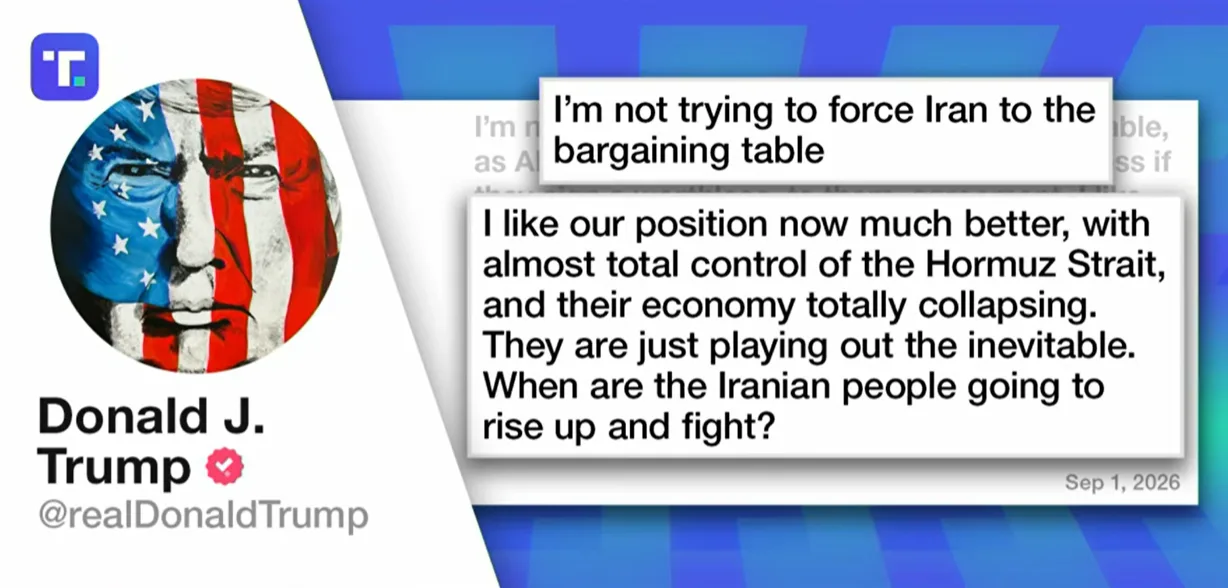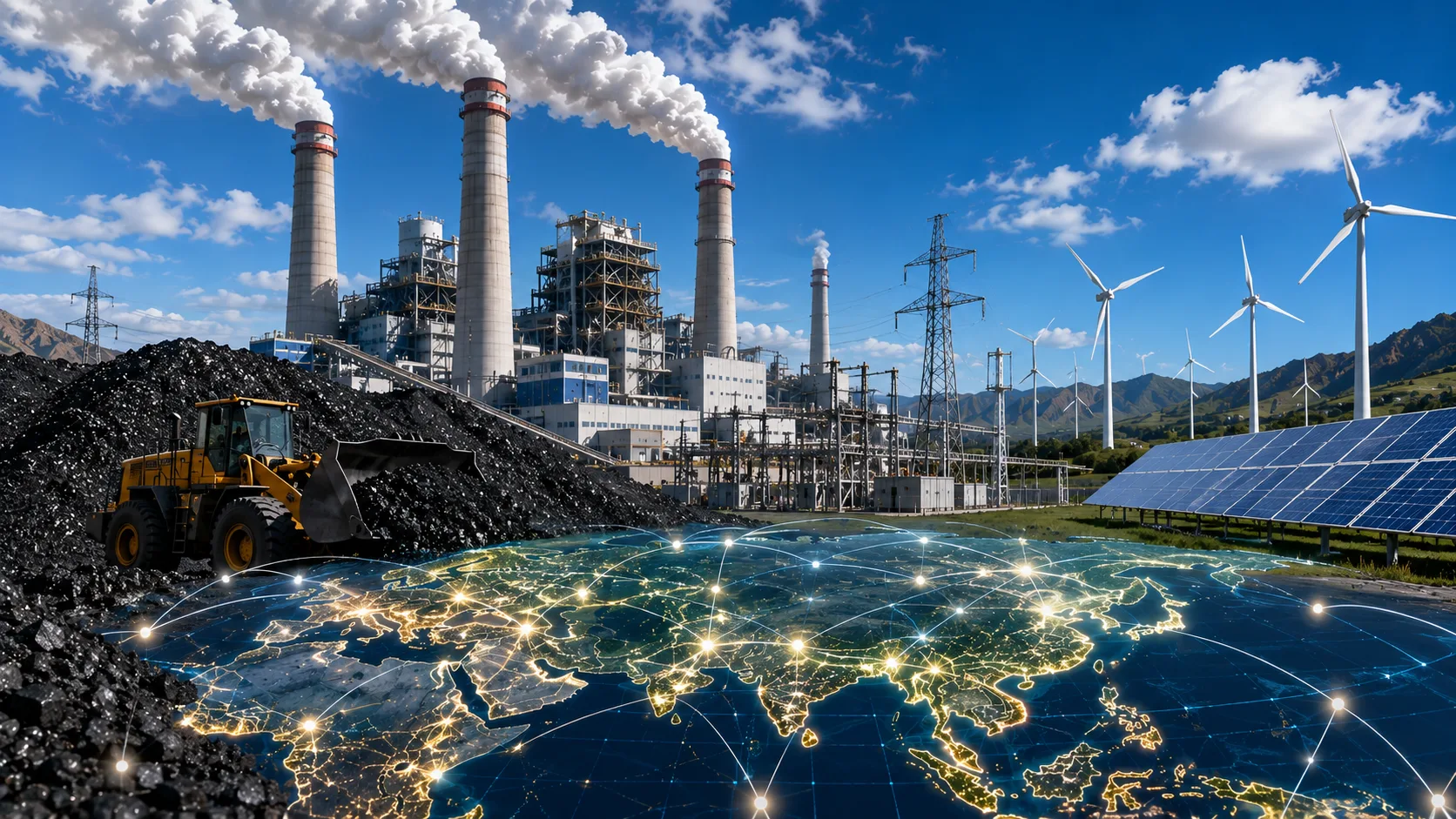
The Middle East conflict is doing more than driving oil higher. It is reviving coal demand across Asia and parts of Europe, delaying climate goals, reshaping global energy markets, and creating a new class of geopolitical winners and losers investors are still underestimating. As liquefied natural gas shipments through the Strait of Hormuz collapse, countries are rediscovering an uncomfortable reality: when energy security is threatened, reliability beats ideology almost every time.
The Energy Shock That Reopened Coal Plants
For years, investors were told the coal story was finished.
Governments pledged net-zero targets. Banks reduced financing exposure. ESG mandates pressured institutional money to exit thermal coal positions. Utilities accelerated plant closures while betting heavily on renewables and imported liquefied natural gas.
Then came the Iran war.
The effective shutdown of the Strait of Hormuz abruptly disrupted roughly 20% of global LNG supply flows, particularly shipments heading into Asia. The result was immediate stress across electricity markets already operating with thin energy buffers.
Taiwan restarted idle coal-fired generators. South Korea sharply increased coal-fired electricity production. India issued emergency directives to maximize imported coal generation ahead of summer cooling demand. Thailand restarted coal units to offset soaring gas costs. Italy openly discussed reactivating standby coal plants if the crisis deepens.
This is not a theoretical policy debate anymore. It is a live demonstration of what happens when energy systems prioritize efficiency over resilience.
Spot coal prices at Australia’s Newcastle export hub have already climbed roughly 12% since the conflict escalated. LNG imports into Asia dropped to levels not seen since the Covid-era collapse in industrial demand. Qatari LNG cargoes largely stopped flowing through the region after the conflict intensified.
The market is relearning something many policymakers tried to ignore: energy transitions only work when backup systems exist.
Coal became that backup system.
Again.
Beneath the Surface, This Is Really About Energy Sovereignty
The mainstream interpretation of this story is too narrow.
Most coverage frames this as a temporary coal rebound caused by geopolitical instability. That explanation misses the deeper shift emerging underneath global markets.
This is actually the first large-scale stress test of the post-Ukraine energy order.
After Russia’s invasion of Ukraine in 2022, governments around the world accelerated efforts to diversify away from pipeline dependence. LNG became the bridge fuel that was supposed to support renewable expansion while maintaining grid stability.
But LNG itself now has a chokepoint problem.
Unlike pipeline systems, LNG relies on maritime security. Massive portions of global LNG trade pass through vulnerable waterways including the Strait of Hormuz. Investors spent years analyzing oil chokepoints while largely assuming LNG markets were safer and more flexible.
That assumption just broke.
Countries now face a painful realization: replacing domestic coal production with imported LNG may have reduced emissions, but it also increased strategic vulnerability.
This matters enormously because governments tend to change priorities fast during crises.
Climate goals are politically important during stable economic periods. Keeping the lights on becomes more important during energy shortages.
That hierarchy is now becoming visible.
The result could reshape capital flows into power generation, mining, infrastructure, utilities, shipping, and industrial commodities for years.
The Green Transition Just Ran Into Its First Major Political Wall
Investors should stop thinking about the global energy transition as a straight line.
It is increasingly becoming cyclical.
Periods of aggressive green investment are now colliding with periods of energy insecurity. Every geopolitical disruption forces governments to temporarily reverse course, restart legacy energy infrastructure, and subsidize reliability over emissions reduction.
That creates a much messier investment environment than most markets expected.
Coal consumption was already proving more resilient than many climate forecasts projected. China and India never fully abandoned coal expansion plans because both countries understood the risks of overdependence on imported energy.
Now other countries are rediscovering that logic.
Taiwan’s situation is particularly revealing. The island aggressively expanded LNG usage while attempting to reduce coal dependence. But with roughly one-third of its LNG historically sourced from Qatar, the Strait of Hormuz disruption immediately created vulnerability.
The response was simple: restart coal.
Fast.
That decision reflects something larger unfolding globally. Governments are beginning to realize that energy redundancy matters more than optimization.
The world may ultimately build renewable-heavy energy systems. But the transition period between today and that future is becoming more volatile, more expensive, and far less politically predictable than markets assumed five years ago.
Why Investors Should Pay Attention to Coal Stocks Again
This does not mean coal becomes a permanent long-term growth industry.
It does mean the market may have dramatically underestimated the duration of coal demand.
That distinction matters.
Many institutional investors priced coal companies as dying businesses with declining terminal value assumptions. Yet several coal producers spent the last few years generating enormous cash flow, aggressively paying down debt, and returning capital to shareholders through buybacks and dividends.
Now demand expectations are shifting again.
Analysts increasingly expect seaborne coal demand to rise this year instead of plateauing. That changes earnings projections for major exporters across Australia, Indonesia, and parts of the United States.
The coal trade also remains structurally constrained because years of ESG pressure reduced investment in new production capacity. Supply growth is limited.
That creates a setup where even moderate demand increases can sharply impact prices.
Thermal coal may become one of the strangest market stories of this decade: an asset class many investors declared dead that continues producing significant cash flow because the world failed to build reliable replacement infrastructure quickly enough.
Investors should especially watch companies tied to:
- Thermal coal exports
- Coal shipping logistics
- Rail infrastructure linked to coal transport
- Industrial equipment suppliers servicing coal facilities
- Utilities with flexible fuel generation capabilities
The biggest beneficiaries may not even be coal miners directly. Infrastructure operators positioned inside energy supply chains could quietly outperform because they profit from volatility itself.
The LNG Market Is Entering a New Era of Risk Pricing
The real long-term winner from this crisis may not be coal.
It may be domestic energy production.
Global LNG markets are entering a structural repricing phase where geopolitical risk premiums remain permanently elevated. Countries that depend heavily on imported LNG are now witnessing the dangers of concentrated supply chains firsthand.
That has major implications for future investment cycles.
Expect accelerated spending on:
- Domestic natural gas production
- Nuclear energy
- Grid-scale battery systems
- Strategic fuel reserves
- Energy infrastructure redundancy
- Regional pipeline systems
- Long-duration storage technologies
The countries most exposed to LNG shipping disruptions are now likely to pursue energy nationalism more aggressively.
This trend may ultimately fragment global energy markets further.
Investors who spent the last decade focusing mainly on emissions metrics may need to rebalance toward security-of-supply analysis. The geopolitical reliability of energy sources is becoming financially material again.
That shift changes valuation frameworks across multiple sectors.
The “Reliability Premium” Framework Investors Need to Understand
The most important concept emerging from this crisis is what can be called the Reliability Premium.
Here is how it works:
Step 1: Geopolitical instability disrupts optimized energy systems
Globalization encouraged countries to prioritize efficiency and low-cost imports. Energy systems became leaner and more interconnected.
Step 2: Supply chains suddenly become strategic liabilities
Shipping lanes close. Fuel deliveries slow. Prices spike. Governments panic.
Step 3: Markets reward reliability over efficiency
Countries restart coal plants. Domestic energy production becomes more valuable. Backup generation systems regain importance.
Step 4: Capital rotates toward resilient infrastructure
Investors begin favoring businesses tied to dependable power generation, strategic commodities, infrastructure redundancy, and domestic supply chains.
This Reliability Premium framework may define investing throughout the next decade far beyond energy markets.
It applies to semiconductors, rare earths, food production, shipping routes, industrial metals, and defense supply chains too.
The age of maximum efficiency is colliding with the age of strategic resilience.
Markets are still adjusting to that reality.
The Contrarian View Most Investors Are Missing
Many investors assume this coal rebound automatically means renewables are losing.
That interpretation is too simplistic.
Ironically, this crisis could ultimately accelerate certain forms of clean energy investment.
Why?
Because the core lesson governments are learning is not that fossil fuels are good. The lesson is that energy independence matters.
Renewables paired with nuclear, battery storage, and localized grids may actually become more attractive after this crisis because they reduce exposure to global shipping chokepoints.
Countries do not want to become dependent on unstable maritime supply chains for survival-level electricity needs.
That creates a strange dynamic where coal benefits in the short term while domestic clean energy infrastructure could benefit over the longer horizon.
The transition itself becomes more complicated and politically uneven, but it does not necessarily disappear.
Investors need to separate:
- Short-term emergency energy substitution
from - Long-term strategic energy redesign
Those are different investment timelines.
The market may overreact by assuming every coal rally means climate investing is dead. That may create opportunities in high-quality energy infrastructure businesses positioned for both resilience and eventual decarbonization.
Asia Is Quietly Becoming the Center of the Energy Chessboard
Another overlooked development is geographic.
Europe dominated the energy narrative after Russia invaded Ukraine. This crisis shifts attention decisively toward Asia.
Nearly 90% of LNG volumes moving through the Strait of Hormuz typically head toward Asian buyers. That means Asian economies experience the most direct stress from disruptions.
This matters because Asia drives future electricity demand growth globally.
If Asian governments increasingly prioritize reliability and affordability over emissions reductions during periods of instability, global coal demand forecasts may remain structurally higher for longer than many analysts expect.
China and India already understood this dynamic. Now countries like Taiwan, South Korea, Thailand, and Japan are being pulled deeper into the same reality.
Energy security is becoming regionalized.
That could reshape trade relationships, commodity flows, and industrial investment patterns throughout the Indo-Pacific region.
Signals Investors Should Watch From Here
The next phase of this story will depend on several key developments.
First, monitor whether the Strait of Hormuz disruption becomes prolonged rather than temporary. The longer LNG flows remain constrained, the more entrenched coal substitution becomes.
Second, watch LNG spot pricing closely. Sustained elevated prices will pressure governments to maintain coal generation longer than expected.
Third, monitor utility policy announcements across Asia. Emergency coal measures becoming semi-permanent would signal deeper structural change.
Fourth, pay attention to capital expenditure plans from utilities and governments. If spending increasingly shifts toward redundancy and domestic energy resilience, the market narrative around the energy transition may need significant revision.
Finally, watch political rhetoric.
The moment leaders begin openly prioritizing affordability and reliability over emissions targets during elections, investors should recognize the policy environment is changing.
The Bottom Line
The coal comeback is not just an energy story.
It is a warning.
The global economy spent years building highly optimized systems dependent on stable geopolitics, frictionless trade routes, and uninterrupted supply chains. The Iran conflict exposed how fragile parts of that system really are.
Coal’s return reveals something uncomfortable: when energy scarcity emerges, governments abandon idealism quickly.
Investors who understand this shift early may gain an edge across commodities, utilities, infrastructure, shipping, industrials, and strategic resource markets.
The next decade may belong less to the cheapest energy source and more to the most reliable one.
And right now, markets are starting to price that in.
About Author