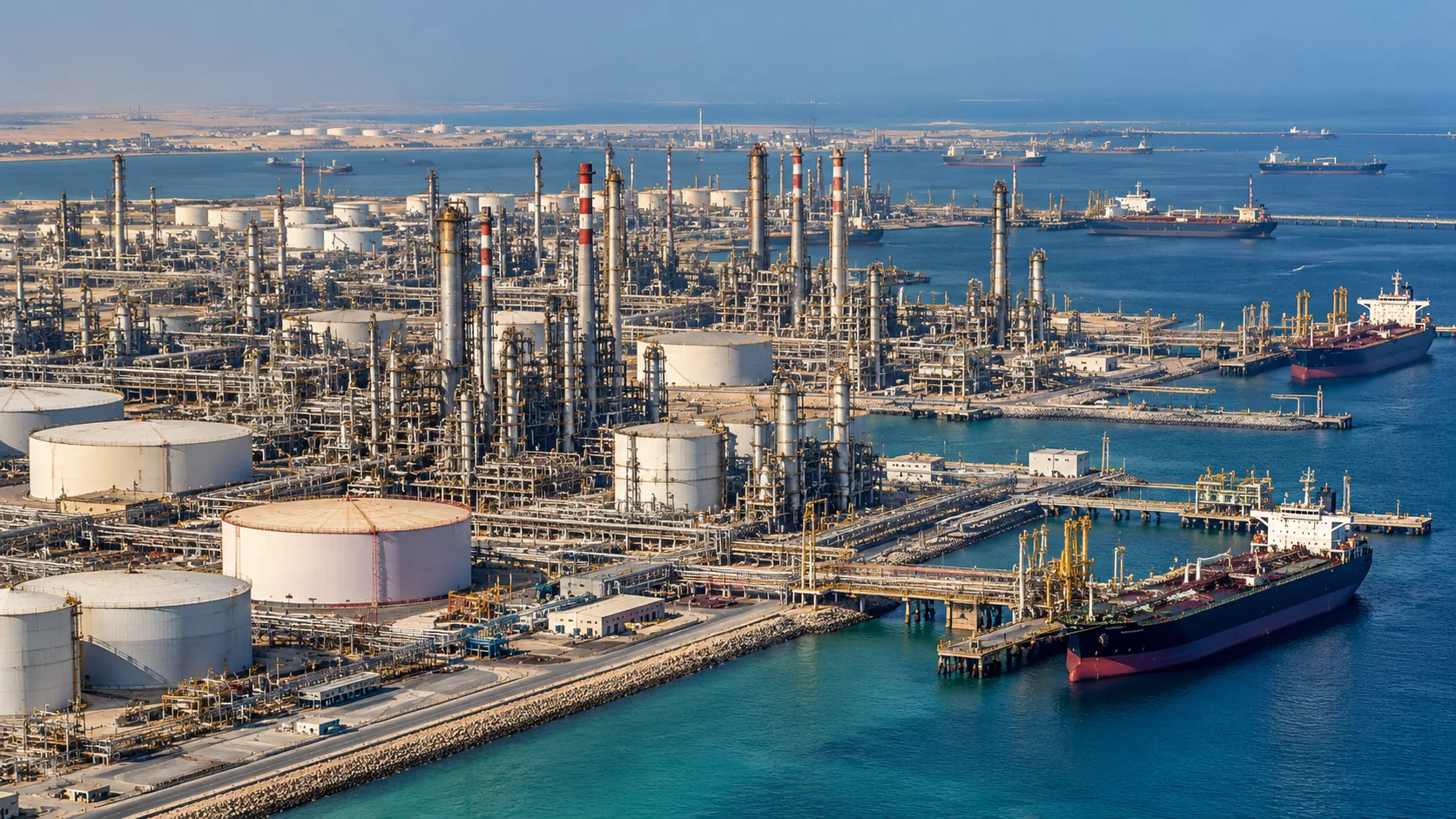


Oil prices plunged Monday morning, with U.S. crude falling below $100 a barrel as new diplomatic efforts between Washington and Tehran raised hopes that the escalating Middle East conflict could move toward a negotiated resolution.
The sudden decline comes just one day before Tuesday’s U.S. midterm elections, with investors closely watching whether renewed negotiations can prevent another round of military strikes and ease pressure on global energy markets.
Oil Prices Fall More Than 4% as Diplomatic Hopes Grow
West Texas Intermediate (WTI), the U.S. oil benchmark, fell approximately 4.4% to $99.50 per barrel in early Monday trading. International benchmark Brent crude dropped roughly 4.6% to $108.20, reversing part of last week’s gains.
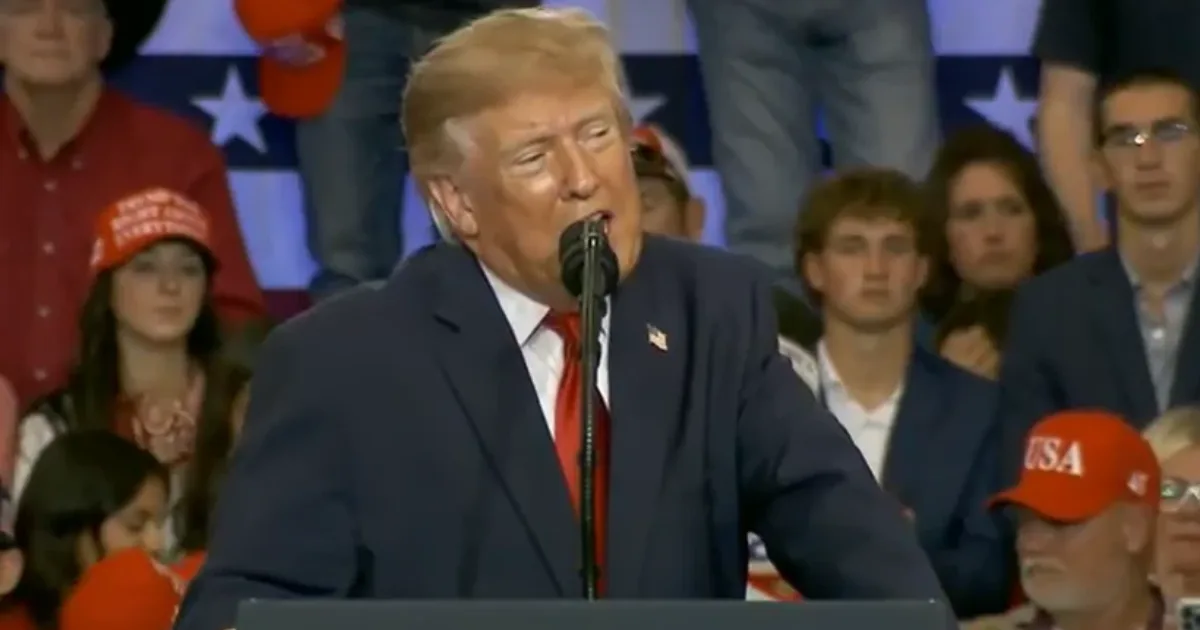
The selloff followed comments from Secretary of State Marco Rubio suggesting President Donald Trump would prefer to resolve the conflict with Iran through diplomacy rather than additional military action.
Speaking to reporters over the weekend, Rubio said Trump had made no final decision about launching new strikes and remained open to negotiations.
“The president prefers to solve it diplomatically,” Rubio said, while emphasizing that the United States maintains the military capabilities necessary to act if negotiations fail.
The comments provided some relief to energy markets that had been pricing in the possibility of another major confrontation in the Persian Gulf following the November 3 elections.
Iran Signals a Deal Is Still Possible
Iranian officials have also indicated that negotiations remain possible following discussions with Qatari mediators in Doha.
Iranian Foreign Minister Abbas Araghchi said the talks included a proposal to reopen the Strait of Hormuz, a critical shipping route for global oil supplies, provided Washington meets several Iranian demands.
Those conditions reportedly include sanctions relief, changes to the U.S. military presence in the region and broader security guarantees. While there has been diplomatic movement, substantial disagreements remain, and no formal agreement has been announced.
The potential reopening of the Strait of Hormuz is particularly significant for oil markets. The narrow waterway connects Persian Gulf producers with international buyers and is one of the world’s most important energy transportation routes.
Any credible agreement restoring safer and more predictable shipping through the strait could reduce the additional premium traders have been placing on crude oil because of the conflict.
Why Oil Prices Are Falling Before Any Agreement
The sharp decline reflects how quickly expectations can change in energy markets.
Oil prices had climbed in recent weeks as investors feared renewed military strikes against Iran, additional disruptions to Gulf shipping and attacks on regional energy infrastructure.
Those concerns pushed Brent crude to a six-month high at the end of October, with traders increasingly worried that the conflict could intensify after the U.S. midterm elections.
Monday’s diplomatic developments have reduced some of those immediate fears. Traders are beginning to consider the possibility that negotiations could prevent further disruptions and eventually restore more reliable oil shipments.
However, the underlying supply risks have not disappeared. Oil remains historically expensive, and the latest diplomatic signals have yet to produce a ceasefire or a lasting agreement.
A breakdown in negotiations could quickly reverse Monday’s selloff, particularly if either side resumes military operations or shipping conditions deteriorate.
What Falling Oil Prices Could Mean for Stocks and Consumers
The decline in crude prices could provide some relief to investors already concerned about inflation, corporate earnings and the direction of the economy.
Gasoline Prices and Inflation
Lower crude prices generally reduce the cost of producing gasoline, diesel and other petroleum products. If the decline continues, consumers could eventually see relief at the pump, although retail gasoline prices typically respond with a delay.
Energy costs also influence transportation, manufacturing and distribution expenses throughout the economy. Sustained lower oil prices could ease some inflationary pressures and potentially improve the outlook for consumer spending.
Airlines, Retailers and Transportation Stocks
Companies that consume substantial amounts of fuel could benefit if energy prices remain lower.
Airlines, trucking companies and shipping operators are particularly sensitive to fuel expenses. Lower costs can support profit margins, while reduced gasoline prices could leave households with more money for discretionary purchases.
Retailers and consumer-focused businesses could also benefit indirectly if falling energy costs strengthen purchasing power.
Energy Producers Could Face Pressure
For oil producers, the outlook is more complicated.
A sustained decline in crude prices would generally reduce revenue expectations for exploration and production companies, particularly those with higher operating costs.
Major integrated energy companies may be better positioned to absorb price fluctuations because of their refining, trading and other business operations.
Investors should distinguish between a temporary geopolitical selloff and a lasting change in oil supply conditions before drawing broader conclusions about energy-sector earnings.
The Biggest Risk Remains Military Escalation After Tuesday
Despite the renewed diplomatic activity, the possibility of additional military action remains a major concern.
Reports have suggested that the United States has been considering renewed strikes against Iran after Tuesday’s midterm elections. Iranian leaders have responded with warnings that additional attacks could trigger widespread retaliation.
Iran’s Supreme Leader Mojtaba Khamenei has called on the country’s armed forces to prepare for a forceful response to further threats.
Meanwhile, attacks involving commercial shipping and energy infrastructure across the region continue to threaten supply routes, complicating efforts to achieve a durable ceasefire.
The continuing conflict in Ukraine adds another layer of uncertainty to global energy markets.
For investors, that means Monday’s decline may represent an easing of immediate fears rather than confirmation that the energy crisis is ending.
Three Developments Investors Should Watch
1. Whether negotiations produce a concrete agreement. Diplomatic statements have helped oil prices retreat, but a meaningful breakthrough would likely require specific commitments on sanctions, military operations and security arrangements.
2. Whether the Strait of Hormuz becomes safer for commercial shipping. Any verified improvement in tanker access and security could provide stronger support for lower oil prices. Continued attacks or restrictions could push prices higher again.
3. What happens after the November 3 midterm elections. Markets are watching whether Washington continues pursuing negotiations or shifts toward additional military action once voting concludes. Either decision could produce a significant reaction in energy prices.
The Bottom Line for Investors
Oil’s fall below $100 is an encouraging development for consumers and businesses struggling with elevated energy costs. It also offers a potential source of relief for financial markets facing geopolitical uncertainty and inflation concerns.
However, the diplomatic process remains fragile, and both Washington and Tehran continue to signal that military action remains possible.
The next major move in oil prices may depend less on economic data and more on whether the United States and Iran can turn diplomatic discussions into an enforceable agreement.
With the midterm elections just one day away, investors should be prepared for continued volatility across energy markets.
About Author