
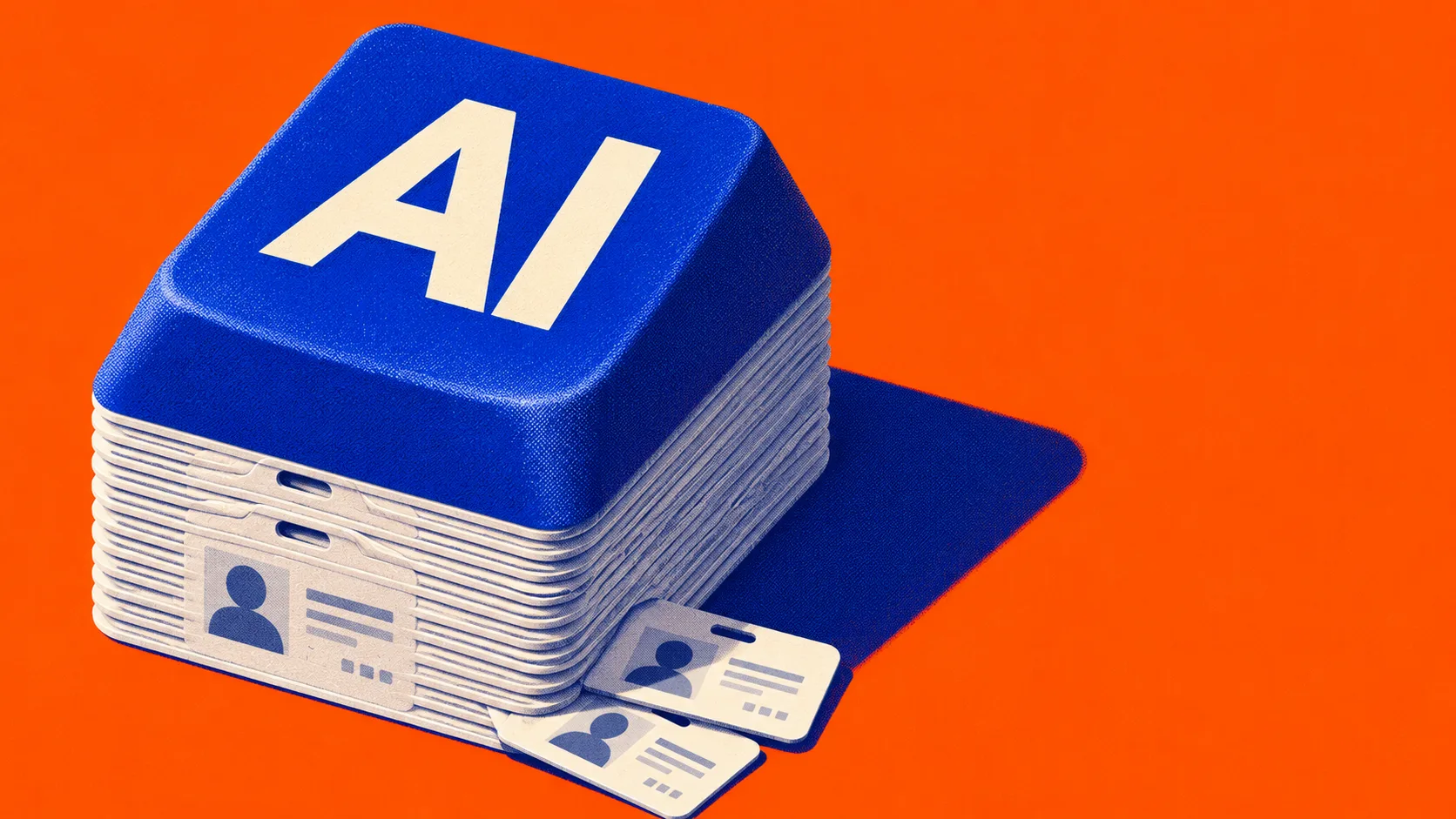
SAP is weighing at least 10,000 job cuts as it puts artificial intelligence at the center of its software business. The proposed reductions would affect roughly one in 11 employees worldwide and come just weeks after the German software giant reported more than $11 billion in quarterly revenue for the first time.
Product, Engineering and Sales Are in Focus
Bloomberg reported on November 26 that SAP is drawing up plans to eliminate at least 10,000 positions. The company has reportedly asked departments across the business to identify potential cuts, with particular attention on product development, engineering and sales. Reuters separately reported that SAP was preparing significant reductions and that its works council had yet to be informed.
SAP says it is reviewing how its organization and workforce need to evolve as AI changes its business and that it has made no decision on further measures. The final number could change after talks with employee representatives. Which countries would bear the largest share of the cuts and how many employees could leave through voluntary programs remain open questions.
SAP Already Went Through a Restructuring of This Size
A restructuring launched in 2024 affected roughly 10,000 positions and cost about $3.3 billion, according to Bloomberg. SAP relied heavily on voluntary departures and retraining, and it hired for new roles at the same time. Its overall workforce stayed relatively flat through that effort.
That history matters for employees and shareholders. The reported figure gives a sense of how many positions could be affected, while the eventual headcount will also depend on how many people SAP hires elsewhere. If SAP follows a similar path this time, the lasting change could be where it puts its payroll, with more resources devoted to building and selling AI-enabled software.
SAP Is Weighing Cuts While Its Cloud Business Grows
SAP’s third-quarter revenue climbed 13% from a year earlier to about $11.27 billion. Cloud revenue rose 26% to $7.32 billion, and operating profit increased 18% to $3.22 billion. Cloud services now account for roughly two-thirds of quarterly sales, giving SAP a large customer base to sell AI features to.
SAP’s software already handles work such as accounting, purchasing and inventory management. Adding AI to those products could help customers flag unusual invoices or spot inventory problems inside systems they already use. If customers pay for those tools or move more of their operations onto SAP’s cloud, the company could earn more from existing accounts. The reported cuts also put sales and engineering under the microscope, since those teams will help build the AI features and get customers to use them.
The Numbers That Will Show Whether the Restructuring Pays Off
- Net headcount and restructuring costs. The size of the program will matter alongside new hiring, severance costs and the timing of any payroll savings. SAP’s previous restructuring shows how far apart the number of affected roles and the net change in staffing can be.
- Cloud backlog. SAP ended the third quarter with about $26.5 billion in contracted cloud revenue expected to be recognized over the following 12 months, up 28% from a year earlier. That gives investors a baseline for judging whether demand holds up as SAP changes how it sells and delivers its software.
- Paying customers for AI. SAP has a built-in distribution advantage because its customers already rely on its software. The financial test is whether enough of them pay for AI features, expand their contracts or move more of their business to the cloud.
A smaller workforce could lift margins over time, especially if cloud sales keep growing. The bigger payoff would come from getting customers to spend more on the software SAP is reorganizing around. That will take longer to judge than the size of any initial cuts.
Dollar amounts are approximate U.S. equivalents using the European Central Bank’s November 26 exchange rate of $1.0975 per euro. Growth rates are as reported by SAP.
About Author