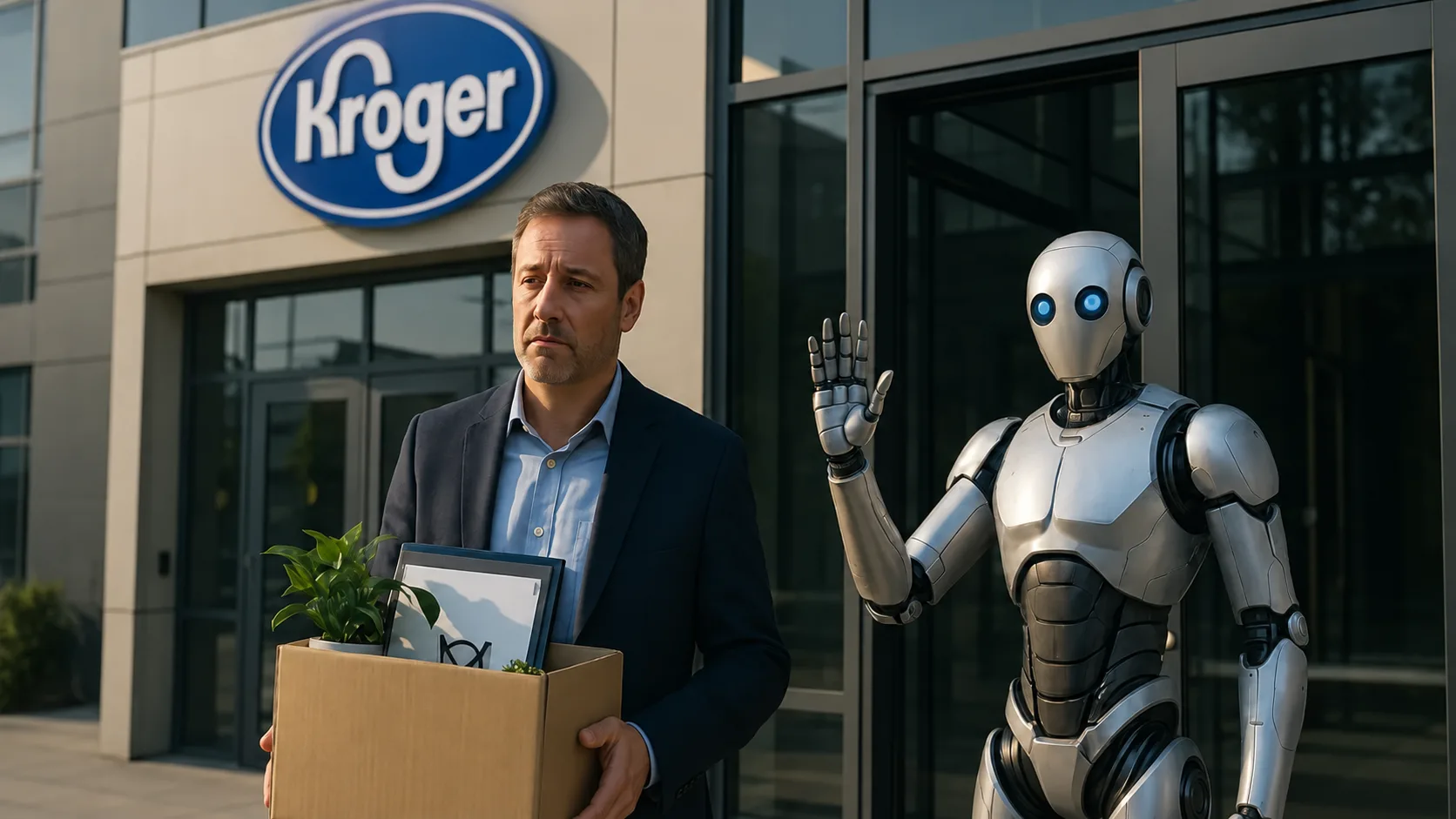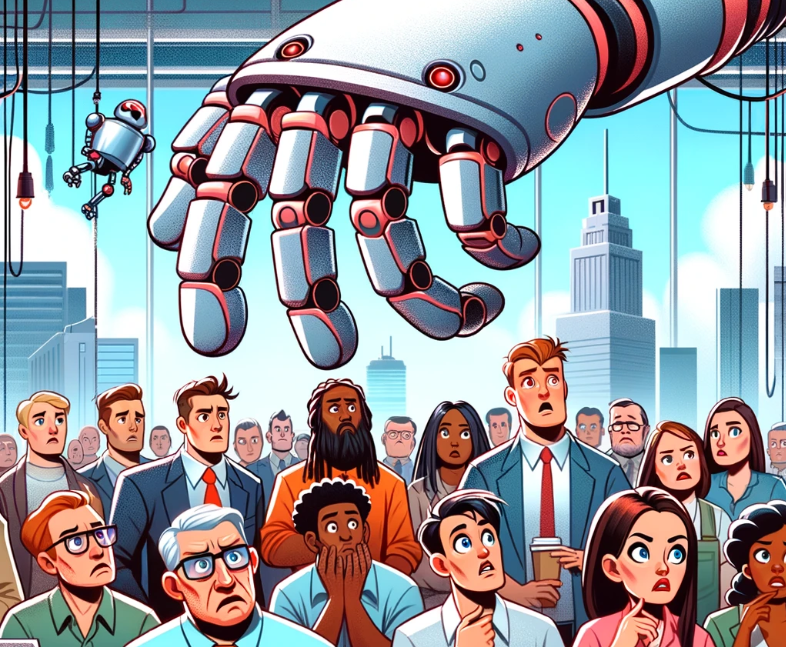
In an industry pivot that’s both alarming and exhilarating, tech giants are channeling their resources and focus towards artificial intelligence (AI), signaling a seismic shift in employment dynamics. This strategic maneuver is leading to a hiring spree in AI, while casting shadows of layoffs over other tech segments.
Tech’s Tectonic Shift
The Layoff Landscape
Already in 2024, over 20,000 tech employees have faced layoffs, per layoffs.fyi’s tracking. Big Tech, notably Google, is cutting back in non-strategic areas while aggressively investing in AI. Google CEO Sundar Pichai’s recent memo to employees highlighted the tough choices ahead, signaling more job cuts even as the company sharpens its focus on AI.
AI as the New Frontier
Dan Ives of Wedbush Securities encapsulates the situation: “Google and the rest of Big Tech are betting big on AI while cutting back on non-strategic areas.” This trend isn’t isolated. Microsoft, by integrating ChatGPT into Bing, has spurred rivals like Google to enhance AI features in their products.
The Cost-Cutting Conundrum
Alex Kantrowitz from Big Technology notes on CNBC’s “Power Lunch” that the shift to AI is a costly endeavor, necessitating cost cuts in other areas. “We’re not living in a zero interest rate environment anymore,” he remarks, highlighting the economic pressures driving these changes.
Industry-Wide Implications
SAP’s Strategic Reorientation
German giant SAP is restructuring around 8,000 roles to focus on AI, with an emphasis on voluntary leave and internal re-skilling. This reflects a broader industry trend where companies realign their workforce to prioritize AI development.
Amazon’s AI Ascent
Amazon, not to be left behind, has been trimming its workforce in areas like video streaming and studio divisions, while pumping significant investments into Amazon Web Services (AWS) for AI expansion. Despite being a late entrant in the generative AI race, AWS’s planned $15.24 billion investment in Japan for cloud computing infrastructure underscores its commitment to AI.
Beyond Tech: The Ripple Effect
The AI-centric workforce restructuring isn’t confined to tech giants. Vroom, the U.S.-based online used-car marketplace, is slashing about 800 jobs to concentrate on automotive financing and AI services. Even Duolingo is trimming its workforce, turning towards AI for content creation.
The Bigger Context
This industry shift began with mass layoffs in 2022, continuing through 2023 amid global economic challenges. High interest and inflation rates, coupled with reduced consumer spending, have forced companies to reassess their strategies. AI emerges as a beacon of strategic investment, but not without its toll on the workforce in other sectors.
The Bottom Line: As AI becomes the new frontier for tech giants, a balancing act emerges – investing in the future while making hard choices in the present. This trend is a stark reminder of the ever-evolving nature of technology and its impact on the job market. It’s a wave of change, bringing both opportunities and challenges, as companies navigate the intricate dance of innovation and cost management.
Stay up to date on other relevant news in our “Stock Market” section.
About Author