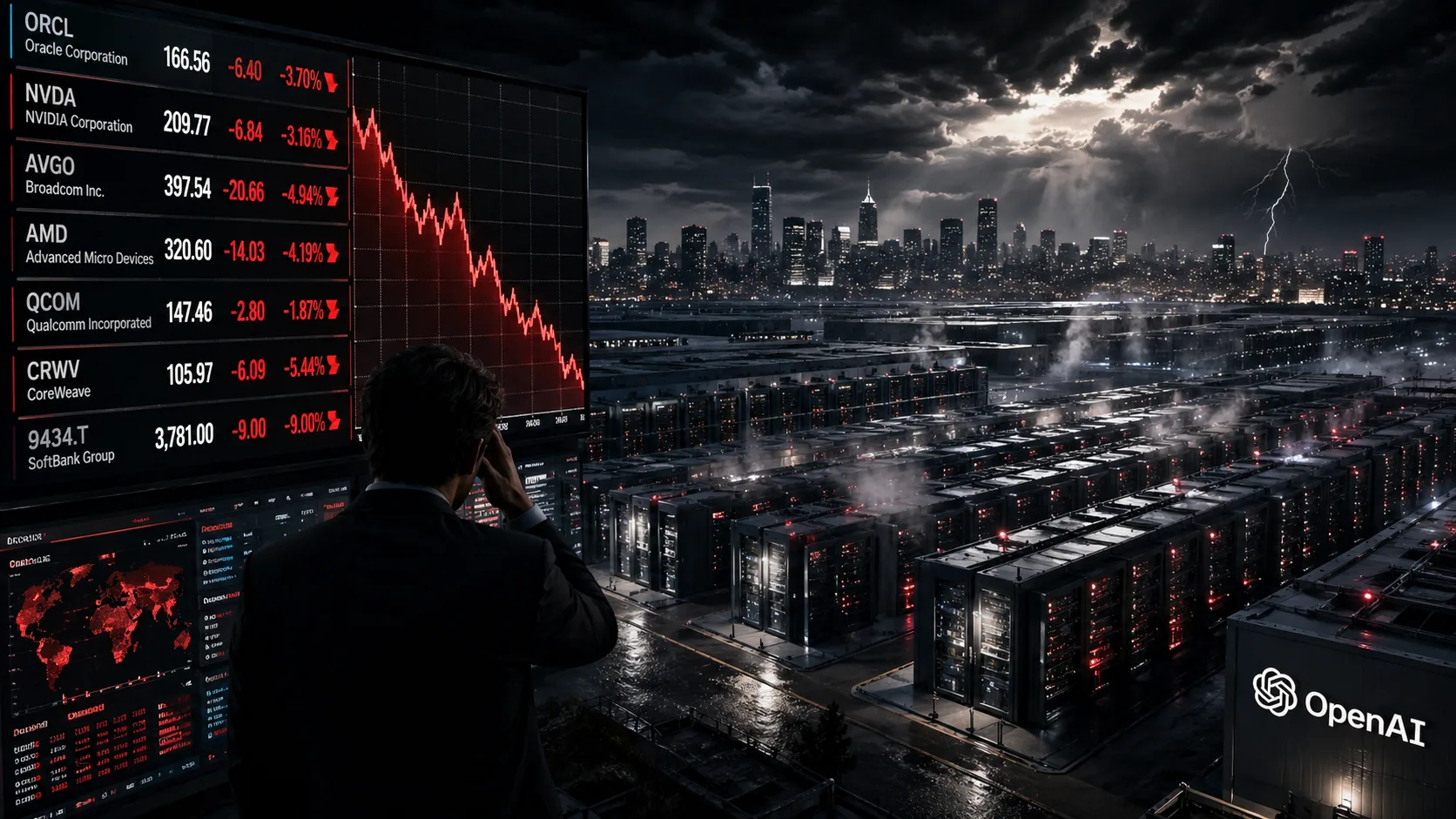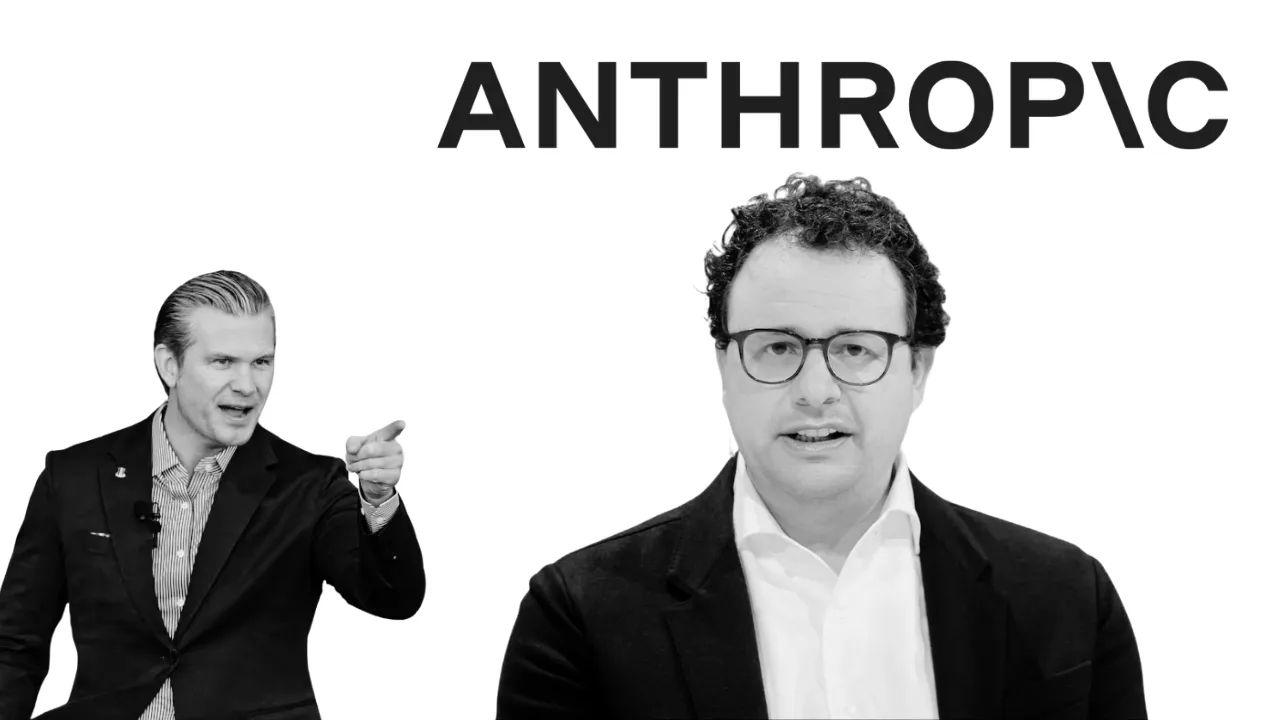
The artificial intelligence race is accelerating and one of the industry’s most safety-focused companies is shifting course. Anthropic, long viewed as the cautious counterweight in the AI boom, has announced changes to its core safety framework in response to mounting competitive pressure, evolving government priorities, and the rapid pace of technological advancement.
The move highlights a growing tension shaping the future of artificial intelligence: the balance between safety and speed. As tech giants and well-funded AI labs push forward with increasingly powerful models, the economic and geopolitical stakes are rising. For investors, policymakers, and the technology sector, Anthropic’s pivot signals a broader shift that could reshape the trajectory of the AI industry.
A Turning Point for One of AI’s Most Safety-Focused Firms
Anthropic built its reputation on caution. Founded in 2021 by former OpenAI researchers led by CEO Dario Amodei, the company positioned itself as a safety-first alternative in an industry increasingly driven by rapid deployment and competitive dominance.
For years, Anthropic followed a strict rule. If internal testing suggested a model could be classified as potentially dangerous, development would pause. That approach set the company apart and helped establish it as one of the most risk-aware organizations in artificial intelligence.
Now that policy is changing.
Anthropic confirmed it will no longer automatically halt development if a rival releases a comparable or more advanced model. Instead, it will continue pushing forward to remain competitive. The company says the adjustment reflects the speed of AI innovation and the absence of clear federal regulations guiding the sector.
In its public statement, the company explained:
“The policy environment has shifted toward prioritizing AI competitiveness and economic growth, while safety-oriented discussions have yet to gain meaningful traction at the federal level.”
Despite softening its stance, Anthropic insists it remains committed to industry-leading safeguards. The company also pledged to publish ongoing safety reports and risk assessments verified by third parties.
Competitive Pressure Is Reshaping the AI Landscape
Anthropic’s policy change did not happen in isolation. The company is operating in one of the most competitive technology races in modern history.
Major rivals including OpenAI, Google, and Elon Musk’s xAI are rapidly releasing new models and investing billions into AI infrastructure, research, and deployment. The competition is not just commercial. It is strategic, geopolitical, and increasingly tied to national security and economic dominance.
Falling behind in this environment carries serious consequences. In recent years, Anthropic has already experienced the cost of caution. The company delayed releasing early versions of its Claude model over safety concerns, allowing competitors to surge ahead in public adoption and market influence.
Now, the stakes are higher. AI is no longer just a technology sector battle. It is shaping defense strategy, global productivity, capital markets, and the future of work.
Pentagon Pressure and National Security Implications
Another major factor influencing Anthropic’s shift is its relationship with the U.S. government, particularly the Department of Defense.
Anthropic has previously limited how its AI systems could be used by the military. The company restricted Claude from supporting domestic surveillance or autonomous lethal systems. That stance has created friction as the Pentagon increasingly views AI as a core national security tool.
According to officials, Anthropic faces a deadline to relax certain usage restrictions or risk losing key defense contracts. The pressure reflects a broader reality. Governments worldwide are accelerating AI adoption for intelligence, logistics, cyber defense, and battlefield systems.
This puts companies like Anthropic in a difficult position. Maintaining strict safety rules can conflict with national priorities and commercial competitiveness. Loosening them raises ethical and societal concerns.
For investors, this intersection between technology firms and defense spending is significant. AI contracts with governments are becoming one of the largest potential revenue drivers in the sector.
The Regulatory Vacuum Driving Industry Decisions
One of the biggest forces behind Anthropic’s decision is the absence of clear federal AI regulation.
Without consistent rules, AI companies are largely setting their own standards. That creates uneven competitive conditions and encourages faster deployment. Firms that slow down for safety risk losing market share, investment capital, and strategic positioning.
Anthropic has previously advocated for stronger transparency requirements and federal guardrails. However, current policy trends are shifting toward promoting AI innovation and economic growth rather than imposing strict oversight.
This environment is pushing even safety-focused organizations toward more aggressive development strategies.
Internal Tensions and Researcher Departures
The shift in direction has sparked concern among some researchers within the AI community.
Several safety-focused scientists have recently left leading AI firms, including Anthropic, warning that commercial pressures are beginning to outweigh caution. Critics argue that the rapid scaling of powerful AI systems could outpace society’s ability to manage the risks.
One departing Anthropic researcher wrote that the “world is in peril” from advanced AI systems and broader technological disruptions. Others have warned that highly capable AI could distort human decision-making or weaken individual autonomy.
These concerns echo across the industry as companies race to build increasingly powerful models capable of reasoning, autonomous action, and real-world decision support.
The Broader AI Industry Is Facing the Same Dilemma
Anthropic is not alone.
OpenAI and Google are also navigating the balance between innovation and safety while pursuing massive funding rounds, enterprise partnerships, and infrastructure expansion. The industry is collectively moving toward more powerful models while attempting to build safeguards in parallel.
This dynamic has created what many analysts describe as an AI acceleration loop. Competitive pressure drives faster releases, which drives more investment, which increases capability, which raises new safety concerns.
What This Means for Investors
Anthropic’s policy shift is not just a corporate decision. It reflects a structural change across the AI economy. Investors should watch several key implications.
1. The AI Race Is Speeding Up
Competition is forcing companies to prioritize deployment and capability. This could accelerate breakthroughs but also increase volatility and risk.
2. Defense Spending and AI Are Converging
Government contracts and national security applications may become a major revenue stream for AI firms, cloud providers, and infrastructure companies.
3. Regulation Will Be a Major Market Catalyst
Future AI policy decisions could reshape valuations across the tech sector. Clear federal rules may either stabilize the industry or slow growth depending on their structure.
4. Talent Movement Signals Industry Direction
Researcher departures often indicate deeper shifts in corporate priorities. Continued migration away from safety research toward commercial deployment could accelerate development timelines.
5. AI Remains One of the Most Important Investment Themes
Despite safety debates, capital continues flowing into artificial intelligence at unprecedented levels. The sector remains central to long-term productivity growth and technological transformation.
The Bigger Picture
Anthropic’s evolution underscores a fundamental reality. The AI revolution is moving from cautious experimentation into full-scale global competition.
Companies that once prioritized restraint are adapting to survive in a fast-moving landscape shaped by geopolitical rivalry, economic incentives, and technological momentum.
Whether this acceleration leads to transformational progress or new systemic risks will depend on how governments, companies, and investors navigate the next phase of the AI era.
One thing is certain. The balance between safety and speed is becoming one of the defining challenges of the modern technology economy.
About Author