While artificial intelligence continues to dominate headlines and rattle major technology stocks, a different corner of the market is quietly gaining strength. Real estate investment trusts, particularly dividend-paying names, are beginning to outperform broader equities, offering investors income, stability, and potential upside during a period of uncertainty.
As market volatility increases and investors reassess how artificial intelligence could reshape industries, real estate is emerging as one of the most overlooked opportunities. For investors seeking both yield and long-term appreciation, the current environment may represent a turning point for the REIT sector.
AI Fear Hits Markets but Real Estate Moves Higher
Recent market turbulence has been driven in large part by fears that artificial intelligence could disrupt major sectors ranging from software to commercial office space. These concerns triggered selling across technology stocks and pushed broader indexes lower.
The S&P 500 declined more than 1 percent in recent trading as software and technology names came under pressure. Despite this weakness, the real estate sector has moved in the opposite direction, rising more than 8 percent year to date and standing out as one of the strongest performing segments of the market.
Earlier in the year, even real estate experienced a brief sell-off. Office-focused landlords such as SL Green Realty, Boston Properties, and Hudson Pacific Properties fell sharply amid fears that AI and remote work could permanently reduce office demand. Commercial real estate services firms including CBRE and Jones Lang LaSalle also declined during this period.
However, analysts stress that office real estate represents only a small portion of the broader REIT universe. The majority of real estate sectors are influenced far more by interest rates, demographic trends, and capital flows than by artificial intelligence disruption.
Falling Interest Rates Could Power a REIT Recovery
One of the biggest catalysts supporting real estate investment trusts is the outlook for lower interest rates. Historically, declining rates have been highly supportive of real estate because they reduce borrowing costs, improve property valuations, and increase the attractiveness of dividend yields relative to bonds.
BMO Capital Markets analyst John Kim believes the macro backdrop is shifting in favor of real estate. He noted that falling rates improve capitalization rates, strengthen earnings growth, and enhance investor demand for income-producing assets.
BMO expects the sector to deliver strong returns in the coming year and has described the setup as a potential “REIT Redemption Tour.” The firm forecasts total returns approaching 17 percent as both capital appreciation and dividends contribute to performance.
Industry data supports the improving outlook. According to Nareit, property transaction activity has begun to rise again after a prolonged slowdown. Increased deal flow often signals confidence returning to the real estate market and can mark the early stages of a broader recovery cycle.
Operational fundamentals also remain solid. Balance sheets across much of the REIT universe are healthier than during past downturns, and many companies have refinanced debt before higher interest rates fully took hold.
Where the Smart Money Is Looking
Although the sector has begun to recover, analysts believe many REITs remain undervalued relative to long-term fundamentals. Several areas stand out as particularly attractive for investors seeking both growth and income.
Data Centers Are Emerging as a Major Winner
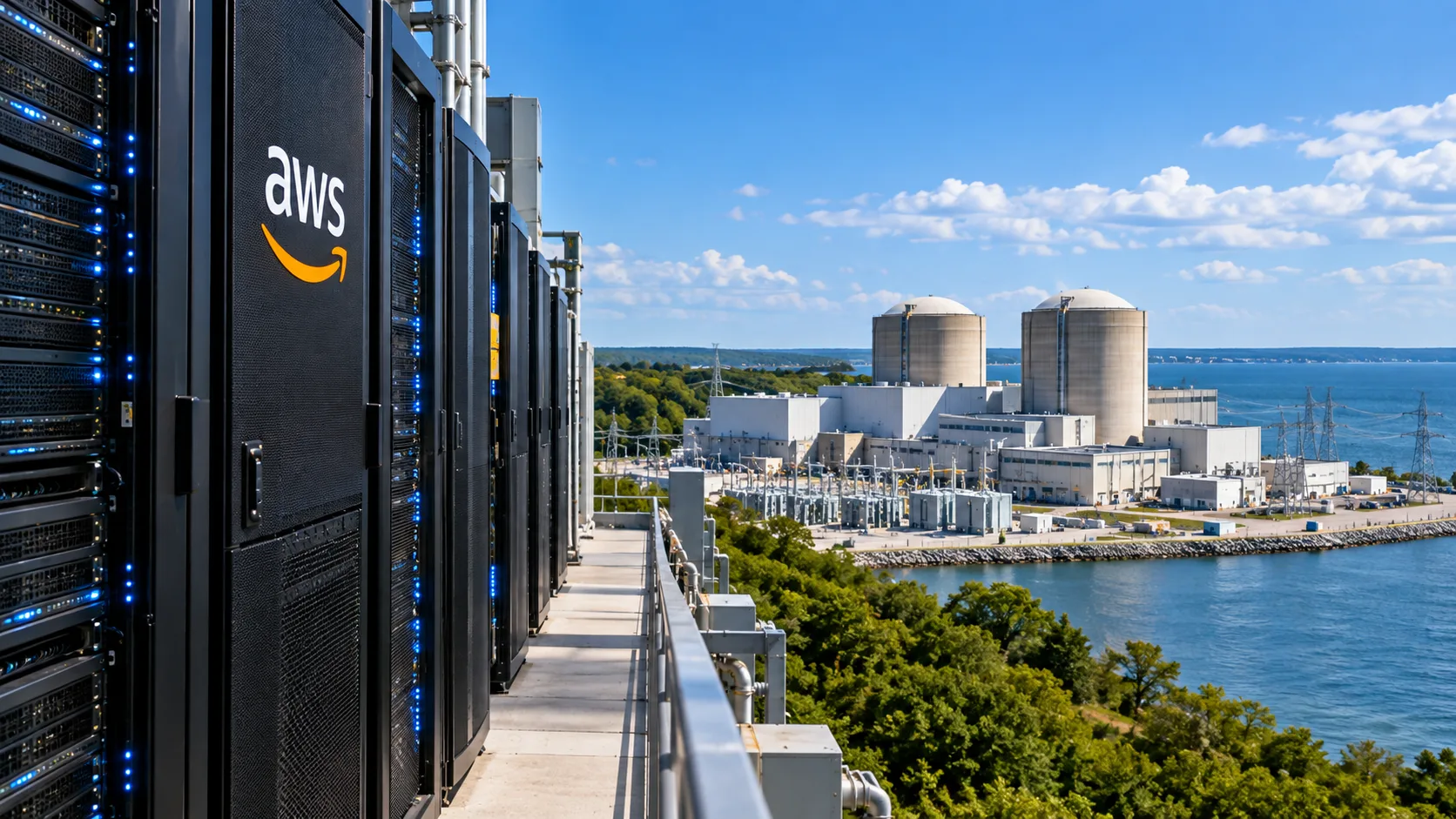
Ironically, while artificial intelligence fears triggered volatility in markets, AI itself is becoming a powerful growth engine for data center real estate.
Data centers were among the weakest performing REIT segments last year, delivering negative total returns even as the broader REIT index moved modestly higher. However, the trend has reversed sharply. This year, data center REITs have become one of the strongest performers as demand for computing infrastructure surges.
Janus Henderson portfolio manager Greg Kuhl believes the long-term outlook remains exceptionally strong.
“The amount of spending on infrastructure for AI, that’s all basically good news for data centers,” he said.
Massive investment in AI training, cloud computing, and inference processing is driving unprecedented demand for data storage and high-performance computing facilities. Hyperscalers and enterprise customers are signing long-term leases, often at premium rates, creating stable and growing cash flows for data center landlords.
Equinix Positioned for AI-Driven Growth
Equinix is widely viewed as one of the top data center REITs benefiting from AI expansion. The company recently reported record leasing activity and highlighted strong demand from AI-related customers.
“They had a record quarter of leasing, and they called out that they’re starting to see real demand from that type of customer — AI-inference driven type of demand, and the volumes were huge,” Kuhl said.
Although the company’s recent quarterly earnings metrics fell slightly short of expectations, its forward guidance exceeded analyst estimates, signaling continued momentum. Equinix also provides investors with a dividend yield around 2 percent, combining growth with income.
Digital Realty and the Global Data Center Buildout
Another major player in the data center space is Digital Realty Trust. Analysts believe the company is well positioned to sign large enterprise and hyperscale leases across multiple global markets.
The continued expansion of cloud computing, artificial intelligence, and digital infrastructure is expected to drive long-term demand for the company’s portfolio. As global data usage rises and AI workloads expand, Digital Realty could see sustained revenue growth.
Industrial Real Estate and the Hidden Data Center Opportunity
Industrial REIT Prologis is another name drawing attention from investors. While best known for its logistics and warehouse properties, the company is quietly building a data center business that analysts believe the market has not fully priced in.
Kuhl noted that Prologis’s data center expansion could become a significant growth driver, while its core logistics business is improving as supply chains normalize and demand stabilizes.
This combination of recovery in industrial demand and long-term exposure to digital infrastructure gives Prologis a unique position among REITs.
Senior Housing REITs Benefit From Demographic Trends
Beyond technology infrastructure, another compelling opportunity lies in healthcare real estate, particularly senior housing.
The aging population continues to drive demand for senior living facilities, while new supply remains limited. This imbalance is creating strong pricing power and occupancy growth for landlords.
Welltower is one of the leading senior housing REITs and has attracted significant attention from analysts. The company has substantial exposure to the senior living market and is also incorporating artificial intelligence into its operations to improve decision making and efficiency.
“If the industry is 90 percent occupied right now, your demand grows 5 percent a year, supply grows zero, the industry is full pretty quickly,” Kuhl said. “That’s a good place to be as a landlord.”
Welltower’s use of data analytics and AI helps identify acquisition opportunities, optimize operations, and select high-performing property managers. Analysts believe these advantages could allow the company to grow faster than the broader industry.
Dividend Income Remains a Major Draw
One of the biggest reasons investors are returning to real estate is income. In a volatile market environment, consistent dividend payments provide both stability and total return potential.
REITs are required to distribute most of their taxable income to shareholders, making them one of the most reliable sources of yield in public markets. As interest rates decline, dividend yields from real estate become even more attractive compared with fixed income alternatives.
For investors seeking steady income combined with long-term growth, REITs can offer a compelling balance.
Signs of a Broader Real Estate Recovery
Several indicators suggest the real estate sector may be entering the early stages of a recovery cycle.
Property transaction activity is increasing after a prolonged slowdown. Financing conditions are improving as interest rate expectations shift lower. Balance sheets across many REITs remain strong, and occupancy levels in several key sectors continue to rise.
Ed Pierzak of Nareit noted that improving deal flow and stable operations could signal the broader real estate market is beginning to recover.
“We take a look at REIT operations; they’ve been solid. We take a look at the balance sheets; they’ve been solid,” he said. “We’ve started to see this uptick in REIT transaction activity on the property side and we think that’s a huge plus. It’s really a potential signal that the broader market may be getting into recovery as well.”
What Investors Should Watch Going Forward
While the outlook is improving, several factors will determine how strong the REIT recovery becomes.
Interest rate trends remain critical. Continued declines would likely support higher property valuations and improved earnings growth.
Artificial intelligence will continue shaping real estate in two ways. It could challenge certain segments such as traditional office space, while simultaneously driving explosive growth in data centers and digital infrastructure.
Demographic shifts, particularly aging populations, are expected to support healthcare real estate for years to come.
Finally, investor sentiment will play a major role. If markets remain volatile, income-producing assets like REITs may continue attracting capital.
About Author