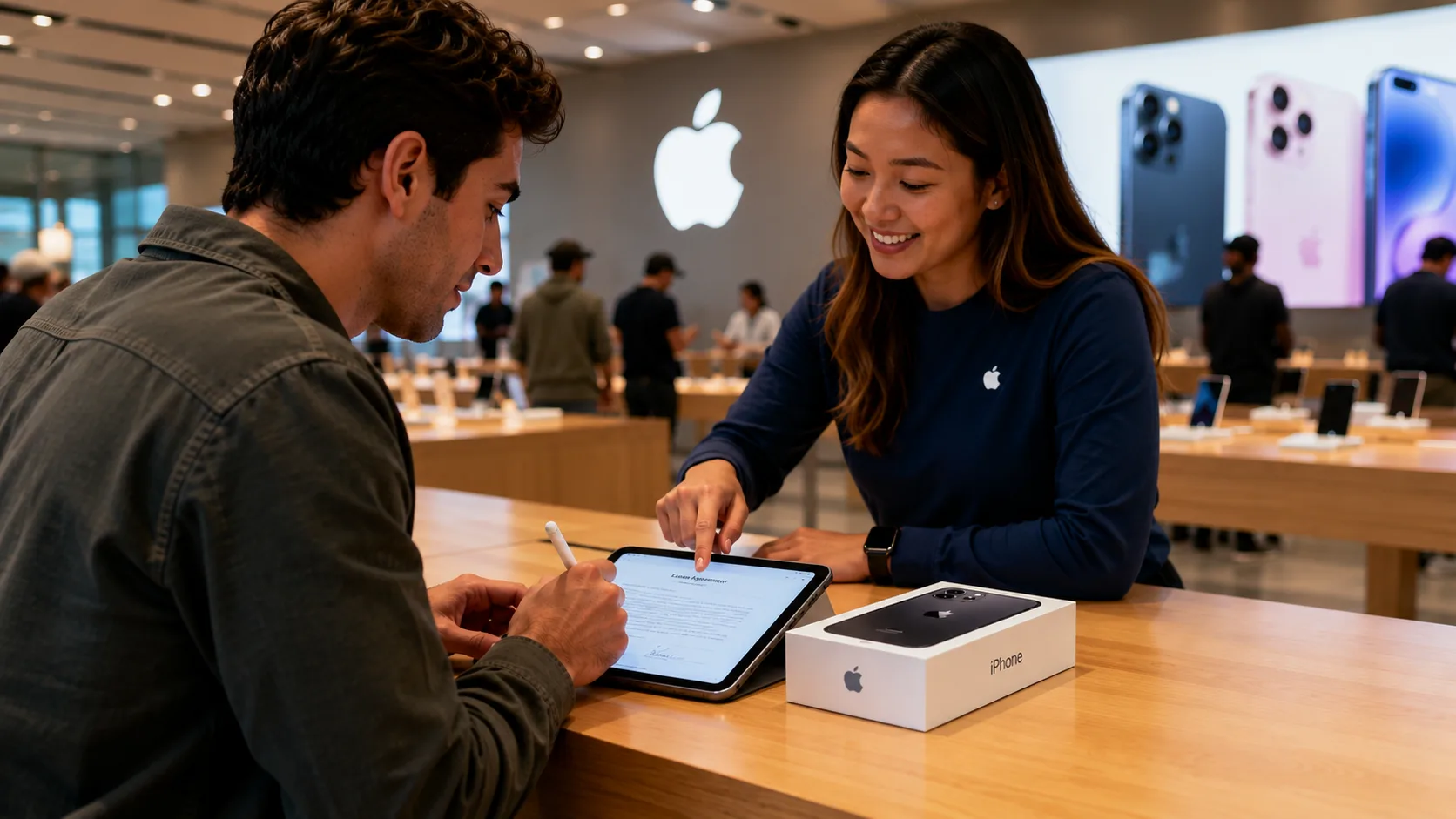
Instead of purchasing a device outright or financing it through monthly installment payments, Apple has launched a new leasing program that allows customers to pay for access to an iPhone, iPad, Mac, or Apple Watch, then upgrade, purchase, or return the device when the lease ends.
The move comes as investors expect Apple to raise iPhone prices later this year, making lower monthly payments an attractive option for consumers facing increasingly expensive smartphones.
Apple Introduces Device Leasing Through Klarna
Apple’s new Apple Upgrade program is available in the U.S. through a partnership with buy-now-pay-later company Klarna.
Unlike Apple’s previous financing plans, customers are no longer paying toward ownership during the lease term. Instead, they are paying for the right to use the device for a set period.
When the agreement expires, customers have three choices:
- Upgrade to a newer Apple device
- Purchase the leased device outright
- Return it to Apple
Monthly lease prices begin at $17.99 for eligible iPhone models, according to Apple.
The program also extends beyond the iPhone.
Available lease terms include:
- iPhone: 12 or 24 months
- Apple Watch: 12 or 24 months
- iPad: 24 months
- Mac: 24 or 36 months
Apple is also retiring its previous U.S. iPhone Payments and iPhone Upgrade Program in favor of the new leasing model.
Why Apple Is Making This Move Now
The launch arrives just weeks after Apple increased prices on several MacBook and iPad models due to rising component costs and ongoing memory chip shortages.
Wall Street analysts widely expect the company to announce higher iPhone prices when its next generation of smartphones launches this fall.
Rather than asking customers to spend roughly $1,200 upfront, Apple is shifting attention toward smaller monthly payments.
According to Tigress Financial Partners Chief Investment Officer Ivan Feinseth, presenting an expensive purchase as an affordable monthly lease could encourage consumers who were delaying upgrades because of sticker shock.
That strategy has become increasingly common across industries as subscription-based business models continue replacing traditional ownership.
Why Wall Street Likes the Strategy
Analysts believe the new program could benefit both Apple and Klarna.
For Apple, leasing creates a predictable upgrade cycle. Customers are more likely to replace their devices when lease agreements expire, giving Apple additional opportunities to sell new hardware and services.
The company also gains another advantage.
Returned devices can be refurbished and sold again through Apple’s Certified Refurbished program or trade-in channels, allowing Apple to capture more value from the booming used-device market instead of leaving those sales to wireless carriers and third-party resellers.
Meanwhile, Klarna gains one of the highest-profile partnerships in the consumer technology industry.
If adoption is strong, the agreement could generate a steady stream of long-term financing business as Klarna expands beyond its traditional short-term payment plans.
The Risks for Apple and Klarna
The new model also introduces new challenges.
Apple must efficiently collect returned devices, inspect their condition, refurbish eligible products, and manage customers who dispute damage assessments.
Unlike previous upgrade plans, AppleCare is not included with Apple Upgrade.
That means customers are responsible for separately purchasing insurance if they want protection against accidental damage.
For Klarna, the risk is financial.
The company’s business has traditionally focused on short-term installment plans lasting only a few weeks. Multi-year lease agreements expose the lender to higher credit risk because customers have more time to experience financial hardship before completing their payments.
Both companies could also face additional regulatory scrutiny as U.S. regulators continue increasing oversight of buy-now-pay-later products and consumer leasing programs.
What Consumers Should Know Before Leasing
Financial planners say leasing is not automatically the cheaper option.
Consumers who typically upgrade their iPhone every year or two may find value in predictable monthly payments and regular access to the newest models.
However, buyers who keep their phones for four, five, or even six years will usually spend less by purchasing the device outright.
Leasing also comes with restrictions that many consumers may not expect.
Ending the lease early can result in significant fees.
Customers may also face additional charges if a leased device is lost, stolen, excessively damaged, or returned in unacceptable condition.
Because customers never build ownership during the lease term, monthly affordability should not be confused with lower overall cost.
Financial planners recommend comparing the total amount paid over the life of the lease, including any potential damage fees, insurance costs, and end-of-term charges, rather than focusing only on the monthly payment.
Apple’s Bigger Bet
Apple’s leasing program represents one of the company’s biggest changes to its retail strategy in years.
Instead of selling products only as one-time purchases, Apple is moving further toward recurring revenue by keeping customers inside its ecosystem through predictable upgrade cycles.
If successful, the strategy could increase hardware sales, expand Apple’s refurbished business, and strengthen long-term customer loyalty just as device prices continue climbing.
For consumers, however, the decision comes down to one simple question: whether having the latest Apple device every year is worth paying for access instead of ownership.
About Author