Most investment portfolios look remarkably similar. They're built on a foundation of stocks and bonds, with maybe some REITs or international equity thrown in for good measure. The classic 60/40 split between equities and fixed income has dominated portfolio construction for decades, and for good reason: it's delivered solid returns through multiple market cycles.
But there's a fundamental weakness in this approach that becomes painfully obvious during certain market conditions. When inflation surges or when stocks and bonds move in tandem during periods of stress, traditional portfolios lack the diversification they appear to have on paper. This is where commodities enter the picture, offering characteristics that stocks and bonds simply cannot replicate.
The Correlation Story That Changes Everything
The case for commodities starts with a simple but powerful concept: correlation. According to Vanguard research, commodities exhibit a correlation of just 0.27 with equities. Even more striking, they show a negative correlation of −0.07 with fixed income. In plain terms, commodities move independently from traditional asset classes.
This independence matters enormously during market turbulence. When stocks decline sharply, bonds have historically provided a cushion: until they don't. The 2022 market environment demonstrated this vulnerability when both stocks and bonds fell simultaneously as the Federal Reserve aggressively raised interest rates to combat inflation. Traditional diversification failed precisely when investors needed it most.

Commodities, by contrast, tend to perform differently during these periods. They're not just another flavor of equity risk dressed up in different sector labels. They represent actual physical assets with supply and demand dynamics that operate independently from corporate earnings or credit spreads. When energy prices spike due to geopolitical tensions or supply disruptions, oil futures can surge while equity markets stumble. When inflation expectations rise, gold often strengthens while bond prices fall.
The Inflation Protection That Matters Most
Portfolio researchers have known for years that commodities serve as a hedge against inflationary pressures in ways that equities and bonds do not. But the critical insight is when this hedge proves most valuable. Commodities have historically proven most diversifying when inflation rises: precisely the environment where traditional portfolios tend to struggle.
Consider the mechanism at work. Stocks represent ownership in companies that face higher input costs during inflationary periods. While some businesses can pass those costs along to consumers, many cannot, leading to margin compression. Bonds suffer as rising inflation erodes the real value of fixed coupon payments and drives interest rates higher, pushing bond prices lower.
Commodities, however, are the inflation. When the price of crude oil climbs, energy commodity positions benefit directly. When agricultural commodities surge due to supply disruptions or weather events, those holding commodity exposure capture those price movements. According to Russell Investments, incorporating just a 5% unfunded commodity allocation can add approximately 19 basis points to total portfolio returns with improved diversification and minimal incremental risk.
This inflation protection becomes particularly valuable during periods of unexpected inflation driven by monetary or fiscal stimulus: scenarios that have become increasingly relevant given recent policy responses to economic crises.
Oil: Reading the Tea Leaves on Energy Markets
When investors think about commodity diversification, crude oil often comes to mind first. The oil price forecast for the coming years reflects a complex interplay of factors that make it distinct from equity market drivers.
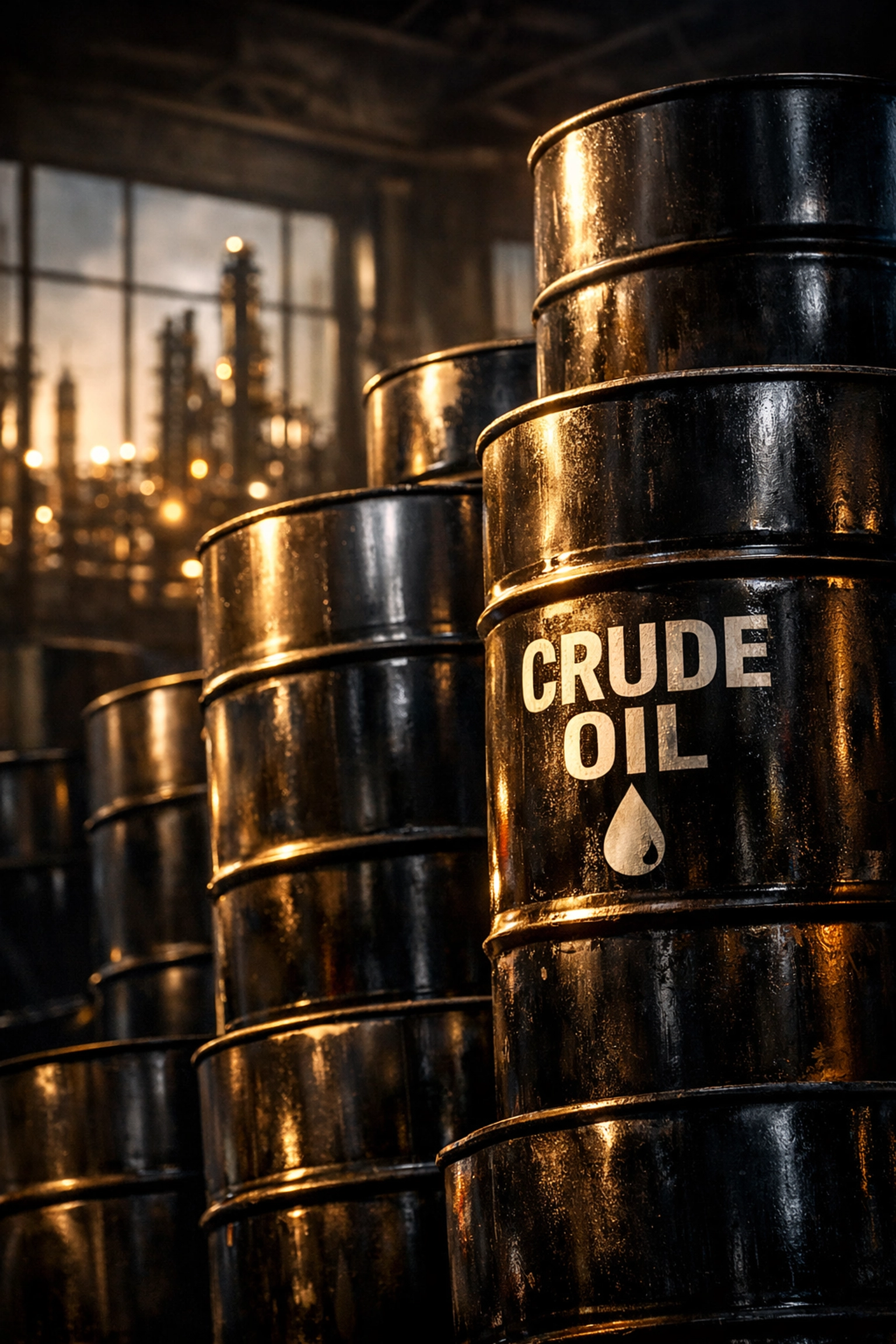
Global energy demand continues growing, particularly in developing economies, while the transition to renewable energy creates uncertainty about long-term supply investment. Geopolitical tensions in major producing regions introduce supply risk premiums that have little correlation with corporate earnings seasons or Federal Reserve decisions. OPEC+ production decisions create supply dynamics that operate on entirely different timelines than quarterly earnings reports.
The oil market also exhibits characteristics that make it valuable for portfolio construction beyond simple price appreciation. Oil futures typically exist in either contango or backwardation, creating yield dynamics through the futures curve that sophisticated investors can harvest. These roll yields represent an additional return component beyond spot price movements.
For investors concerned about inflation, energy commodities deserve particular attention. Energy costs feed into virtually every sector of the economy, from transportation to manufacturing to food production. When energy prices rise, they create ripple effects throughout the inflation basket. Holding energy commodity exposure provides direct protection against this specific inflation channel.
Gold: The Timeless Portfolio Anchor
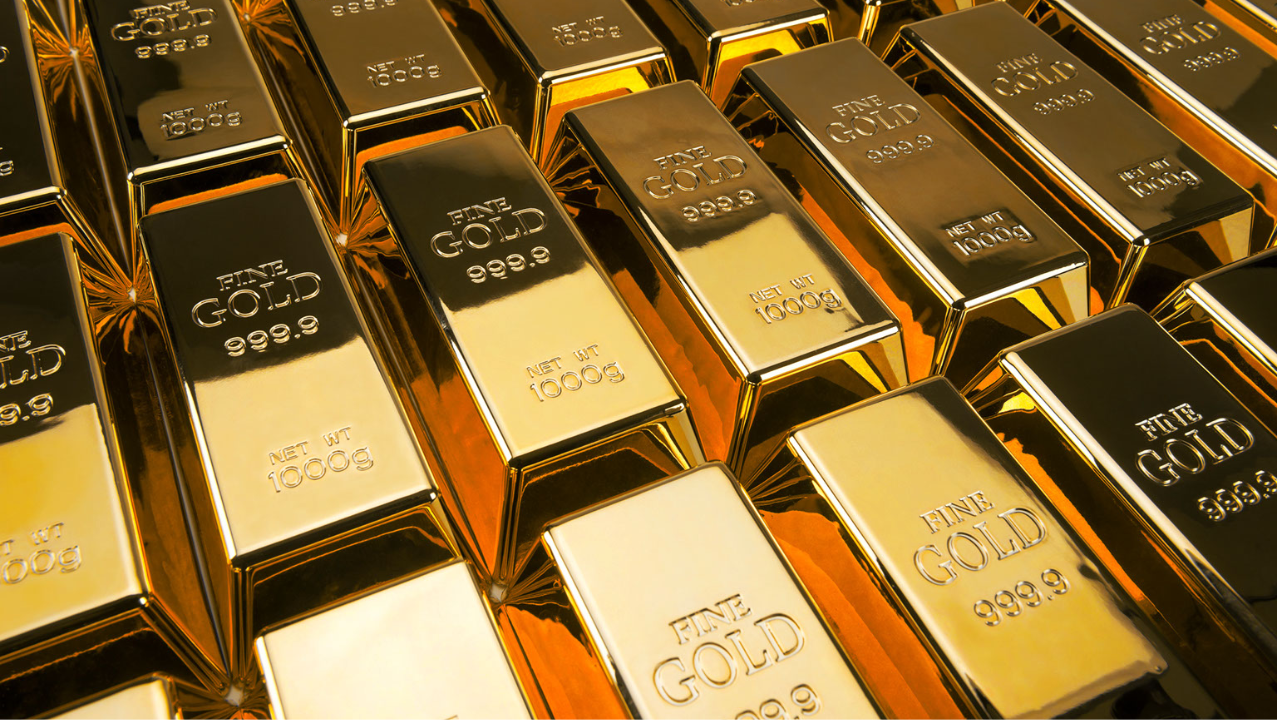
While oil exposure captures one dimension of commodity diversification, gold represents something fundamentally different. The gold price outlook reflects its unique position as both a commodity and a monetary asset.
Gold carries no yield, pays no dividend, and generates no cash flow. Critics point to these characteristics as fundamental weaknesses. But these same characteristics explain why gold behaves differently from financial assets during certain market environments.

When real interest rates fall: meaning nominal rates minus inflation: gold becomes more attractive relative to bonds. When currency debasement fears rise, gold strengthens as investors seek stores of value outside the fiat money system. When geopolitical tensions escalate, gold benefits from safe-haven demand in ways that equity market volatility indexes cannot capture.
The gold market also offers genuine diversification from oil and other cyclical commodities. Gold tends to strengthen during economic weakness and financial stress, while industrial commodities like copper or oil typically weaken. This internal diversification within the commodity sleeve can enhance risk-adjusted returns.
Central bank gold purchases have surged in recent years as countries seek to diversify their reserve holdings away from dollar-denominated assets. This structural demand creates a support level beneath gold prices that operates independently from investor sentiment in equity or bond markets.
Beyond Energy and Metals
While oil and gold capture much of the commodity investment conversation, the broader commodity universe offers additional diversification opportunities. Agricultural commodities respond to weather patterns, crop diseases, and dietary trends in emerging markets: factors with zero correlation to monetary policy or corporate profit margins.
Industrial metals like copper reflect global manufacturing activity and infrastructure investment, particularly in China. These demand drivers operate on different cycles than U.S. equity market rotations between growth and value stocks. Livestock markets respond to feed costs, consumer protein preferences, and disease outbreaks: again, independent variables from traditional asset class drivers.
The Bloomberg Commodity Index and S&P GSCI Index provide broad commodity exposure across sectors. Research shows that diversifying across commodity sectors: rather than concentrating in energy alone: can better diversify idiosyncratic risks and deliver higher risk-adjusted returns. Each sector brings distinct supply and demand dynamics that aren't fully represented in any single commodity position.
Practical Portfolio Construction
Research demonstrates that portfolios comprising stocks, bonds, and commodities have produced higher risk-adjusted returns than traditional 60/40 portfolios of stocks and bonds alone. Adding a commodities allocation with expected excess returns can shift the efficient frontier outward, improving portfolio efficiency.
The question becomes how much commodity exposure makes sense. Conservative allocations might start at 5% to 7% of total portfolio value, while more aggressive approaches could extend to 10% to 15%. The appropriate level depends on individual circumstances, risk tolerance, and existing portfolio composition.

Investors can access commodities through several vehicles. Commodity futures require significant expertise and active management. Commodity-focused mutual funds and ETFs offer more accessible exposure, though investors should carefully review fund methodologies. Some funds track spot prices while others use futures strategies. Physical ownership of gold through coins or allocated storage provides direct exposure without intermediaries, though this approach works less well for oil or agricultural products.
The timing of commodity allocation matters less than the consistency. Commodities provide diversification benefits across full market cycles rather than through tactical timing calls. Attempting to predict near-term oil price forecasts or gold price outlooks typically proves less valuable than maintaining steady strategic exposure that provides protection when traditional assets falter.
When Traditional Diversification Isn't Enough
The investment landscape has grown more complex. Monetary policy operates at the zero bound with massive balance sheet operations. Fiscal stimulus reaches unprecedented scales. Geopolitical tensions create supply chain disruptions. Climate change introduces new sources of commodity price volatility.
In this environment, portfolios need genuine diversification: exposure to return streams that operate independently from equity risk premiums and credit spreads. Commodities provide that exposure through their fundamental nature as physical assets with supply and demand dynamics disconnected from financial market sentiment.
The correlation of 0.27 with equities and −0.07 with fixed income represents more than statistical curiosities. These figures reflect underlying economic relationships that create meaningful portfolio benefits during periods when traditional diversification breaks down. For investors serious about portfolio construction that can weather multiple market environments, commodities represent not just an option but a missing piece that completes the diversification puzzle.
About Author