As geopolitical tensions reshape global trade, a major development is unfolding in the crypto space: China-based Bitmain Technologies Ltd.—the world’s dominant Bitcoin mining hardware producer—is preparing to open its first U.S. manufacturing facility. In a surprising twist, this move isn’t just about logistics or profit margins. It’s about politics, industrial strategy, and the growing belief that Bitcoin mining is now a national economic priority.
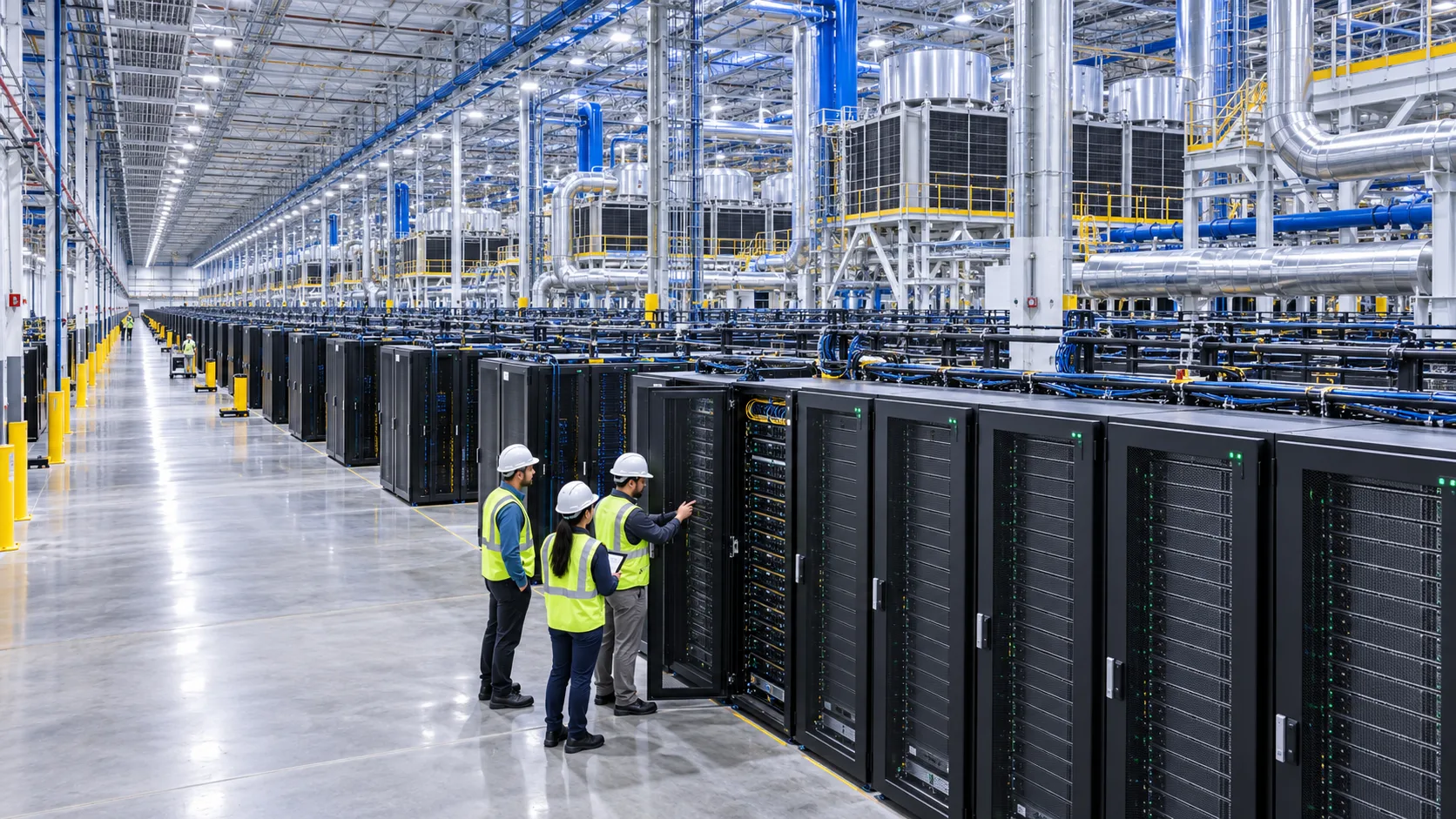
Bitmain’s upcoming plant, set to be located in either Texas or Florida, is expected to launch before the end of Q3 2025, with production beginning in early 2026. The expansion follows a turbulent period of U.S.-China trade relations and a new political climate where Bitcoin mining is becoming a strategic industry, favored by President Donald Trump and his allies.
Let’s break down what this means—and why investors should pay close attention.
Bitmain’s Strategic Shift: From Beijing to the U.S. Heartland
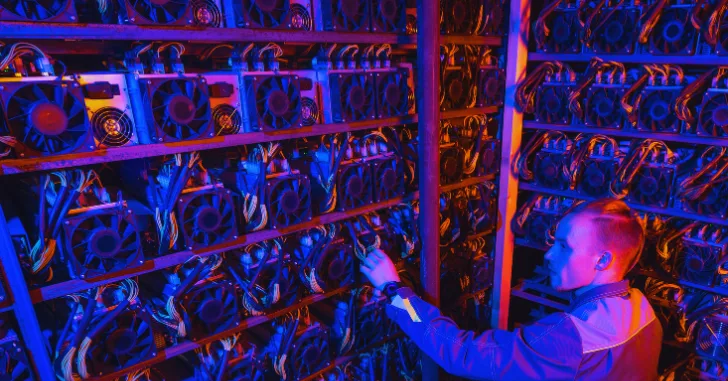
Founded in 2013, Bitmain has long been the titan of crypto mining equipment, known for its Antminer series of ASIC (application-specific integrated circuit) machines. Its global dominance has been challenged only intermittently by a few rivals, mostly U.S. upstarts like Block Inc. (formerly Square), Auradine, and other startups bankrolled by crypto-native capital.
But Bitmain’s grip on the U.S. market began to slip as the Trump administration escalated trade scrutiny. Customs and Border Protection delays hampered shipments. In January 2025, the Commerce Department blacklisted Bitmain’s AI affiliate, citing national security concerns around advanced chip production.
Amid this pressure, Bitmain decided to act. By building a factory in the U.S., it’s hedging against tariffs, gaining favor with a crypto-friendly White House, and removing logistical bottlenecks that have frustrated North American clients.
“The U.S. push for Bitcoin supremacy represents a unique opportunity,” said Irene Gao, Bitmain’s president of mining and chief global business officer, in a recent interview.
Trump’s Bitcoin Pivot and the “Made in America” Crypto Doctrine
President Trump’s aggressive rhetoric on reshoring critical industries—semiconductors, steel, auto parts—is now extending to Bitcoin mining. In campaign speeches and post-election comments, Trump has pledged to “concentrate mining operations in America,” aligning the crypto industry with broader nationalist economic themes.
This political support is more than just talk. In late 2024, Trump’s sons, Eric Trump and Donald Trump Jr., helped launch American Bitcoin Corp., a domestic mining venture partnered with Hut 8 Corp. and other U.S.-based firms. That group also ordered over 31,000 Bitmain rigs to be delivered in 2025.
Bitmain’s new U.S. plant plays directly into this Trump-era industrial policy. It’s a sign that even a Chinese tech behemoth recognizes the need to localize manufacturing to maintain relevance in a protectionist America.
Why Investors Should Care: Market Access, Risk Mitigation, and National Favor
This move isn’t just symbolic—it has real consequences for Bitmain’s business and the broader Bitcoin mining ecosystem.
1. Faster Delivery and Onshore Repairs
Currently, U.S. miners often wait weeks for parts and machines stuck in customs. Bitmain’s stateside factory will solve that, reducing shipping times, improving uptime, and cutting service backlogs. For large miners like Riot Platforms (RIOT), Marathon Digital (MARA), and CleanSpark (CLSK), this is a game-changer.
2. Tariff Insulation
Bitmain’s Southeast Asia factories are vulnerable to future tariffs or national security reviews. A U.S. facility shields the company from future punitive trade policies, especially if Trump continues cracking down on Chinese tech.
3. Political Leverage
With Trump’s crypto allies in high positions and federal support for domestic Bitcoin mining rising, Bitmain’s presence in America could grant it access to procurement contracts, energy deals, and regulatory goodwill.
The U.S. Bitcoin Mining Boom: A Multi-Billion Dollar Market
The U.S. is now the global leader in Bitcoin mining. After China banned crypto mining in 2021, the industry shifted west, with American firms rapidly scaling operations and going public. U.S. miners now dominate global hash rate (computing power used to secure the network), and investor interest in the sector has soared.
A few stats to underscore the opportunity:
| Company | Market Cap (as of July 2025) | Primary Business |
|---|---|---|
| Marathon Digital (MARA) | ~$8.1 billion | Bitcoin mining |
| Riot Platforms (RIOT) | ~$5.7 billion | Bitcoin mining |
| CleanSpark (CLSK) | ~$3.4 billion | Bitcoin mining |
| Bitmain (private) | Estimated $15–20 billion valuation | Mining hardware |
The entry of Bitmain into U.S. manufacturing infrastructure cements America’s dominance—not just in hash rate, but now potentially in hardware too.
Potential Risks: National Security, Export Controls, and Political Blowback
Despite the economic logic, Bitmain’s U.S. expansion carries risk.
1. Security Concerns Over Chinese-Owned Crypto Infrastructure
During the Biden administration, lawmakers raised red flags over foreign ownership in Bitcoin operations. While Trump is more crypto-friendly, bipartisan wariness of China remains. A future administration—or even a Republican Congress—could revive those concerns.
2. Export Control Ambiguity
Although Bitmain’s AI affiliate was blacklisted, it’s still unclear whether mining hardware—essentially specialized semiconductors—will face similar restrictions. The Commerce Department’s tightening grip on AI chips may one day extend to ASICs.
3. Labor and Operating Costs
Bitmain admitted U.S. labor costs are higher. Whether they can match the cost-efficiency of their Asian facilities remains to be seen. If margins shrink, the U.S. plant could be more of a political asset than a financial one.
Competitive Landscape: Can U.S. Hardware Makers Compete?
While Bitmain has the upper hand in global scale and R&D, several U.S. companies are trying to challenge its dominance:
- Auradine, backed by MARA, is developing next-gen mining chips with a focus on energy efficiency.
- Block Inc. (NYSE: SQ), under Jack Dorsey, is designing open-source mining rigs to decentralize hardware supply chains.
- Intel briefly entered the fray with its “Bonanza Mine” chip, though it has since scaled back.
But none of these challengers yet match Bitmain’s chip density, power efficiency, or global production capacity. A U.S. factory gives Bitmain the chance to crush the competition on their home turf.
What Comes Next?
Bitmain’s U.S. facility is expected to open before the end of Q3 2025, with initial hiring of 250 staff. Early production is planned for Q1 2026, scaling through the year.
Investors should watch:
- State Selection: Whether Bitmain chooses Florida or Texas will impact tax incentives, energy prices, and political alignment.
- Trump’s Support: Any formal endorsements or visits could solidify Bitmain’s U.S. standing.
- Regulatory Signals: Clarity from the Commerce Department on mining chip export rules may shape future hardware investments.
The Global Crypto Race Has a New Battleground
Bitmain’s U.S. expansion is not just another manufacturing decision—it’s a geopolitical chess move. With Bitcoin mining entering the national spotlight, and Trump framing it as a patriotic imperative, the next decade could be shaped by which countries control the flow of mining hardware.
For U.S. investors, this is a critical inflection point. As the Bitcoin halving nears in 2028, mining profitability will tighten, making hardware efficiency and supply chain reliability more important than ever. Bitmain’s stateside play could reshape which miners come out ahead—and which stocks dominate the next crypto bull cycle.
Sources:
- Bloomberg: China Crypto Firm Bitmain Plans First US Factory in Trump Gambit
- Yahoo Finance: Company Profiles
- CoinDesk: Bitcoin Mining Industry
About Author