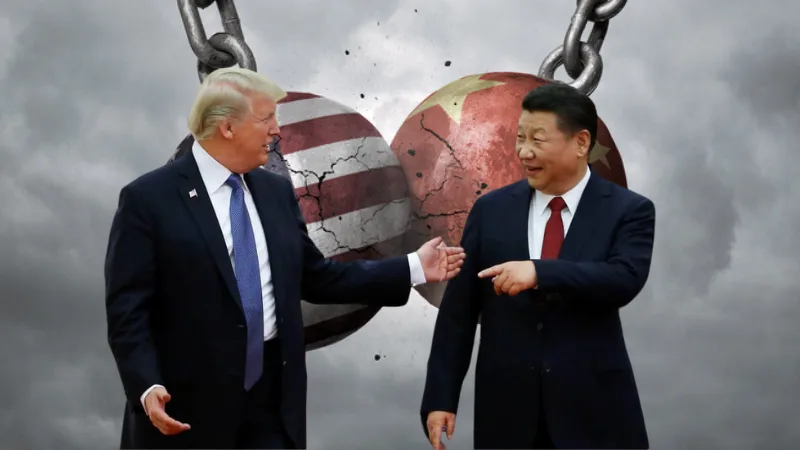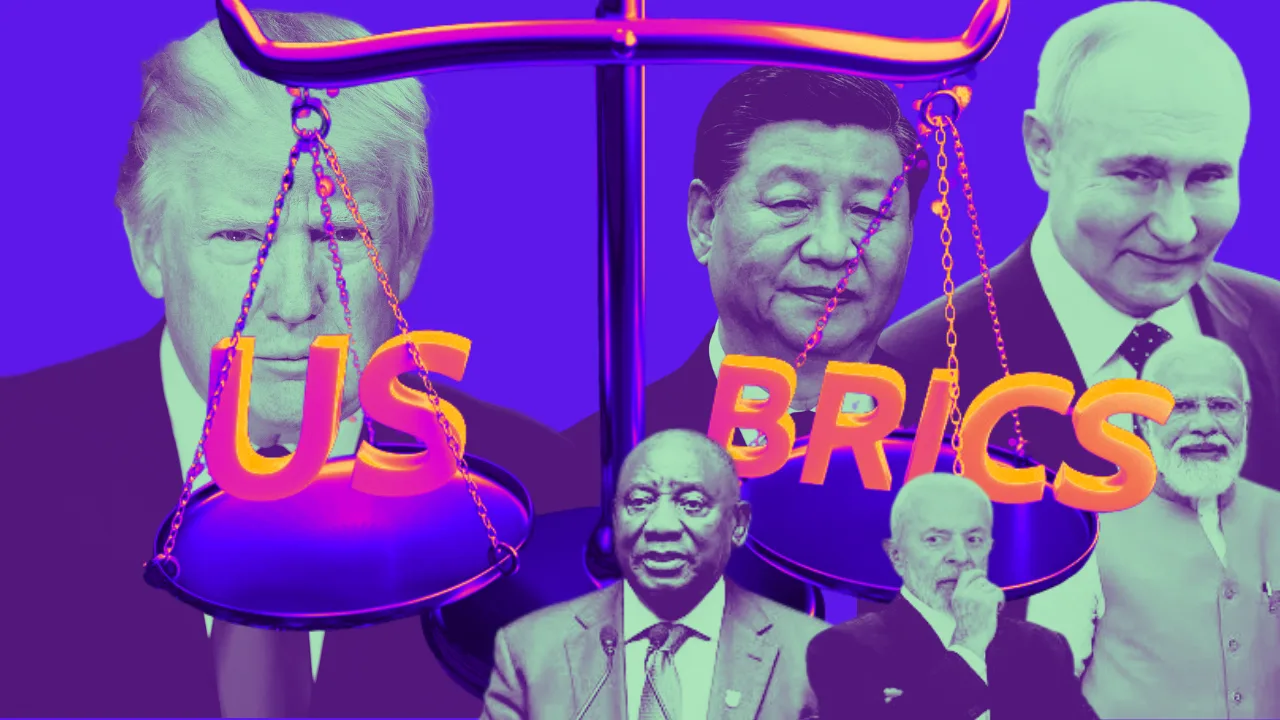
In an era of deepening geopolitical rifts, the BRICS bloc — a coalition of major emerging economies — has once again stepped into the spotlight with strong words and strategic silences. At its latest summit in Rio de Janeiro, the group condemned rising global tariffs and attacks on Iran, while carefully avoiding direct criticism of U.S. President Donald Trump. But since that statement, Trump himself has doubled down — confirming new tariff threats that could send fresh shockwaves through global markets.
For investors, this evolving story is about far more than just diplomatic statements. It’s a window into how protectionist policies, energy risks, and fragmented global alliances can impact markets, supply chains, and investment strategies for months to come.
A Divisive Summit: Who Was Missing and Why It Matters
Held over two tense days in Brazil, the summit was notable not only for what was said, but for who wasn’t there. China’s President Xi Jinping skipped his first BRICS summit since becoming China’s leader in 2012 — a rare sign of either domestic distraction or calculated distance. Russian President Vladimir Putin, wanted internationally over the Ukraine war, avoided travel altogether and dialed in via video link.
Despite these absences, the bloc — now expanded to include Indonesia, Iran, Egypt, Ethiopia, and the UAE — put out a unified statement hammering protectionism and military escalation in the Middle East. But with absentees at the top and disagreements within the group, doubts linger about BRICS’ power to shape a coherent alternative to Western-led systems.
Tariffs in the Crosshairs — But Trump Not Named
The final 31-page declaration took aim at rising tariffs, describing them as “inconsistent with WTO rules” and warning they “threaten to reduce global trade, disrupt global supply chains, and introduce uncertainty.”
This was a clear — if indirect — jab at President Trump’s aggressive tariff threats. The group pointedly avoided naming him, a sign that BRICS members want to push back rhetorically while minimizing direct retaliation.
Brazil’s President Luiz Inácio Lula da Silva, the summit host, went further in his opening speech. He slammed NATO’s pledge to ramp up military spending to 5% of GDP by 2035: “It is always easier to invest in war than in peace,” Lula said, highlighting the deepening divide between the Global North’s defense spending surge and the Global South’s calls for development and climate action.
Trump Escalates the Tariff Threat
Within hours of the summit’s close, Trump made his next move. In a new Truth Social post on July 7, he declared that any country seen as promoting “anti-American policies” through BRICS or alternative payment systems could face an additional 10% tariff on top of existing U.S. duties.
He also extended the previous tariff deadline from July 9 to August 1, giving businesses a few more weeks of uncertainty — and investors a countdown clock to watch.
This is not a vague threat. Trump’s trade team has been signaling this direction for weeks, warning that the White House views the BRICS push for de-dollarization as a direct threat to U.S. dominance in global finance. Last year’s BRICS summit in Russia saw leaders, especially the Kremlin, tout alternatives to U.S.-controlled payment rails. Trump’s tariff hammer is now the response.
Market Response: Dollar Rises, Oil and Metals Stir
Financial markets wasted no time pricing in the risk. The U.S. dollar index (DXY) climbed back near 97, driven by investors flocking to the world’s reserve currency as a safe haven. Major emerging market currencies slipped slightly on the news.
In commodities, oil prices see-sawed. Iran’s seat at the BRICS table — and its harsh rhetoric against the U.S. and Israel — keeps energy traders on edge. While OPEC+ production decisions helped cool crude prices in the short term, the threat of a wider conflict involving Iran keeps a floor under oil.
Industrial metals softened a bit as traders worried about weakened global trade flows if tariffs ramp up. Meanwhile, gold found support from risk-off flows as traders hedged for more geopolitical friction.
Iran’s Message: The Middle East Risk That Won’t Go Away
At the summit, Iran’s Foreign Minister Abbas Araghchi delivered Tehran’s anger in blunt terms. He called for the world to hold Israel and the U.S. accountable for attacks on Iranian soil, warning that “the entire region and beyond will be damaged.”
Iran also pushed back against the BRICS call for a two-state solution to the Gaza crisis. On Telegram, Araghchi argued that the plan “will not work just as it has not worked in the past.”
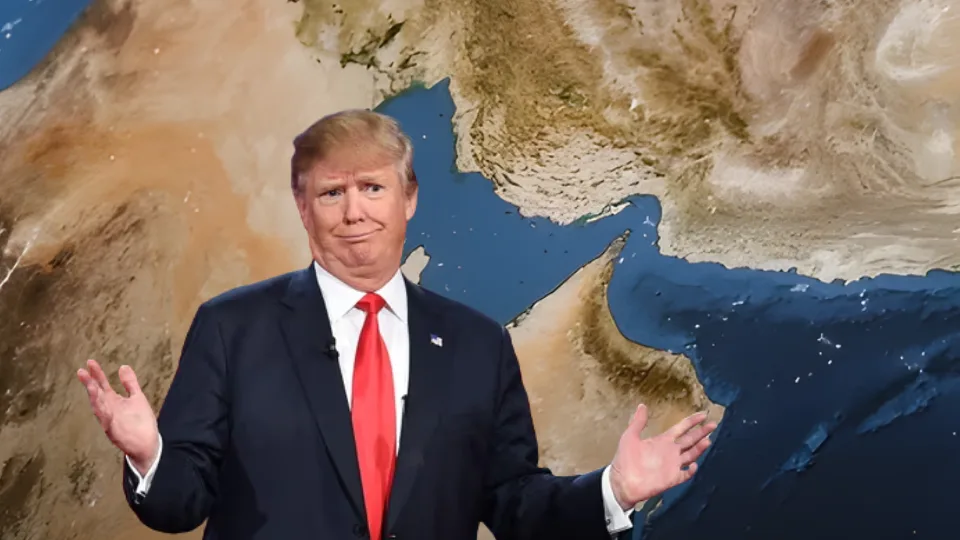
Translation for investors? Middle East flashpoints remain fully alive. Any sudden escalation — whether new strikes, regional retaliation, or shipping blockades near the Strait of Hormuz — could spike oil prices and ripple through global supply chains overnight.
Russia’s Special Treatment: Ukraine Barely Mentioned
While the BRICS bloc came out swinging against tariffs and Middle East wars, it offered only a token line on the conflict that remains Russia’s biggest liability: Ukraine.
The declaration condemned “in the strongest terms” recent Ukrainian attacks on Russia — but mentioned the broader war only once. “We recall our national positions concerning the conflict in Ukraine as expressed in the appropriate fora, including the U.N. Security Council and the U.N. General Assembly,” the statement read.
The reality is clear: BRICS members, many dependent on Russia’s oil, gas, or military partnerships, won’t fracture the bloc’s unity by challenging Moscow’s narrative.
Brazil’s Balancing Act: Don’t Poke the Tariff Bear
Brazil’s Lula is playing a delicate game. Even as he calls for reform of Western-led institutions, he’s keen to avoid putting Brazil’s export-heavy economy in Trump’s tariff crosshairs.
“Brazil wants the least amount of damage possible and to avoid drawing the attention of the Trump administration,” said Ana Garcia, a professor at the Rio de Janeiro Federal Rural University.
For now, Brazil is focusing on promoting trade inside the bloc, discussing “institutional development” to integrate new members, and pushing climate and health cooperation — all relatively safe ground compared to currency wars or open anti-dollar campaigns.
BRICS Risks Undercutting Its Own Credibility
João Alfredo Nyegray, a geopolitics professor at Brazil’s Pontifical Catholic University, summed up the summit’s awkward vibe: “This moment demands high-level articulation, but we are actually seeing dispersion.”
With big-name no-shows, muddled messaging, and conflicting national interests, BRICS’ ambition to be a powerful alternative to the G7 looks patchy at best. Yet, even an imperfect bloc can gum up global trade, unsettle dollar flows, and fuel commodity swings.
How to Position Now
So, what does all this mean for your portfolio? Here’s the hard-nosed takeaway:
✅ 1. Keep a Tariff Radar On
The August 1 deadline is your countdown. U.S. companies sourcing parts, finished goods, or raw materials from BRICS countries — think Brazil’s soybeans, India’s textiles, or South Africa’s minerals — face new cost risks. Supply chain realignments, nearshoring, and tariff hedges will be back in focus.
✅ 2. Dollar Strength Can Squeeze Returns
A stronger greenback punishes EM currencies and can dent returns for dollar-based investors holding foreign assets unhedged. Consider currency hedged EM ETFs or U.S.-denominated commodity plays.
✅ 3. Energy Geopolitics Demand a Hedge
Middle East tensions aren’t going away. A sudden oil spike is always one drone away. Having some exposure to oil majors or even gold remains a sensible insurance policy.
✅ 4. Watch Safe-Haven Flows
U.S. Treasuries and cash-equivalents may benefit if the tariff fight spooks markets into risk-off mode. Reassess portfolio liquidity and duration risks.
✅ 5. Don’t Bet Big on BRICS as a Cohesive Alternative
A fractured bloc means it won’t be toppling the dollar anytime soon. Any talk of a “BRICS currency” is still years away, if ever.
Trade Tensions Not Going Away
From Rio to Washington, the latest BRICS summit shows the same truth: global trade tensions are not going away, they’re mutating. Investors should expect more tariff threats, more Middle East flare-ups, and more currency skirmishes in the months ahead.
Smart money doesn’t panic — but it does position defensively, keeps dry powder for volatility, and watches every deadline. August 1 is next.
About Author