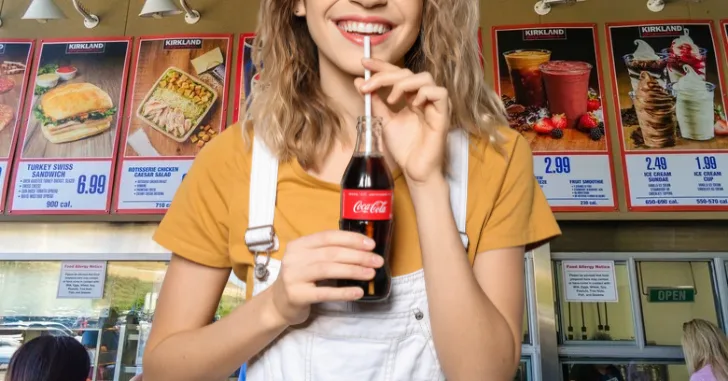
In a move that has set off buzz among Costco members and beverage market watchers alike, Costco Wholesale Corporation (NASDAQ: COST) has begun phasing out PepsiCo (NASDAQ: PEP) products in favor of Coca-Cola (NYSE: KO) at its iconic food courts. The transition, already underway as of July 2025, is expected to be completed at all Costco locations globally by the fall, according to a statement by Coca-Cola provided to Fox Business.
This seemingly simple change in fountain drinks carries broader implications for consumer behavior, brand loyalty, supply chain dynamics, and — importantly — investor sentiment in the retail and beverage sectors. As investors look for signs of changing tides in consumer markets, Costco’s beverage pivot deserves a closer look.
From Pepsi to Coca-Cola: The Backstory
Costco food courts have become a cultural touchstone, known for their budget-friendly menu staples like the $1.50 hot dog and soda combo — a price unchanged since the 1980s. But since 2013, that combo came with a Pepsi product. That era is now ending.
Ron Vachris, Costco’s relatively new CEO, signaled the coming change during the company’s January 2025 earnings call, stating the company planned to “convert our food court fountain business back over to Coca-Cola.” The switch officially began in early July, with locations already rolling out Coca-Cola branding, cups, and soda machines.
Coca-Cola, in its statement, noted that the rollout spans warehouses in 14 countries, reinforcing Costco’s global consistency strategy. Photos posted to Reddit and X (formerly Twitter) show Costco food courts already displaying Coca-Cola cups and signage in select U.S. locations.
Why Now? Strategic Timing Amid a Trump-Coca-Cola Narrative
The timing of the shift also overlaps with a high-profile message from President Donald Trump. In early July, Trump announced on Truth Social that Coca-Cola would begin using cane sugar instead of high-fructose corn syrup (HFCS) in its beverages sold in the United States. While Coca-Cola hasn’t confirmed this change, the claim thrust the beverage giant into the center of a national conversation around health, trade, and ingredients.
This narrative — tying Coca-Cola to a health-conscious reform and political support — may have provided a tailwind for its brand perception among American consumers. If the company is indeed shifting to cane sugar (as many of its global bottling operations already do), Costco’s alignment with Coca-Cola could signal a strategic brand match amid changing consumer tastes.
Chart: Coca-Cola vs. Pepsi Stock Performance (YTD)
| Ticker | YTD Performance (as of July 2025) | Dividend Yield | P/E Ratio | Market Cap |
|---|---|---|---|---|
| KO | +12.5% | 3.1% | 23.4x | $273B |
| PEP | +4.2% | 2.9% | 21.8x | $243B |
Coca-Cola has outperformed PepsiCo year-to-date in 2025, and this Costco contract could solidify further momentum.
Why the Switch Matters: Strategic and Financial Angles
1. Reasserting Coca-Cola’s Food Service Dominance
Costco’s return to Coca-Cola marks a strategic win in a long-standing rivalry between beverage giants. Food service contracts — like those with fast-food chains, amusement parks, and warehouse clubs — provide stable, high-volume distribution that supports brand visibility and long-term loyalty.
By recapturing the Costco contract, Coca-Cola regains exposure to a captive, value-driven consumer base. For context, Costco serves tens of millions of hot dogs and fountain drinks per year across its more than 900 warehouses worldwide — 625 of which are in the U.S.
2. Costco’s Emphasis on Experience and Consistency
Costco’s ancillary businesses, including optical centers, pharmacies, gas stations, and food courts, aren’t just extra perks — they’re key retention tools. The food court, in particular, is a major driver of repeat visits and loyalty. By standardizing its beverage lineup with Coca-Cola across 14 countries, Costco enhances operational consistency and potentially unlocks global bulk pricing advantages.
As CEO Ron Vachris mentioned in Costco’s Q3 earnings call, the company plans to reach 914 warehouses by the end of the fiscal year, with openings in the U.S., Canada, and Mexico in August alone. That expansion will amplify the reach of Coca-Cola products even further.
3. Health Narrative, Public Sentiment, and Brand Identity
If Coca-Cola follows through on replacing HFCS with cane sugar in the U.S., the move could strengthen its health profile and differentiate it further from Pepsi. With consumers increasingly focused on ingredient transparency, especially Gen Z and millennial shoppers, beverage choices are no longer just about taste — they’re a statement.
For Costco, being associated with a brand that is perceived as moving toward cleaner ingredients (regardless of political influence) supports its value-driven and health-conscious image.
Investment Implications: Who Stands to Win?
Winners:
- Coca-Cola (KO): The Costco win reinforces KO’s dominance in food service, expands global exposure, and potentially aligns with a health-focused brand pivot. Long-term investors will note the sticky nature of these contracts and the added visibility.
- Costco (COST): The shift may seem minor on the surface, but it’s part of a broader strategy to enhance customer experience, unify global operations, and maintain Costco’s competitive edge. If Coca-Cola’s lineup does switch to cane sugar, Costco’s value combo could be perceived as not just affordable, but also marginally healthier.
Losers:
- PepsiCo (PEP): Losing Costco’s food court contract is a reputational and volume blow, especially given its decade-long relationship. While PepsiCo is well diversified, with Frito-Lay and Quaker as major revenue contributors, losing a top retail partner can lead to ripple effects in future negotiations with other chains.
- Corn Syrup Industry: Though still speculative, if Trump’s influence drives major soda makers away from HFCS, companies tied to the corn syrup supply chain could see contracting demand. Archer-Daniels-Midland (NYSE: ADM), one of the largest HFCS producers, has already seen its stock pressured by the cane sugar narrative.
What Investors Should Watch Next
1. Coca-Cola’s Q3 Earnings (October 2025)
Investors should watch for any commentary confirming the rumored shift to cane sugar and early sales figures tied to Costco’s rollout. If Coca-Cola leans into this narrative, it could influence broader distribution deals with other retailers and food chains.
2. Costco’s Q4 Results (Late September 2025)
Costco’s financials may not break out beverage margins explicitly, but investors can look for foot traffic data and any mention of enhanced food court performance. Margins from ancillary businesses like food courts have been increasingly emphasized during earnings calls.
3. Political Influence on Consumer Brands
Trump’s public support of Coca-Cola and his broader focus on American manufacturing and agriculture (e.g., pushing cane sugar over imported corn syrup) may shape brand choices among conservative-leaning companies or retailers looking to hedge political risk.
Final Thoughts: A Small Cup with Big Implications
Costco’s decision to bring back Coca-Cola might seem like a nostalgic product swap — and for some members, that’s all it is. But for investors, it’s a signal.
It’s a reflection of shifting consumer expectations, potential health branding shifts, renewed food service competition, and how political figures can still move markets and shape narratives. For investors in Costco, Coca-Cola, PepsiCo, and the broader supply chain, these beverage decisions offer insight into strategic priorities and potential earnings leverage points.
Sources:
- Fox Business – Costco Switches to Coca-Cola
- CNBC – Costco Earnings
- Coca-Cola Investor Relations
- PepsiCo Investor Relations
- Costco Store Count
About Author