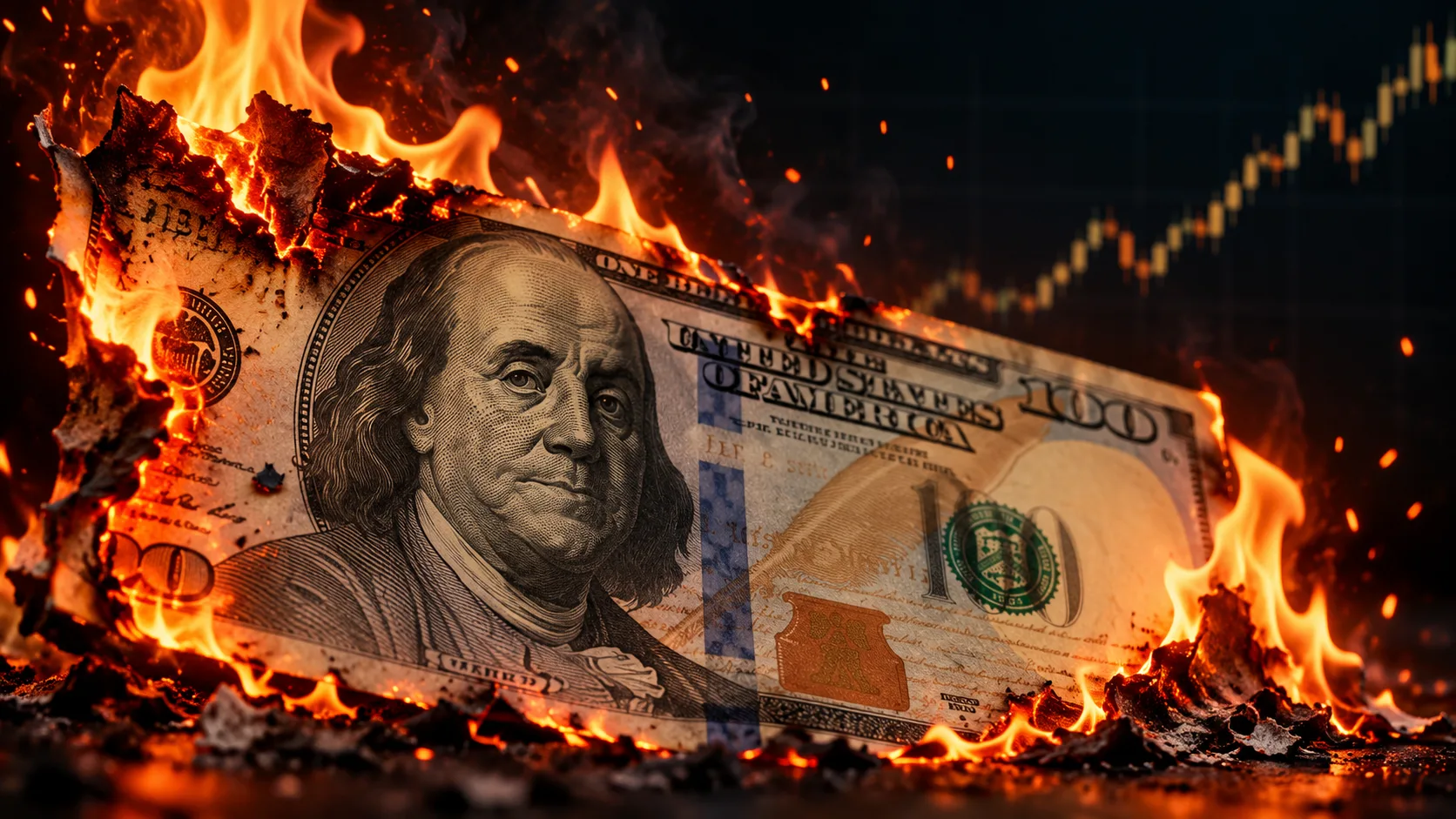
Wall Street seems almost indifferent to the latest government shutdown. Stocks remain near record highs, volatility is subdued, and risk assets like Bitcoin continue to surge. The message from investors is clear: politics may dominate headlines, but profits and monetary policy are what really drive markets.
Calm Markets, Even With Washington Gridlock
The Cboe Volatility Index (VIX), often called the market’s “fear gauge,” is sitting in the mid-to-high teens. That’s not a panic level. Instead, it signals a market environment where investors are still comfortable putting money to work.
Nvidia, Micron, and Taiwan Semiconductor are trading strongly, helping keep major indexes near all-time highs. Bitcoin, often viewed as a barometer for risk appetite, has also rallied. If there were genuine fear, these assets would be selling off.
Why Weak Data Looks Like Good News
Shutdowns disrupt the flow of government reports, including jobless claims and the monthly employment report. But private data sources like ADP are still offering insights—and ADP’s latest release showed a sharper slowdown in hiring.
Normally, weaker jobs data would raise alarm. But in this case, investors see it as a signal that the Federal Reserve will have more room to cut interest rates. Futures markets are already pricing in another rate cut at the Fed’s October meeting, which is supporting risk assets.
Earnings Season Could Keep the Rally Alive
The next major market catalyst isn’t Washington—it’s corporate earnings. Reports kick off with companies like Constellation Brands, McCormick, Pepsi, Delta, and Levi Strauss, followed by the big banks later in the month.
Analysts expect nearly 8% year-over-year earnings growth for the S&P 500 in the third quarter, according to FactSet. Strong profit growth, combined with easier Fed policy, is a recipe for stocks to grind higher even while D.C. is paralyzed.
Valuations Are High but Investors Don’t Care
The S&P 500 is trading at more than 22 times forward earnings, above its five-year average of 19.5. By traditional measures, stocks are expensive. But as long as corporate profits hold up and rates head lower, investors are willing to pay the premium.
As Keith Lerner of Truist Advisory Services put it, “profits remain strong and continue to serve as the north star for stocks.”
Bonds and Credit Markets Still Look Stable
The resilience isn’t limited to equities. Corporate bond strategists note that even lower-rated companies are facing little default risk right now, with investors being compensated by double-digit yields. That confidence reflects belief in underlying economic strength, not shutdown fears.
Why Shutdowns Rarely Rattle Markets
Since the 1970s, the U.S. has experienced more than 20 government shutdowns. Most have been short-lived, and markets historically shake them off quickly. This time is no different—so far.
Still, some analysts warn that if the current shutdown drags beyond two weeks, it could start to matter. Without fresh data, both the Federal Reserve and investors are “flying blind.” A longer stalemate could push investors toward safe havens like gold, short-term bonds, or cash.
Gold’s Rise: More Than Just Politics
Gold prices, now near $3,900 an ounce, are benefiting from both shutdown uncertainty and expectations of lower interest rates. A weaker U.S. dollar is adding fuel to the rally.
Investor Takeaway
The market’s reaction—or lack thereof—to the government shutdown underscores a broader truth: earnings and monetary policy carry more weight than Washington dysfunction.
- Short-term: Shutdowns rarely derail stocks unless they drag on for weeks.
- Medium-term: Rate cuts and earnings growth are supporting asset prices.
- Long-term: Valuations remain stretched, meaning complacency could set investors up for trouble if growth slows or political risk escalates.
For now, investors are right not to panic. But ignoring Washington completely is risky. A prolonged shutdown could change the equation, especially if it undermines confidence in U.S. economic data and fiscal stability.
About Author