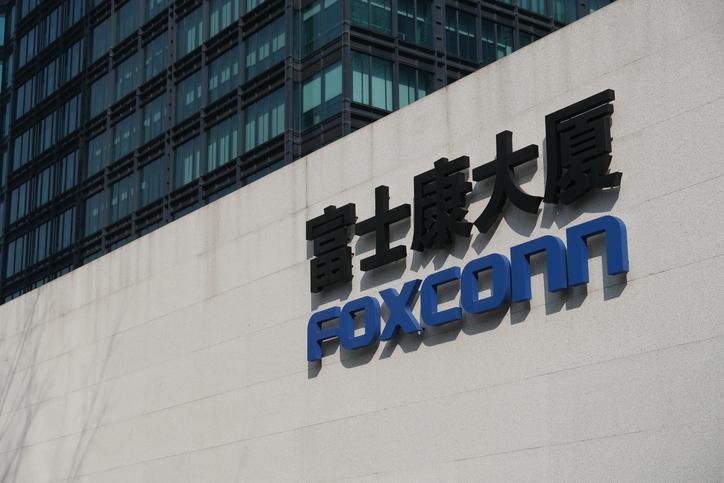
Foxconn is withdrawing from a $19.5 billion joint venture with Vedanta to create a semiconductor facility in India. The decision is a setback for India’s goals of becoming a leading global chip manufacturing nation.
The biggest contract electronics manufacturer in the world, Foxconn is a significant supplier to Apple. Foxconn said that the plant in India would make semiconductors for Apple and other clients.
According to reports, a combination of factors, including the slow rate of government clearances and worries about the availability of competent workers, contributed to the decision to withdraw from the joint venture.
Foxconn’s decision to leave is a setback for India’s attempts to entice investment in the semiconductor industry. To lessen its reliance on imports, the nation has been working to establish a domestic semiconductor sector.
Tax cuts and affordable land are only two of the incentives the Indian government provided to entice investment in semiconductors. The absence of a robust ecosystem of suppliers and the high cost of doing business are two issues the nation still has to deal with.
Foxconn’s future involvement in India’s semiconductor industry is uncertain. The company’s decision to leave, however, serves as a reminder of the difficulties India has in luring foreign investment in this crucial industry.
Here are the key takeaways from Foxconn’s departure.
- The joint venture was announced in February 2022 and was expected to create 10,000 jobs.
- The plant was to be built in Gujarat, India, and would have produced semiconductors for Apple and other customers.
- The decision to pull out was reportedly due to a number of factors, including:
- The slow pace of government approvals.
- Concerns about the availability of skilled labor.
- The high cost of doing business in India.
- The withdrawal of Foxconn is a setback for India’s plans to become a global semiconductor manufacturing hub.
- The Indian government has offered a number of incentives to attract semiconductor investment, but the country still faces a number of challenges, including the lack of a strong ecosystem of suppliers.
Why is India have a hard tie attracting foreign investment?
- Lack of a strong ecosystem of suppliers.
- High cost of doing business in India.
- The slow pace of government approvals.
- Lack of skilled labor.
About Author