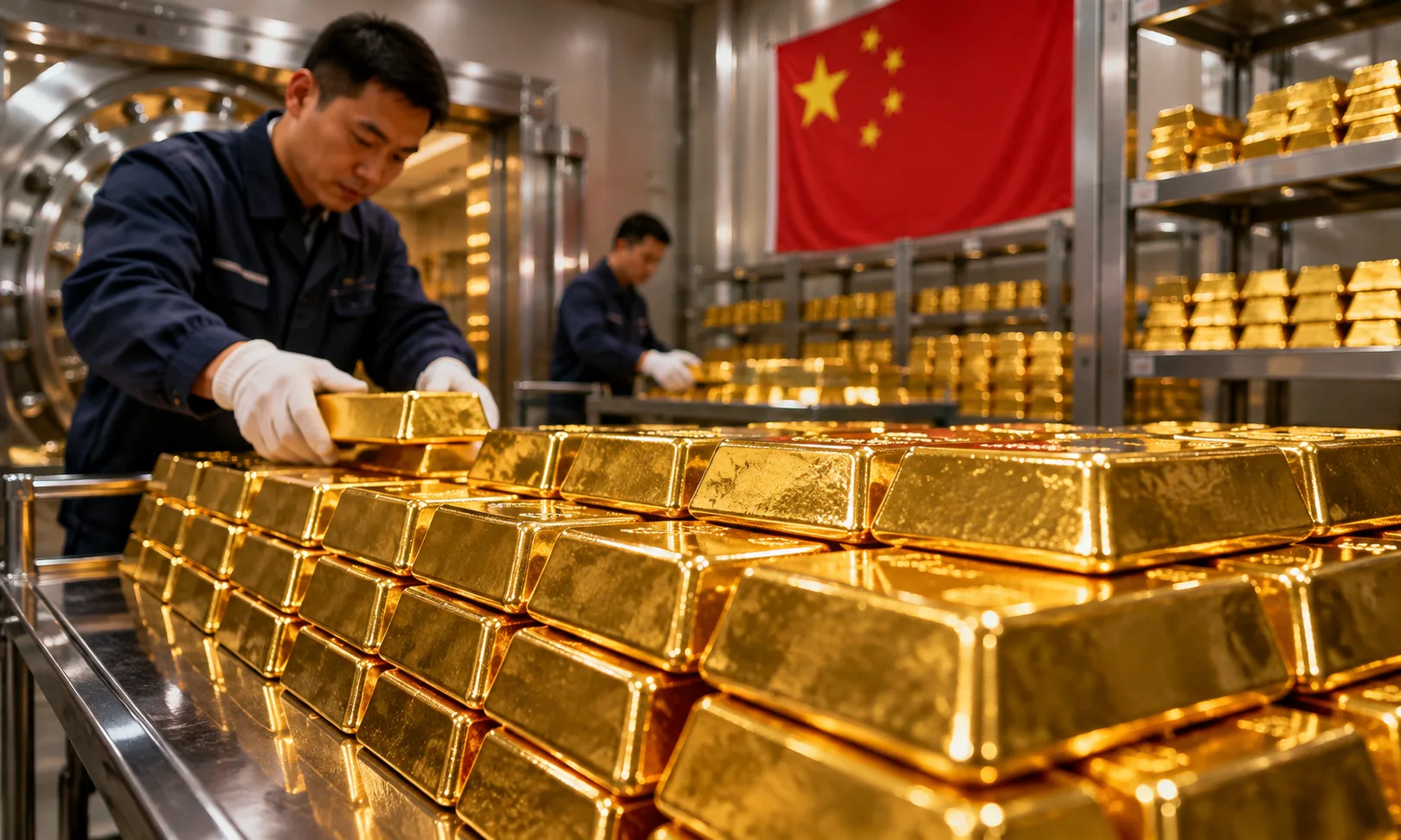
After soaring above $5,300 per troy ounce earlier this year, the precious metal has surrendered roughly a quarter of its value as investors increasingly focus on higher interest rates rather than geopolitical turmoil. Monday’s renewed military exchanges between the United States and Iran briefly rattled markets, but instead of pushing gold higher, prices fell another 2.6%, dropping below the psychologically important $4,000 level.
The move is forcing many investors to reconsider one of the market’s most popular safe-haven trades of the past two years.
Higher Interest Rates Are Becoming Gold’s Biggest Headwind
For much of the past year, gold benefited from nearly every major macroeconomic concern.
Persistent inflation, trade tensions, expectations of Federal Reserve rate cuts, and geopolitical uncertainty all fueled demand for the metal as investors searched for protection against economic volatility.
Today, that equation has changed.
Instead of expecting lower interest rates, investors are increasingly preparing for the possibility that the Federal Reserve may keep monetary policy tighter for longer.
Gold generates no income. Unlike Treasury bonds or money market funds, it pays no interest or dividends. As bond yields rise, the opportunity cost of holding gold increases, making income-producing assets relatively more attractive.
That dynamic has become the dominant force driving gold prices.
Suki Cooper, head of commodities research at Standard Chartered Bank, said expectations for higher rates have significantly weighed on investor demand.
According to Cooper, elevated inflation has increased the perceived opportunity cost of owning gold, creating pressure on prices despite ongoing geopolitical risks.
Why Iran Tensions Didn’t Send Gold Higher
Historically, military conflict in the Middle East has often sparked sharp rallies in gold.
This time has been different.
Although renewed U.S. and Iranian strikes over the weekend pushed Brent crude oil nearly 10% higher Monday, gold moved in the opposite direction.
Many investors now believe the Federal Reserve’s response to higher oil prices could matter more than the conflict itself.
If energy costs continue pushing inflation higher, policymakers may delay future rate cuts or even consider additional tightening, creating another obstacle for gold prices.
Rather than buying gold on geopolitical headlines, investors are increasingly watching inflation reports and central bank decisions.
State Street Investment Management’s head of gold strategy, Aakash Doshi, said the market is treating temporary flare-ups in the Middle East as short-term events instead of long-lasting structural changes.
His view reflects a broader shift across financial markets, where monetary policy has overtaken geopolitical news as the primary driver of gold prices.
Inflation Data Could Be the Next Major Catalyst
The next key test for gold may arrive with upcoming inflation data.
Consumer prices accelerated to 4.2% in May, the highest reading in three years, largely due to rising energy costs following the Iran conflict.
Markets are now closely watching June’s Consumer Price Index release for additional clues about the Federal Reserve’s next move.
If inflation remains stubbornly high, expectations for prolonged elevated interest rates could continue weighing on precious metals.
Conversely, evidence that inflation is beginning to cool could revive expectations for eventual Fed easing and provide support for gold.
The inflation report may ultimately carry far more weight than the latest geopolitical developments.
Central Banks Are Also Influencing Prices
Another factor adding pressure has been activity among global central banks.
According to Alex Shahidi, co-chief investment officer at Evoke Advisors, some central banks have sold portions of their gold holdings to improve liquidity amid rising energy costs and increased financial uncertainty.
While central banks remain significant long-term buyers overall, even modest shifts in official-sector activity can influence short-term price movements because of the scale involved.
Combined with weaker investor demand through gold-backed exchange-traded funds, these flows have contributed to gold’s recent correction.
The SPDR Gold Shares ETF (GLD), the world’s largest gold ETF, has fallen roughly 26% from its January peak.
Silver has experienced an even steeper decline, losing approximately half its value from its record high earlier this year.
Long-Term Gold Investors Aren’t Panicking
Despite the sharp pullback, many longtime gold investors remain largely unfazed.
Stu Bradley, an 83-year-old retired financial adviser from Michigan, chose to trim part of his holdings near January’s peak after believing prices had climbed too far, too quickly.
He still maintains approximately 10% of his investment portfolio in gold and silver, viewing the position as long-term insurance rather than a short-term trade.
Another longtime investor, Richard Elias of St. Louis, has held gold since the aftermath of the 2008 financial crisis.
His allocation represents roughly 3% of his portfolio, and he has gradually shifted part of that investment into physical gold coins.
For investors like Elias, the current decline represents normal market volatility rather than a reason to abandon the asset altogether.
What Investors Should Watch Now
Gold’s next major move will likely depend less on daily headlines from the Middle East and more on the Federal Reserve.
Several developments deserve close attention:
- Upcoming CPI and PCE inflation reports.
- Federal Reserve guidance on future interest-rate policy.
- Treasury yield movements.
- Oil prices and whether energy inflation persists.
- Continued central bank buying or selling activity.
- Flows into gold-backed ETFs.
If inflation begins easing and investors regain confidence that interest-rate cuts are approaching, gold could stabilize after its sharp correction.
However, if inflation remains elevated and bond yields continue climbing, the metal may face additional downside despite ongoing geopolitical uncertainty.
For now, Wall Street appears to be sending a clear message: interest rates matter more than fear.
About Author