The "safe haven" debate between gold and silver isn't just academic theory in 2026: it's a practical question with real consequences for your portfolio. As of February 9, silver has already appreciated 11% this year, driven by geopolitical tensions and Federal Reserve uncertainty. Gold, meanwhile, continues its steady climb with volatility that's roughly half of silver's wild swings.
The short answer: Gold is the more reliable wealth protector. Silver is the higher-risk, higher-reward play. But the devil is in the details, and understanding which metal fits your specific situation requires looking at how each one actually behaves when markets get choppy.
Why Gold Remains the Classic Safe Haven
Gold's reputation as a store of value isn't marketing hype: it's backed by decades of performance data. From 1990 to 2024, gold delivered an average annual return of 10.6% with a maximum drawdown of 25.1%. That's impressive consistency for an asset class that's supposed to protect you when everything else is falling apart.
The key advantage gold holds over silver is its lower volatility. Gold's average annual price volatility sits at 14.7%, compared to silver's 26.6%. That difference matters enormously during market stress. When investors panic and rush toward safety, gold is the first asset they reach for: not silver.
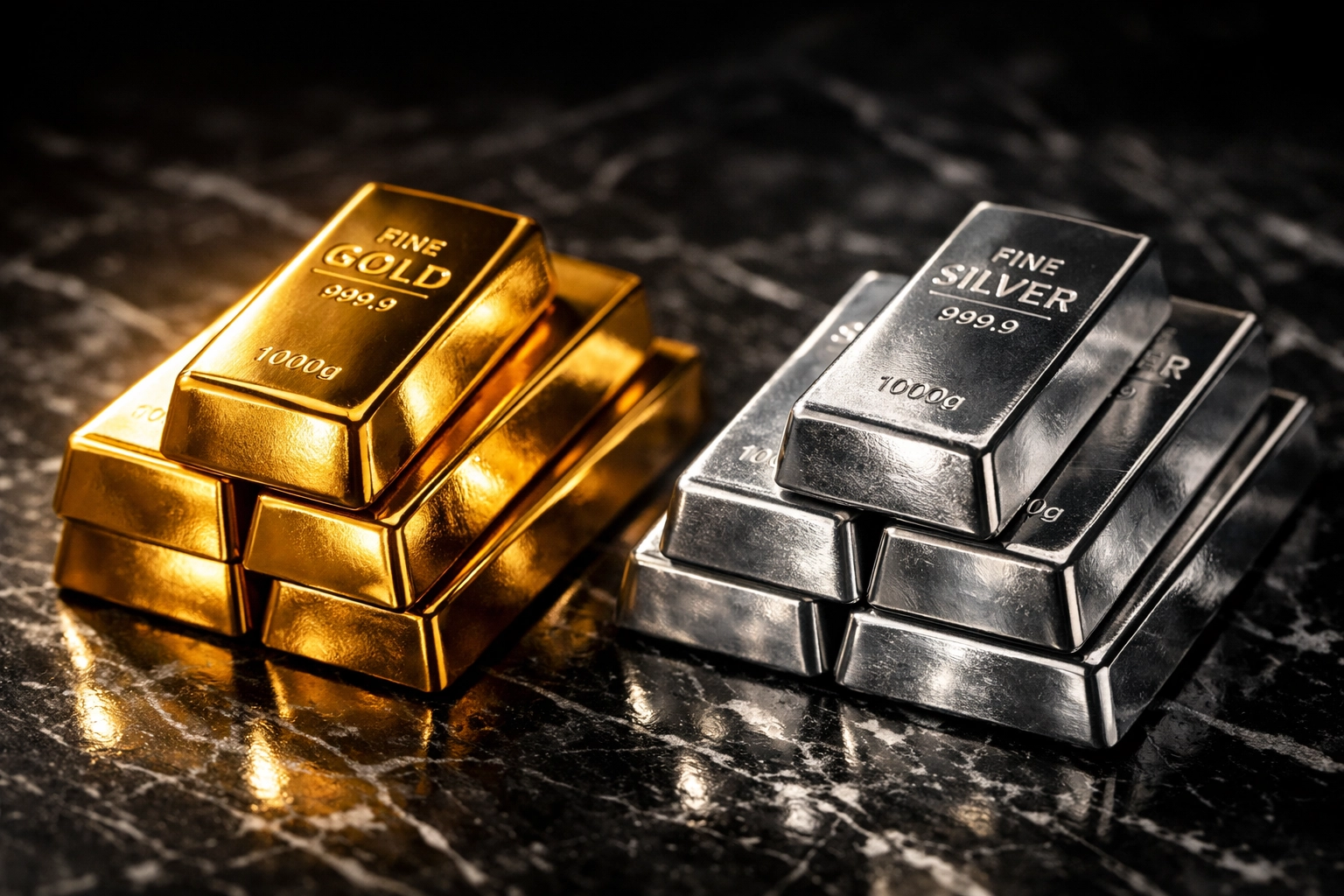
Gold's value is driven primarily by investment demand rather than industrial cycles, which insulates it from the economic sensitivity that makes silver so unpredictable. During the 2008 financial crisis, gold climbed even as industrial demand collapsed across the board. It functions as a pure monetary asset, independent of whether factories are running or manufacturing is slowing down.
For 2026, the macroeconomic backdrop supports gold's continued strength. Federal Reserve policy remains uncertain, geopolitical risks from trade tensions to regional conflicts persist, and US policy uncertainty under new leadership keeps investors defensive. Gold thrives in this environment because it doesn't require economic growth to maintain value: it just needs uncertainty.
Silver's Dual Nature: Precious Metal Meets Industrial Commodity
Silver occupies a strange middle ground that makes it both interesting and dangerous, depending on your goals. Roughly 50% of silver demand comes from industrial applications: electronics, solar panels, electric vehicle components, and manufacturing. The other half comes from investment demand and jewelry.
This dual nature is silver's defining characteristic. When the economy accelerates and industrial demand strengthens, silver can dramatically outperform gold. But when manufacturing slows, silver gets hit from both sides: declining industrial use and reduced investment appeal. You're essentially making two bets when you buy silver: one on precious metal demand and another on economic activity.
The Silver Institute forecasts potential gains of 20-40% for silver in 2026 compared to late 2025 levels, supported by a supply deficit and rising physical investment demand projected to increase 20%. That's an aggressive forecast that reflects silver's explosive upside potential. But the flip side is equally dramatic: silver experienced maximum losses of 54.0% during the same 1990-2024 period that saw gold drop only 25.1%.

Industry analysts note that a 1-2% decline in gold prices can translate into a 10-15% drop in silver. This multiplier effect works in both directions, which is why silver tends to outperform during bull markets but underperform badly during selloffs. If you're buying silver, you need to be comfortable with that volatility: or prepared to dollar-cost average through significant drawdowns.
The Price Level Picture for 2026
While precise forecasts from institutions like J.P. Morgan shift with market conditions, the general range expectations for 2026 provide useful guideposts for investors.
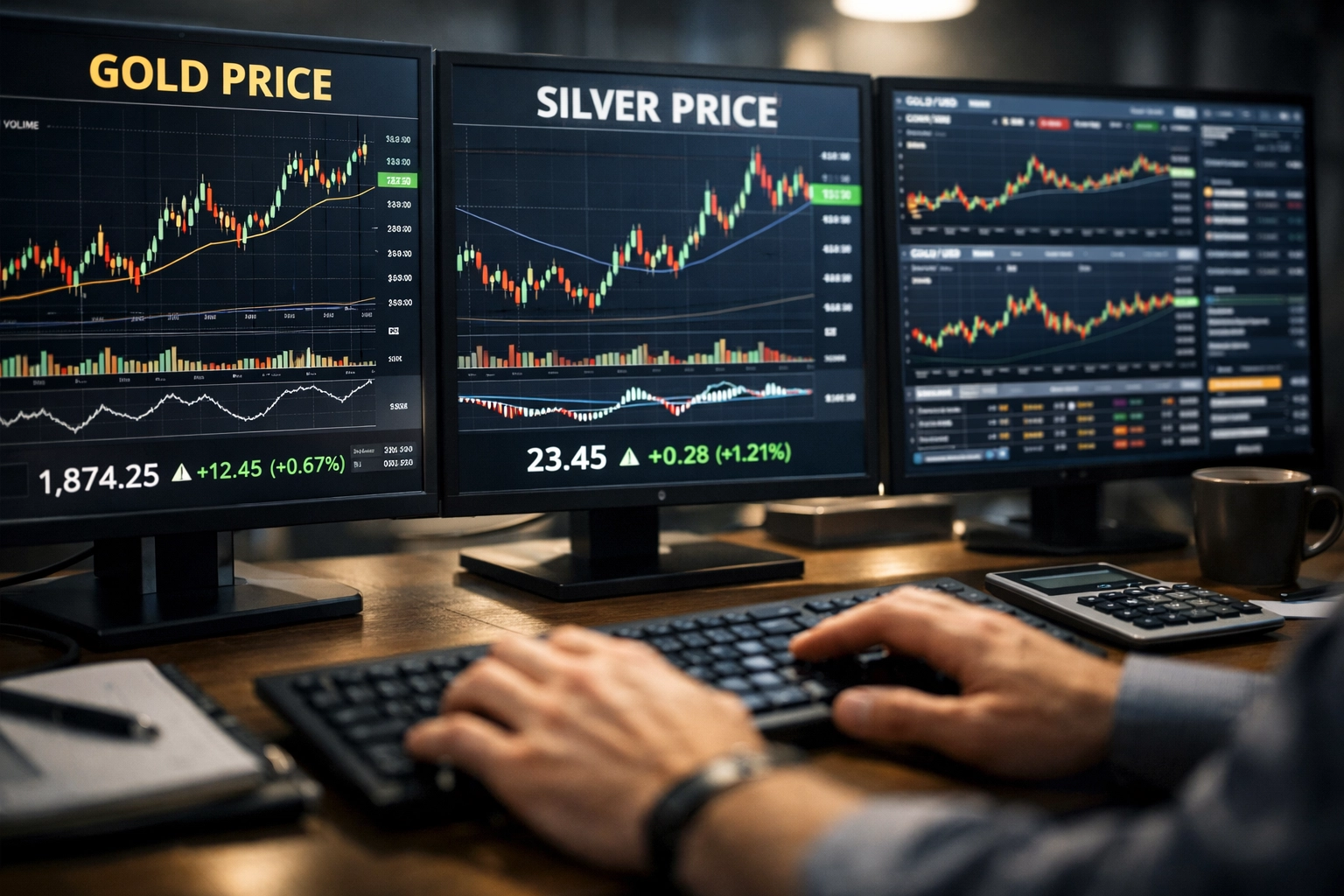
Gold has established strong support levels and continues to benefit from central bank buying, particularly from emerging market nations diversifying away from dollar reserves. The technical picture shows gold consolidating recent gains rather than showing signs of exhaustion. Resistance levels that held in previous years have turned into support, suggesting the long-term trend remains intact.
Silver's price action has been more volatile but equally compelling for those willing to stomach the swings. The metal's industrial demand story centers on the energy transition: solar panel production alone accounts for a significant portion of new silver demand. As countries push toward renewable energy targets, this industrial tailwind supports higher silver prices even during periods when investment demand softens.
The supply deficit in both markets adds another dimension. Silver mining output hasn't kept pace with demand growth, and primary silver mines (rather than silver produced as a byproduct of other mining) face higher production costs. This supply constraint creates a floor under prices that wasn't present in previous cycles.
Which Metal Fits Your Portfolio?
The decision between gold and silver comes down to three factors: your time horizon, risk tolerance, and what you're actually trying to accomplish.
Choose gold if:
- Your primary goal is wealth preservation during uncertain times
- You want an asset that holds value when confidence in financial markets wavers
- You're looking for stability and don't need explosive upside potential
- You're near or in retirement and can't afford significant volatility
- You view precious metals as insurance rather than speculation
Choose silver if:
- You have a higher risk tolerance and longer time horizon
- You believe economic recovery and industrial demand will accelerate
- You're willing to endure 20-30% drawdowns for the potential of 40%+ gains
- You want exposure to both precious metal dynamics and industrial growth
- You're younger and can afford to ride out volatility
Consider both if:
- You want stability from gold with growth potential from silver
- You're building a diversified precious metals allocation
- You can rebalance periodically to maintain your target ratio
- You understand that the two metals serve different purposes
Many professional investors address the gold-silver question by holding both, typically with a heavier allocation to gold. A common approach uses a 70/30 or 80/20 split favoring gold, providing stability while capturing some of silver's upside potential. This blended approach acknowledges that predicting which metal will outperform in any given year is difficult, so diversification across both makes sense.
The Practical Considerations
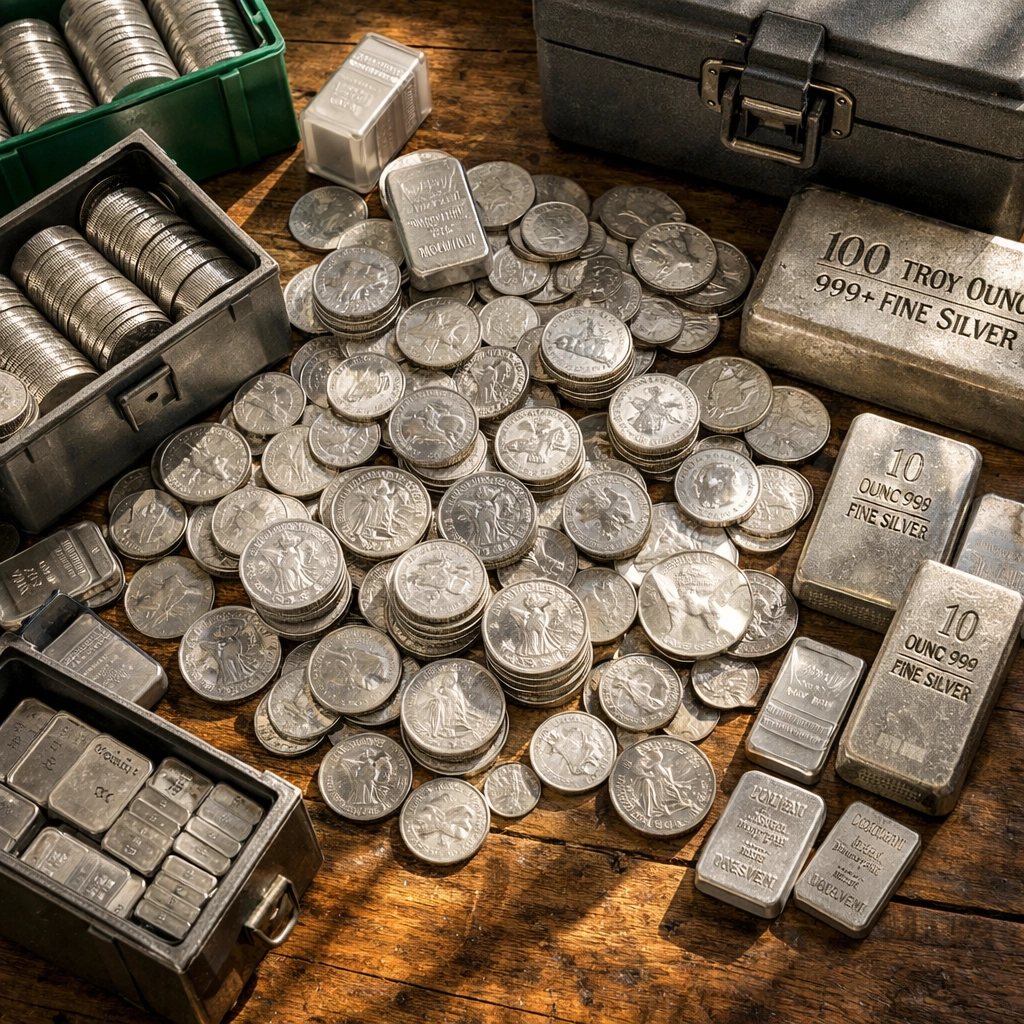
Beyond returns and volatility, physical logistics matter when investing in precious metals. Gold's higher price per ounce means less physical storage space is needed for a given dollar amount. A $10,000 investment in gold might fit in your hand, while the same investment in silver requires significantly more space.
Transaction costs also differ. Silver's lower price point means buying and selling spreads can take a larger percentage bite out of your investment. If you're using physical coins or bars, premium markups over spot price tend to be higher on a percentage basis for silver than gold.
For investors using ETFs or other paper instruments, these physical considerations matter less, but liquidity and trading volume still favor gold. The largest gold ETFs trade billions of dollars daily with tight bid-ask spreads, while silver ETFs have lower volume and slightly wider spreads.
Tax treatment in the US classifies both metals as collectibles, meaning gains are taxed at a maximum rate of 28% rather than the preferential long-term capital gains rate. This applies whether you hold physical metal or ETFs backed by physical metal. Investors should factor this tax treatment into their expected after-tax returns.
The 2026 Outlook
Looking ahead through 2026, both metals face supportive fundamentals but for different reasons. Gold benefits from monetary uncertainty, geopolitical risks, and central bank buying that shows no signs of slowing. These factors create sustained demand independent of economic growth rates.
Silver's outlook is more tied to the broader economy and the pace of the energy transition. If manufacturing accelerates and solar installation rates continue climbing, silver's industrial demand story strengthens. But any slowdown in economic activity would pressure industrial demand even as investment demand potentially rises on safe-haven flows.
The dollar's direction plays a crucial role for both metals. A weaker dollar typically supports higher precious metal prices since metals are priced in dollars globally. Federal Reserve policy, US fiscal trajectory, and international currency dynamics all feed into dollar strength or weakness: making the Fed's decisions critical for precious metal investors.
For most retail investors focused on wealth protection in 2026, gold deserves the larger allocation. Its stability, lower volatility, and pure safe-haven characteristics make it more suitable for preserving purchasing power during uncertain times. Silver can absolutely have a place in your portfolio, but it should be sized according to your risk tolerance and recognition that it behaves more like a volatile commodity than a steady store of value.
The choice between gold and silver isn't binary: it's about understanding what each metal does well and building an allocation that matches your specific goals and risk profile. In 2026's uncertain environment, that likely means leaning toward gold's stability while potentially using silver as a smaller, more aggressive position for those comfortable with higher risk.
About Author