Violence across two of the world’s most important shipping corridors escalated sharply this week after an attack by Iran-backed Houthi rebels killed six people near the Red Sea and U.S. forces separately fired missiles at a commercial vessel in the Gulf of Oman.
The incidents mark another dangerous turn in a conflict that is increasingly threatening global shipping and energy supplies. They also come as oil prices climb and negotiations aimed at restoring normal traffic through the Strait of Hormuz remain stalled.
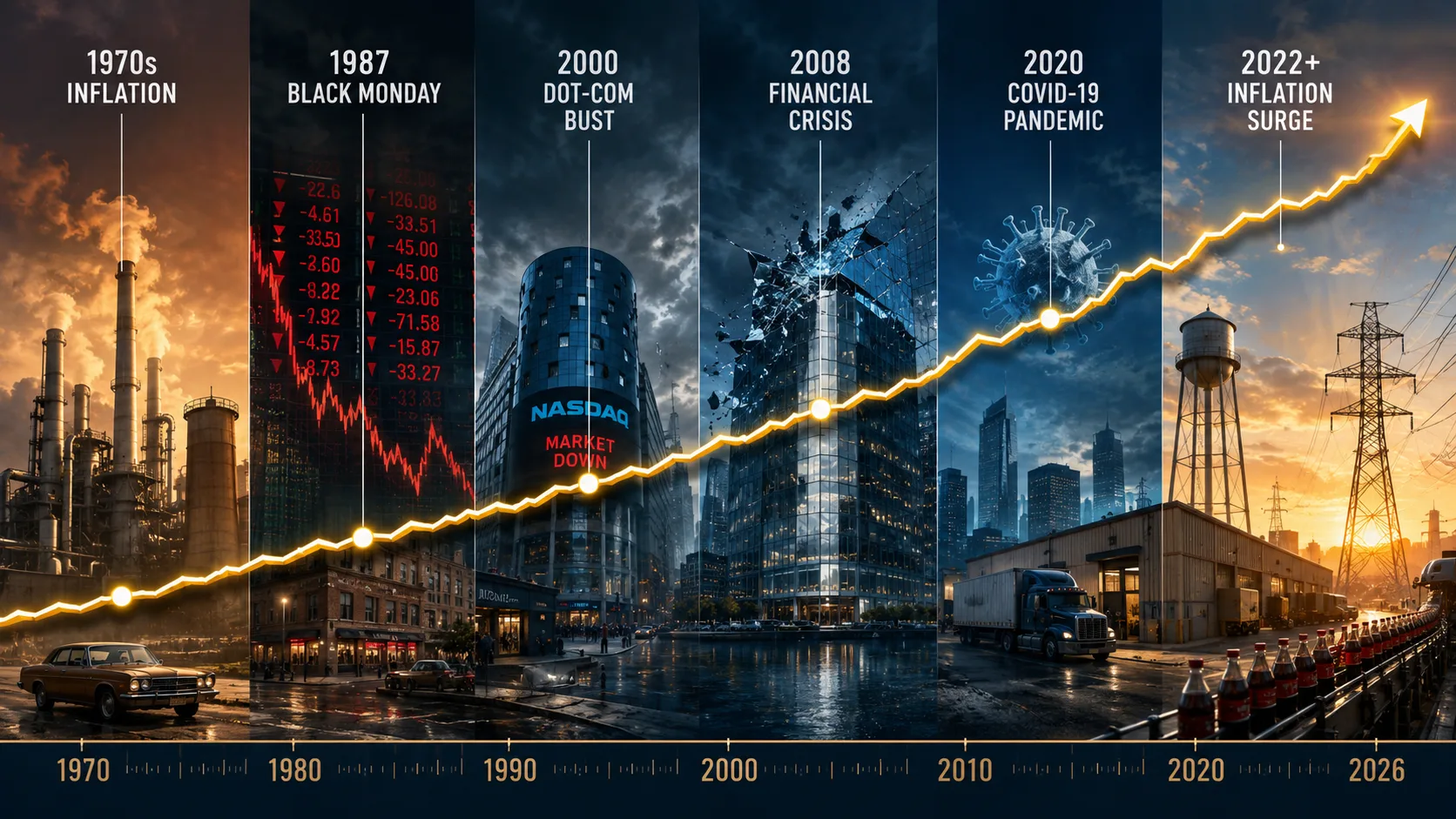
For investors and consumers, the stakes extend well beyond the Middle East. Continued disruption across the Red Sea, Gulf of Oman and Strait of Hormuz could push transportation and insurance costs higher, tighten global oil supplies and add another source of inflationary pressure to the world economy.
Six Killed in Houthi Attack Near Critical Shipping Route
Iran-backed Houthi forces attacked the Egyptian-owned, Tanzania-flagged Tihamah in the Bab el-Mandeb Strait on Tuesday, according to Yemeni authorities.
Four crew members were killed, including three Pakistani nationals and one Indonesian national, Yemen’s transport ministry said. Two members of the Yemeni government-allied National Resistance Forces were reportedly killed in a subsequent strike while participating in rescue operations.
The deaths are particularly significant because they are the first reported fatalities from Houthi attacks on Red Sea commercial shipping in more than a year.
Yemen’s transport ministry blamed the Houthis for the deaths, injuries and damage to the commercial vessel.
A Houthi-aligned media outlet later claimed the targeted vessel had been carrying Saudi military equipment. The Houthis, however, had not officially addressed the reported casualties.
The attack follows the group’s declaration of a naval blockade against Saudi Arabia in the Red Sea on July 20, ending a years-long lull in Yemen’s civil conflict.
The Houthis have described the blockade as retaliation for what they call a Saudi “siege” of Yemen. Saudi Arabia has rejected that characterization.
U.S. Navy Fires Missiles at Container Ship
Only hours after the deadly Houthi attack, a separate confrontation unfolded hundreds of miles away in the Gulf of Oman.
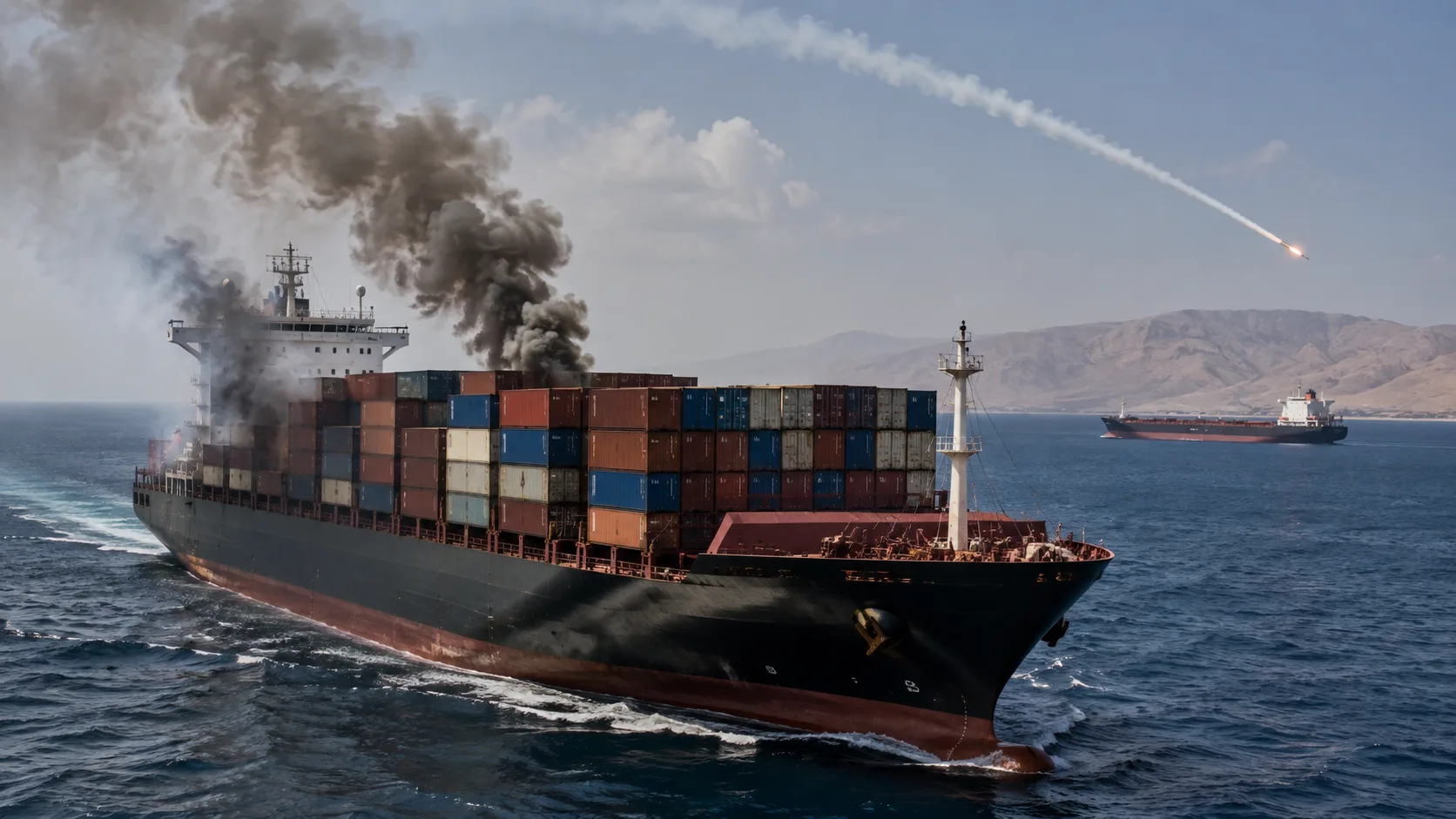
U.S. Central Command said a Navy helicopter fired two missiles at the Vela Nova, a Panama-flagged container ship that American officials said attempted to breach the U.S. blockade of Iranian ports.
According to CENTCOM, the vessel ignored repeated warnings before the missiles disabled its steering and propulsion systems. No immediate casualties were reported.
The United States reimposed its naval blockade against Iranian ports in mid-April as part of its expanding campaign against Tehran.
American forces have now redirected 55 commercial vessels accused of attempting to violate the blockade, according to CENTCOM. Three non-compliant vessels have reportedly been disabled, while another two have been boarded.
The latest confrontation underscores how aggressively Washington is enforcing restrictions on maritime traffic connected to Iran.
It also raises the possibility of further encounters involving commercial ships if the blockade remains in place.
Two Critical Shipping Lanes Are Now Under Pressure
The two incidents occurred in different waterways, but together they highlight a much larger problem for global trade.
The Bab el-Mandeb Strait connects the Red Sea with the Gulf of Aden and serves as a gateway to the Suez Canal. It is a crucial route for ships traveling between Europe and Asia.
Farther east, the Strait of Hormuz connects the Persian Gulf to the Gulf of Oman and remains one of the most important energy chokepoints on the planet.
Before the current conflict erupted in late February, roughly 20% of global oil trade passed through the Strait of Hormuz.
Traffic through the waterway has since slowed dramatically.
That means escalating instability is now threatening maritime commerce at both ends of the Arabian Peninsula, potentially forcing more vessels onto longer and considerably more expensive routes.
Shipping companies must also contend with rising insurance premiums, security expenses and the risk that a vessel or crew could become caught in the conflict.
Those additional costs can eventually work their way through supply chains and into prices paid by businesses and consumers.
Oil Prices Are Rising Again
Energy markets are already reacting to the renewed tensions.
Brent crude futures for October delivery climbed to approximately $89.44 per barrel Wednesday, extending gains to more than 7% for the week. U.S. West Texas Intermediate crude for September delivery rose to roughly $83.80 per barrel.
The concern is straightforward: the longer normal shipping through Hormuz remains disrupted, the greater the possibility that global oil supplies remain constrained.
“Current rhetoric suggests any potential deal is still some way off, meaning risks remain skewed to the upside for oil prices,” Warren Patterson, ING’s head of commodities strategy, said.
A sustained move higher in crude could have consequences far beyond energy stocks.
Higher oil prices can translate into more expensive gasoline, diesel, jet fuel and transportation. Those costs can then filter into everything from airline tickets to food and manufactured goods.
For the Federal Reserve, another energy-driven inflation shock could also complicate the path for interest rates.
Trump and Iran Remain Deadlocked Over Hormuz
The escalation comes as diplomatic efforts to reopen the Strait of Hormuz have struggled to produce an agreement.
Iran’s Supreme National Security Council recently laid out sweeping conditions for restoring normal shipping, reportedly including an end to the U.S. naval blockade, sanctions relief, the withdrawal of American military forces from the region and compensation for war damage.
President Donald Trump has rejected Tehran’s demands and instead argued that Iran should compensate the United States for decades of damage.
The competing reparation demands demonstrate how far apart Washington and Tehran remain despite efforts by regional governments to broker a compromise.
The longer the dispute continues, the greater the economic cost of keeping one of the world’s most important energy corridors operating far below normal capacity.
There Are Still Signs a Deal Could Be Possible
Despite the increasingly hostile rhetoric and renewed violence, diplomatic efforts have not completely collapsed.
Pakistan’s defense minister, Khawaja Asif, said Tuesday that the United States and Iran may be moving closer to “some sort of arrangement” regarding the Strait of Hormuz.
“Things are shaping up again in favor of a peace arrangement or a deal,” Asif told reporters, according to Bloomberg.
Qatar has also indicated that negotiations between Iran and Oman over establishing a shipping channel through Hormuz have reached a critical stage.
A limited transit corridor could provide some relief to energy markets even without a broader political settlement between Washington and Tehran.
But the latest attacks show how quickly developments on the water can undermine progress at the negotiating table.
About Author