
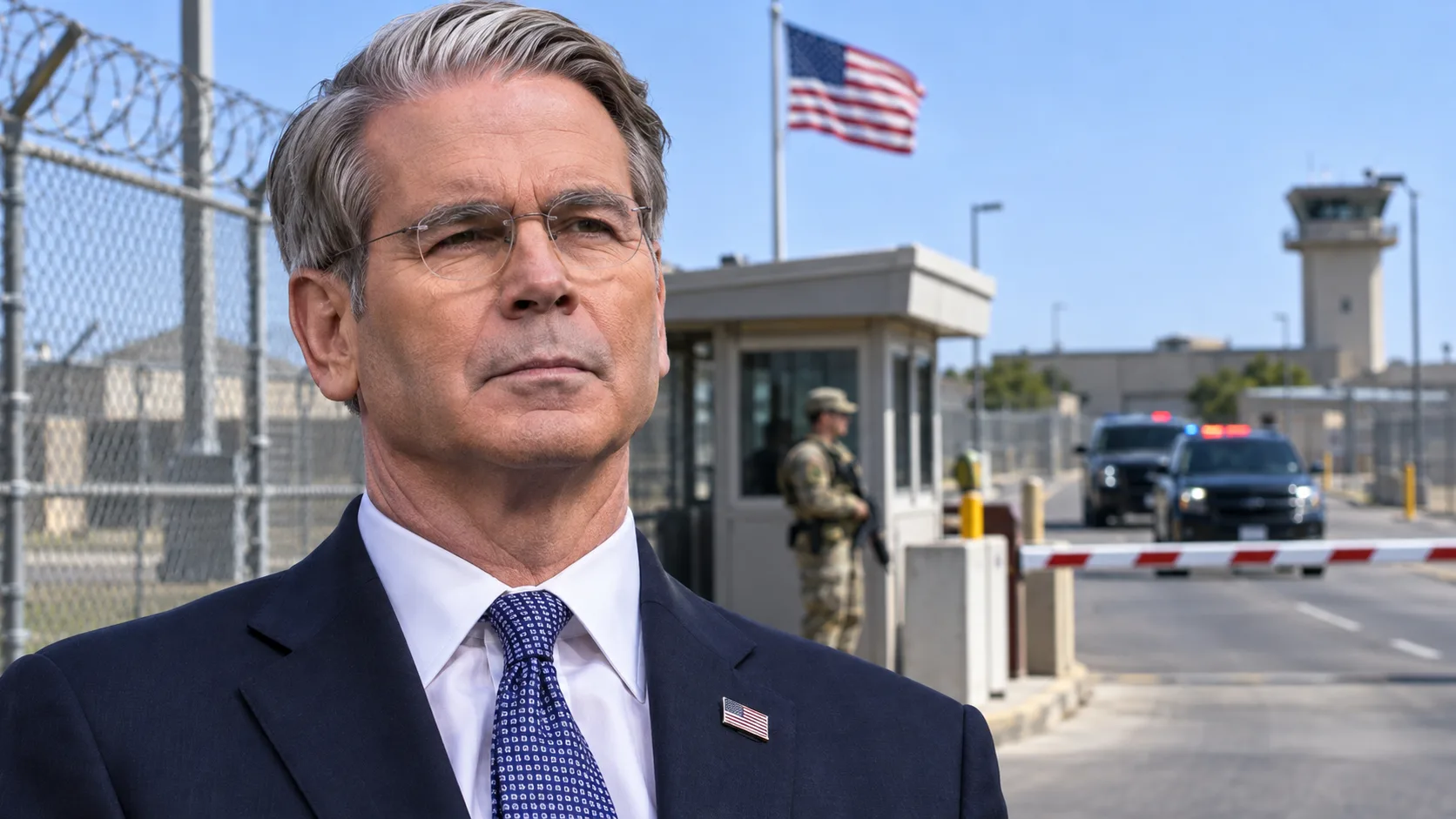
Treasury Secretary Scott Bessent and his family have been moved to a U.S. military base following reported Iranian threats against his life. The extraordinary security measure comes amid escalating intelligence warnings about Iranian assassination plots, with two other senior Trump administration officials also reportedly relocating to protected housing.
The relocation was first reported Tuesday evening by The New York Times and subsequently confirmed by the Treasury Department. New reporting Wednesday indicates that Secretary of State Marco Rubio and White House Chief of Staff Stephen Miller have also moved into military or protected residences in recent weeks.
The developments raise serious questions about the security threats facing senior American officials as Washington intensifies its economic campaign against Tehran.
Iranian Threats Against Bessent Reportedly Reached an Advanced Stage
A senior Trump administration official told Fox News that the threats against Bessent had progressed beyond an advanced stage, prompting the decision to move him and his family out of their Washington residence.
The official declined to disclose when the relocation occurred or identify the military installation.
The Treasury Department confirmed the move and said Bessent would continue pursuing the administration’s economic pressure campaign against Iran despite the threats.
According to Reuters, American intelligence officials warned in a memorandum last month that Iranian plots targeting U.S. personnel and American citizens had reached an advanced stage.
The intelligence reportedly includes threats against current and former senior government officials.
However, the precise nature and severity of the threat against Bessent have not been publicly established. Officials have not announced an arrest or disclosed evidence of an imminent assassination attempt.
Iran has previously denied accusations that it is plotting attacks against American officials on U.S. soil.
Rubio and Stephen Miller Also Moved Into Protected Housing
Wednesday morning brought another significant development.
Fox News reported that Secretary of State Marco Rubio and White House Chief of Staff Stephen Miller have also relocated to military or other protected housing in recent weeks.
The report suggests the heightened security measures extend beyond the Treasury Department, although officials have not established publicly that all three men face the same threats or that Iran is responsible for every reported security concern.
The developments follow a broader intelligence warning about Iranian operations targeting American personnel.
CBS News reported that U.S. intelligence chief Jay Clayton warned last month that Iran had substantially increased efforts to target Americans in the Middle East and elsewhere.
The warning came as the State Department adjusted staffing levels at diplomatic facilities across the region and the U.S. military moved some aircraft away from two British bases because of security concerns.
Taken together, the developments illustrate how the confrontation with Iran has extended beyond conventional military operations and economic sanctions.
American officials are also taking additional precautions to protect senior policymakers and military personnel.
Why Iran Is Reportedly Targeting America’s Treasury Secretary
Bessent has become one of the most prominent figures in the Trump administration’s effort to weaken Iran’s economy.
Since August, he has led an aggressive sanctions campaign known as Operation Economic Outcast, designed to isolate Tehran from international financial markets, restrict trade and pressure the Iranian government into changing its policies.
A central objective has been forcing Iran to end attacks on commercial shipping and reopen the Strait of Hormuz, the strategically important waterway that has experienced severe disruptions since the United States and Israel launched military operations against Iran on February 28.
The Treasury Department has played a critical role in the administration’s strategy by targeting Iranian financial networks and restricting access to international commerce.
These measures are intended to increase the economic cost of continued confrontation for Tehran.
A senior administration official told Fox News that threats against Bessent reflected the effectiveness of Washington’s economic campaign. That assessment represents the administration’s interpretation of Iran’s motives, which have not been independently established.
The situation also reveals a vulnerability in Washington’s strategy.
Economic sanctions are designed to pressure foreign governments without requiring additional military operations. But officials implementing those measures can become targets of retaliation, creating security challenges far removed from the battlefield.
The Threat Comes at a Critical Moment in the Iran War
The reported threats emerge as Washington attempts to negotiate an end to the conflict while maintaining substantial economic pressure on Iran.
On Tuesday, Secretary of State Marco Rubio said the administration saw no immediate need to resume major combat operations because sanctions and other restrictions were already achieving important objectives.
Rubio argued that economic pressure was steadily weakening Tehran and could accomplish Washington’s goals without another major military escalation.
President Donald Trump has also indicated that he does not currently intend to expand the war, while warning that American forces remain prepared to respond if Iran crosses certain boundaries.
The distinction matters because the administration is increasingly relying on economic restrictions, a naval blockade and diplomatic negotiations to accomplish its objectives.
That places Bessent and the Treasury Department at the center of U.S. policy toward Iran.
Any significant change to the sanctions campaign could influence negotiations, energy supplies and financial markets.
Why the Security Measures Matter Beyond Bessent
Perhaps the most significant development is the reported relocation of multiple senior administration officials.
The decision to move a cabinet secretary and his family onto a military base is an unusual measure that indicates authorities are taking the reported threats seriously.
The additional reports involving Rubio and Miller suggest a broader reassessment of security arrangements for high-ranking government officials.
There is an important distinction, however, between intelligence warning of advanced plots and evidence that a particular attack is imminent.
The government has provided limited public information about the threats, making it difficult to independently assess their severity.
The reported security measures also do not establish that a new military escalation is inevitable.
Washington continues to pursue negotiations while maintaining economic pressure on Tehran.
That combination creates an uncertain environment in which diplomatic progress and security threats can develop simultaneously.
What Happens Next?
Several developments will determine whether the situation becomes a broader national security or financial market concern.
Additional intelligence disclosures: Any public identification of specific threats or arrests would provide a clearer understanding of the dangers facing Bessent and other officials.
U.S. sanctions policy: New financial restrictions or enforcement actions could signal that Washington intends to intensify its economic campaign despite the security risks.
Negotiations with Iran: Progress toward a ceasefire or agreement on the Strait of Hormuz could ease some of the uncertainty surrounding energy supplies.
Military and maritime security: Additional attacks on commercial shipping, U.S. facilities or American personnel could complicate diplomatic efforts and increase the risk of renewed military operations.
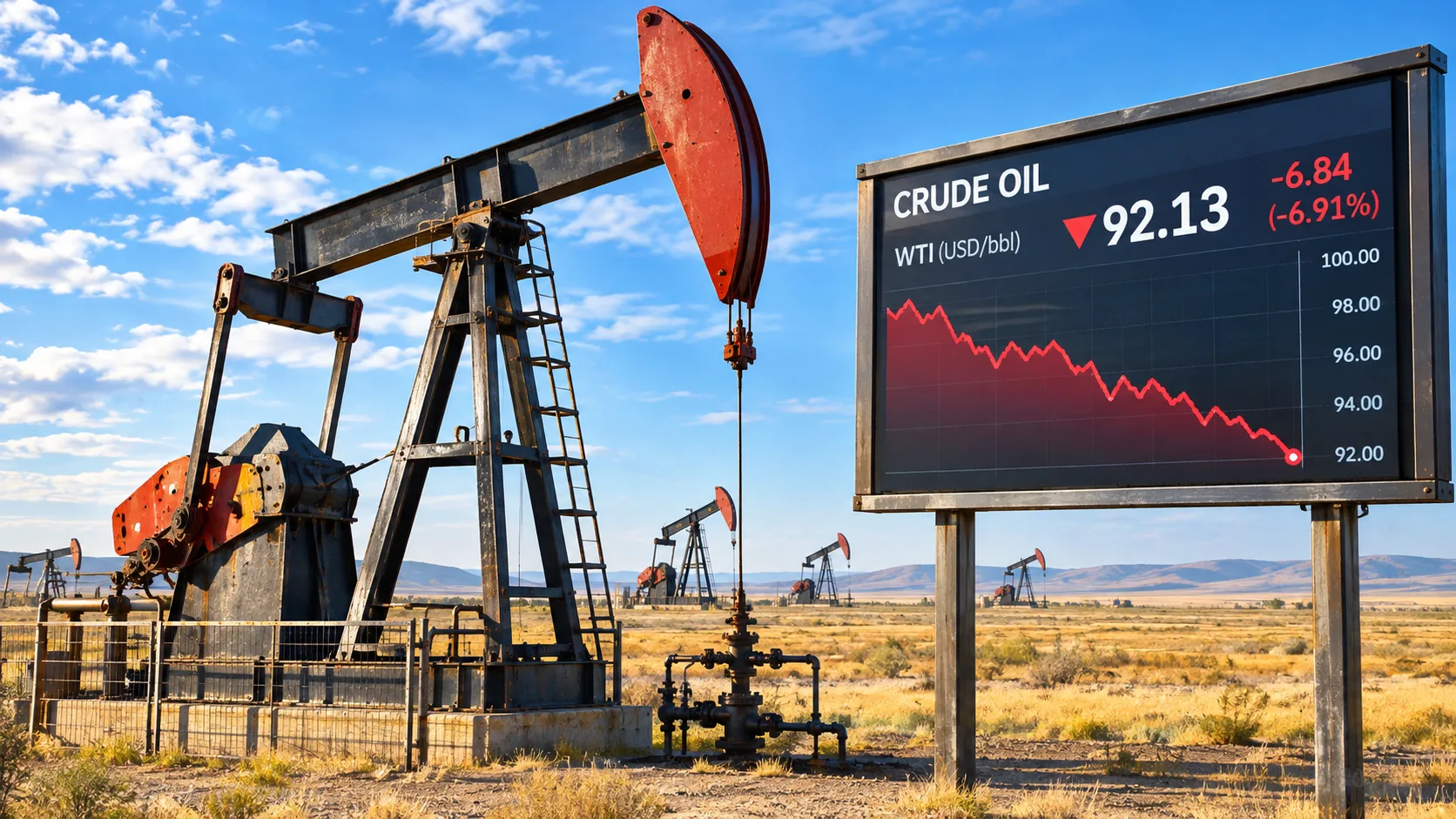
For financial markets, developments affecting oil shipments and the prospects for sanctions relief are likely to provide the clearest indications of how the confrontation may influence the global economy.
The Bottom Line
The decision to move Treasury Secretary Scott Bessent and his family onto a military base represents an extraordinary security response to reported Iranian threats.
New reports that Marco Rubio and Stephen Miller have also relocated to protected housing suggest the precautions extend across several of the Trump administration’s most senior positions.
Bessent remains a central figure in Washington’s effort to pressure Tehran economically, and the Treasury Department says the threats will not change that strategy.
The larger question is whether economic pressure and diplomacy can bring the conflict toward a resolution before another escalation disrupts energy markets and international commerce.
For investors, the answer could have important consequences for oil prices, inflation and financial market stability.
About Author