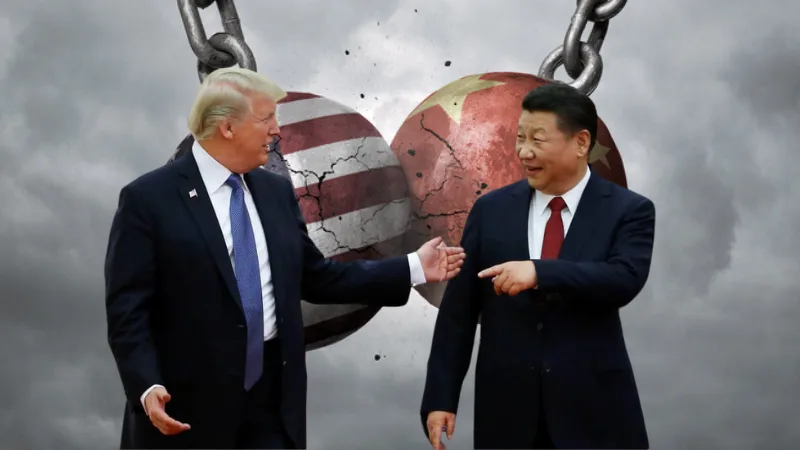
Global markets staged a broad rebound Monday morning as investors reacted to a dramatic softening in U.S. rhetoric toward China from President Trump and Vice President JD Vance. The shift comes just days after markets suffered their worst session since April, triggered by Trump’s threat of new tariffs and export controls following Chinese restrictions on rare-earth exports.
The weekend messaging appears to have stopped the bleeding—at least for now—but underlying tensions in the U.S.–China economic relationship remain, and markets are still pricing in the risk of further shocks.
Trump Walks Back Tariff Threats After Market Rout
On Friday, President Trump ignited a sharp selloff after announcing he would impose a 100% tariff on Chinese imports and introduce additional export controls in response to Beijing’s sweeping curbs on rare-earth shipments. Rare earths—17 minerals critical for electric vehicles, smartphones, satellites, missile guidance systems, and advanced weapons—are a chokepoint in the global supply chain that China has long dominated.
Trump’s remarks, aimed at signaling strength and deterrence, spooked investors who interpreted them as the potential opening salvo in a renewed trade war. Wall Street reacted accordingly:
- The S&P 500 and Nasdaq Composite recorded their worst daily declines since April.
- Risk assets across multiple sectors sold off sharply.
- Institutional money briefly shifted toward cash and defensive megacap names.
By Sunday, the tone had flipped.
On his Truth Social platform, Trump posted a strikingly conciliatory message:
“Don’t worry about China, it will all be fine! Highly respected President Xi just had a bad moment. The U.S.A. wants to help China, not hurt it!!!”
For markets, the shift suggested that Friday’s threats were a negotiating tactic—not a greenlight for immediate escalation.
Vance Reinforces the De-Escalation Narrative
Vice President JD Vance echoed that sentiment in a weekend interview with Fox News. While emphasizing that the United States has “a lot of leverage over China,” he reassured investors that diplomacy remains the preferred path.
“Donald Trump is always willing to be a reasonable negotiator,” Vance said.
This calibration was widely interpreted as an intentional move to restore market calm after Friday’s panic.
Futures and Risk Assets Surge to Start the Week
The response in global markets was immediate. Early Monday trading saw a risk-on bounce across multiple asset classes:
- U.S. stock futures jumped 0.8% or more, led by tech and semiconductor shares.
- Cryptocurrencies moved higher, following a week of choppy price action.
- Major commodities like copper and crude saw early strength.
- The U.S. dollar gained against most major currencies, signaling renewed investor confidence.
- Treasury markets were closed for the Columbus Day federal holiday, muting bond volatility.
The renewed appetite for risk suggested that traders now view Trump’s statements as a walk-back from the brink, at least in the short term.
Asia Trades Lower—But For Different Reasons
Unlike Europe and U.S. pre-market trading, Asian equity markets didn’t enjoy the same relief rally. Timing was a key factor: Asian indices were still digesting Friday’s selloff, not the weekend’s calming rhetoric.
- Hong Kong’s Hang Seng Index fell 1.5%, leading regional declines.
- Broader Asian markets edged lower or were flat depending on sector exposure.
- Investors positioned cautiously ahead of U.S. trading hours.
The next Asian session will reflect the tone reset and give clues about whether international markets believe Trump’s and Vance’s remarks signal true de-escalation or merely a pause.
Rare Earths at the Heart of the Dispute
The market’s violent reaction Friday didn’t stem from generic tariff talk—it was triggered by China’s move against rare-earth exports, a sector where Beijing holds global dominance.
Rare-earth elements such as neodymium, dysprosium, and terbium are essential in:
- Electric vehicle motors
- Wind turbines
- Missile systems
- Fighter jets and aerospace parts
- Smartphones and semiconductors
When China tightens export rules, the consequences ripple through supply chains tied to defense, automotive, energy, and advanced technology. The U.S. has limited domestic refining capacity and relies heavily on Chinese processing, even when raw materials originate elsewhere.
Trump’s threat of a 100% retaliatory tariff signaled that economic escalation could jump quickly into strategic supply-chain warfare—something markets have zero tolerance for without clear expectations.
Why the Walk-Back Mattered
The rapid shift in tone from the White House accomplished two things:
1. It Reassured Markets That Negotiations Are Still in Play
Investors were reminded that Trump’s style often involves aggressive opening lines followed by flexible bargaining. The remark about helping—rather than hurting—China was picked up quickly by currency and equity desks.
2. It Signaled Responsiveness to Market Sentiment
Friday’s plunge was a message: asset managers will punish policy threats that jeopardize growth, profitability, or predictability. The administration clearly wanted to stop the bleeding before momentum carried the selloff further.
What the Bounce Doesn’t Mean
The rebound does not indicate that tensions have been resolved. Several unresolved risks remain:
- Tariff threats are still on the table if Beijing escalates further.
- China’s rare-earth leverage is not going away—and may be used again.
- Global supply chains remain exposed, particularly in semiconductors, EVs, and defense.
- Inflation risk could return if tariffs affect imports in critical sectors.
- Corporate earnings forecasts may need to adjust if trade measures increase costs.
Investors bought the tone shift—but not necessarily a long-term détente.
Key Sectors to Watch
Certain industries will be the most sensitive to further rhetoric or policy movement:
✅ Technology & Semiconductors
Tariffs or export controls could affect chipmakers, EV manufacturers, and 5G suppliers. Watch NAV, AMD, TSLA, AAPL, and SMH-linked ETFs.
✅ Defense Contractors
Raytheon, Lockheed Martin, Northrop Grumman, and BAE Systems all rely on rare-earth components in advanced weapons programs.
✅ EV and Green Energy
Tesla, BYD, Panasonic, and battery producers are exposed to material shortages and price spikes.
✅ Commodities and Mining Stocks
Companies outside China with access to rare-earth production—such as Lynas (Australia) and MP Materials (U.S.)—could benefit if supply disruptions continue.
The Dollar’s Strength Signals Investor Confidence—For Now
The dollar’s rally Monday was notable. Rather than retreat into defensive commodities like gold or the yen, traders moved capital into the greenback and U.S. equity futures. That reflects a belief that the White House is unlikely to immediately detonate tariff escalation.
Cryptocurrencies also saw gains, suggesting investors had not rotated fully out of speculative assets despite Friday’s drubbing.
Forward-Looking Market Risks
Even with Monday’s bounce, the possibility of renewed shocks is real. The next market-moving catalysts include:
- Any follow-up statements from Trump, Vance, or Chinese officials
- Formal tariff announcements or rollbacks
- China’s enforcement or easing of rare-earth curbs
- Sector-specific retaliation in energy, tech, or agriculture
- Legislative responses from Congress on trade policy
If talks stabilize, the market could return to earnings and Fed-watching mode. If rhetoric flares again, volatility could spike even higher than Friday.
Investor Takeaways
Here’s what investors should be thinking about now:
✅ 1. Expect Swing Trading and Algorithmic Volatility
Tariff headlines move futures instantly. Algorithmic desks will trade every quote.
✅ 2. Defensive Positioning Is Still in Play
Utilities, healthcare, gold miners, and defense names may outperform as hedges.
✅ 3. Rare Earth–Focused ETFs Could See Flows
Funds tied to lithium, cobalt, and strategic metals will remain in the spotlight.
✅ 4. Watch Treasury Yields Once Markets Reopen
With bond markets closed Monday, delayed reaction could come Tuesday morning.
✅ 5. Earnings Season Just Got More Complicated
CEOs will now be forced to discuss China exposure and tariff risk on calls.
The Bottom Line
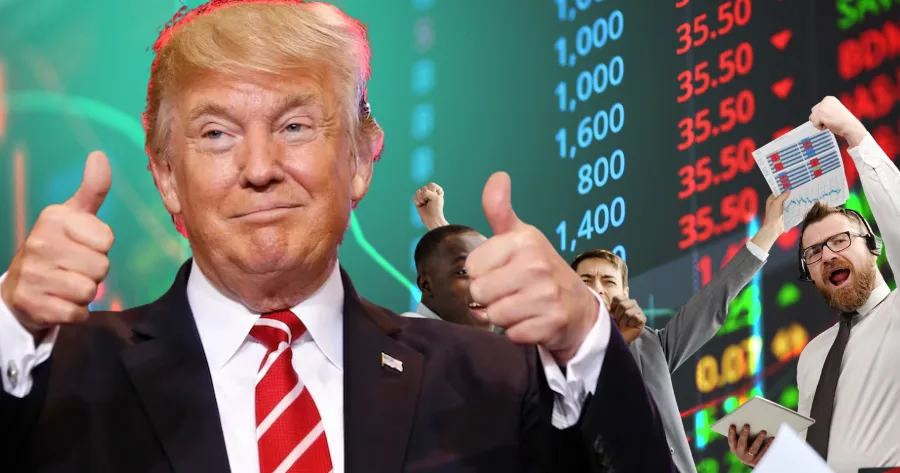
Friday’s selloff showed exactly how quickly markets can punish trade-war talk especially when tied to strategically vital commodities like rare earths. Trump and Vance stepped in over the weekend to ease fears, and investors rewarded that shift with a broad rally across equities, crypto, and commodities.
But the risks haven’t vanished. The administration is signaling flexibility, not surrender. Beijing’s rare-earth policy remains intact. And tariffs remain a live political weapon.
The rebound is a reprieve not a resolution. Investors who mistake relief for certainty could get hit again on the next headline.
About Author