
Millions of Americans could gain access to Medicare 15 years earlier under a new proposal gaining attention in Washington. But the potential savings, costs and political obstacles raise important questions for workers approaching retirement.
A major change to America’s healthcare system could be coming as lawmakers push to make Medicare available to Americans as young as 50, potentially reshaping how millions of people plan for retirement.
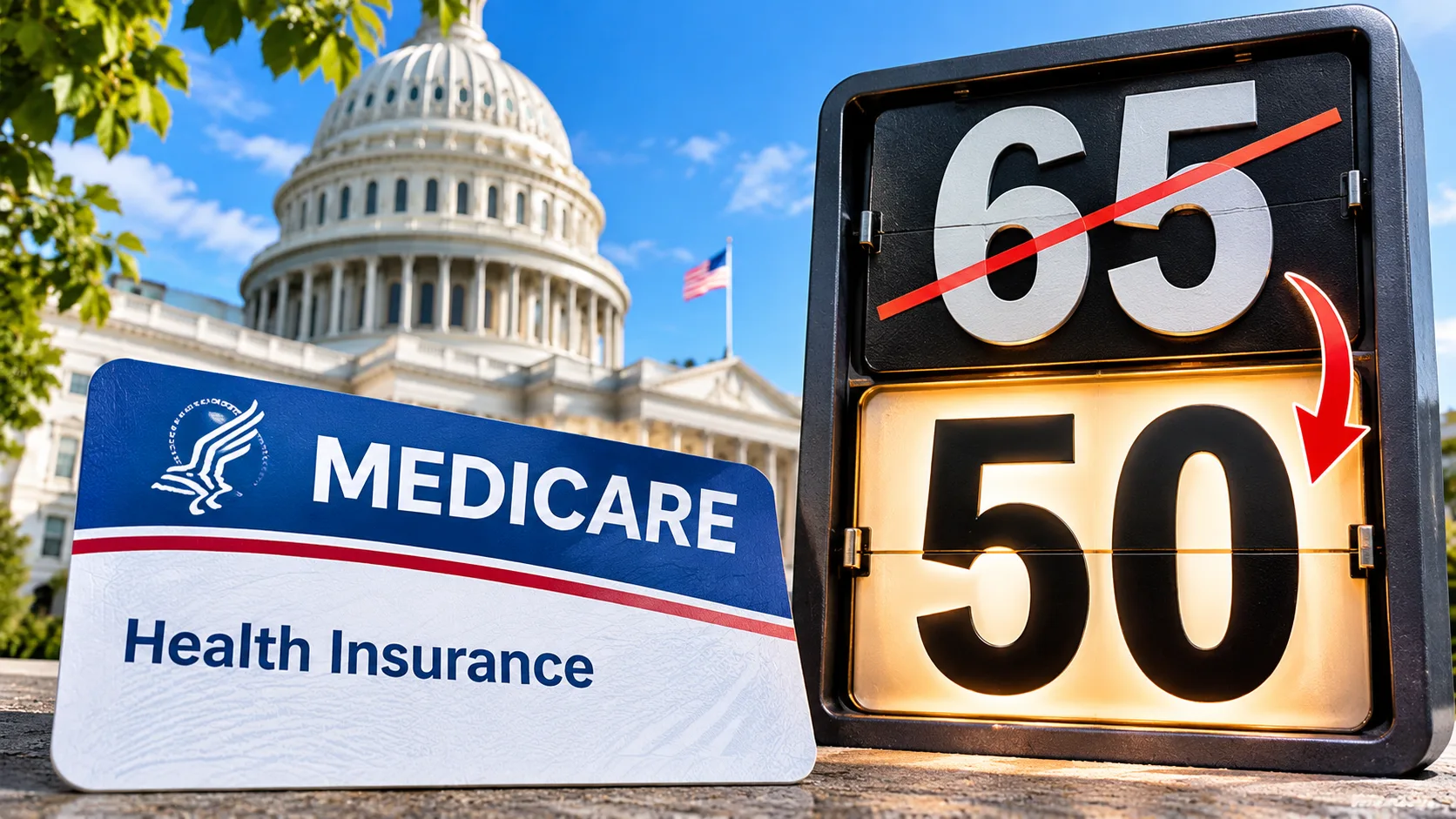
The newly introduced Medicare at 50 Act would allow adults ages 50 through 64 to purchase Medicare coverage rather than waiting until the traditional eligibility age of 65. The proposal could provide an alternative for Americans struggling with expensive private insurance, particularly those considering early retirement or leaving jobs that provide health benefits.
With Democrats projected to control both chambers of Congress following the November midterm elections, the proposal could gain momentum in 2027. However, significant questions remain about its cost, its impact on existing Medicare beneficiaries and whether it can overcome opposition in Washington.
What the Medicare at 50 Act Would Change
Sen. Tammy Baldwin, a Wisconsin Democrat, introduced the Medicare at 50 Act on November 10, 2026, alongside several Democratic colleagues. The legislation, designated S. 5700, would allow eligible Americans ages 50 to 64 to voluntarily enroll in Medicare.
Under the proposal, younger participants would have access to the same major coverage options available to traditional Medicare beneficiaries, including:
- Medicare Part A: Hospital insurance covering inpatient hospital care and certain other services.
- Medicare Part B: Medical insurance covering physician visits, outpatient care and preventive services.
- Medicare Part D: Prescription drug coverage.
- Medicare Advantage: Private insurance plans approved to provide Medicare benefits, often with additional coverage options.
The legislation would also allow qualifying individuals to receive premium tax credits and cost-sharing assistance comparable to subsidies available through the Affordable Care Act marketplace.
Importantly, enrollment would be optional. Americans who prefer to remain on employer-sponsored insurance or another private health plan could continue doing so.
The proposal covers a population of more than 58 million Americans, according to Baldwin’s office. That figure represents the approximate number of people in the eligible age group, rather than an estimate of how many would enroll or gain coverage.
Why Americans in Their 50s and Early 60s Could Benefit Most
For many Americans approaching retirement, health insurance represents one of the largest financial obstacles to leaving the workforce.
Someone who retires at 60 could face five years of health insurance premiums before becoming eligible for Medicare. Retiring at 55 creates a potential 10-year coverage gap, while leaving the workforce at 50 could mean financing private health insurance for 15 years.
Those costs can be substantial, especially for couples who must purchase individual policies without employer contributions.
According to Baldwin, premiums for adults ages 50 to 64 purchasing coverage through Affordable Care Act marketplaces doubled in 2026, while enrollment among that age group declined by 6%. The figures, cited by her office, highlight the affordability concerns driving the legislation.
The senator argues that older Americans face particularly difficult decisions when leaving their jobs, losing employer-sponsored coverage or experiencing unexpected health problems.
For workers in physically demanding occupations, people managing chronic medical conditions and those who lose their jobs later in their careers, an expanded Medicare option could provide greater financial flexibility.
The Bigger Story: Medicare at 50 Could Change When Americans Retire
One of the proposal’s most significant potential consequences extends beyond healthcare coverage.
Making Medicare available at 50 could change retirement decisions for millions of Americans who currently remain employed primarily to maintain affordable health insurance.
Consider a hypothetical 60-year-old worker with enough savings to retire comfortably but who faces another five years of private insurance costs.
If private coverage costs $1,200 per month, that individual would spend $72,000 on premiums alone before reaching Medicare eligibility at 65. That calculation excludes deductibles, copayments, prescriptions and other medical expenses.
A lower-cost Medicare buy-in could potentially reduce that burden, although actual savings would depend on premiums, subsidies, healthcare needs and the details of the final legislation.
For households approaching retirement, that difference could influence several major financial decisions, including when to stop working, how much to withdraw from retirement accounts and whether to delay claiming Social Security.
The Social Security Connection
Medicare eligibility and Social Security retirement benefits follow separate rules.
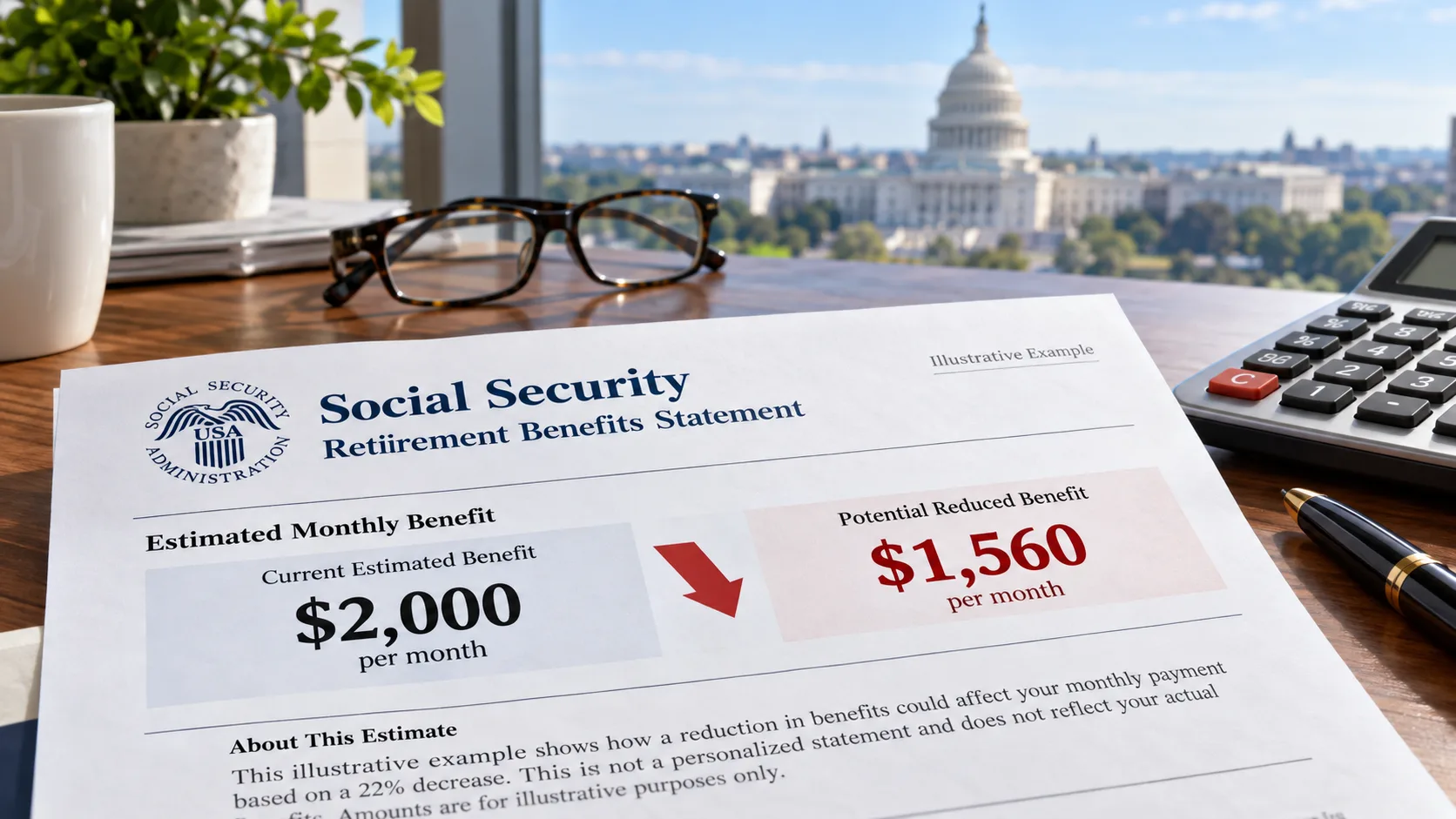
Americans can generally begin claiming Social Security retirement benefits at 62, although doing so permanently reduces their monthly payment compared with waiting until full retirement age.
A person who gains affordable health insurance before age 65 might be better positioned to retire while delaying Social Security benefits, potentially increasing their eventual monthly income.
Conversely, someone leaving the workforce earlier could also reduce future earnings and retirement contributions, making the overall financial consequences more complicated.
Healthcare costs are only one component of retirement planning, but they can have an outsized influence on when workers feel financially secure enough to stop working.
Could Medicare at 50 Lower Costs for Existing Medicare Beneficiaries?
The proposal also raises an important question for Americans already enrolled in Medicare: Could adding younger participants affect their premiums?
Independent Social Security and Medicare analyst Mary Johnson argues that expanding enrollment to relatively younger adults could temporarily reduce average costs per beneficiary because people in their 50s generally have lower healthcare expenses than older Medicare recipients.
Adding a younger population could potentially improve the program’s overall risk profile, depending on how many people enroll and their medical needs.
Johnson suggested that this could help lower Medicare Part B and Part D premiums for beneficiaries of all ages.
However, that outcome is far from guaranteed.
Premiums depend on numerous factors, including healthcare spending, government financing, prescription drug costs and how the proposed buy-in program would be structured.
There is also a selection problem: Americans with expensive medical conditions might be more likely to enroll, while healthier individuals with affordable employer coverage could remain in their existing plans.
That means the financial impact could look considerably different from simply adding millions of younger, healthier people to Medicare.
The Financial Risks: Who Would Pay for the Expansion?
The most significant unanswered question surrounding Medicare at 50 is how much the program would cost.
The proposal would allow younger Americans to purchase coverage, with eligible participants potentially receiving federal financial assistance. The final cost to taxpayers would depend heavily on enrollment, premiums, subsidies and utilization of healthcare services.
Critics argue that expanding government-supported healthcare could place additional pressure on federal finances at a time when Washington already faces substantial debt and long-term entitlement obligations.
Michael Cannon, director of health policy studies at the libertarian Cato Institute, has criticized the proposal, warning that expanding access to government-subsidized coverage could increase dependence on federal assistance.
Supporters counter that Medicare’s purchasing power and administrative structure could make coverage more affordable for people currently paying high private insurance premiums.
Both arguments deserve scrutiny because lowering healthcare costs for individual households does not necessarily mean reducing overall spending across the healthcare system.
The legislation includes a dedicated Medicare buy-in trust fund and oversight provisions, but a comprehensive fiscal estimate has not yet established the program’s likely impact on federal spending.
What This Could Mean for Healthcare Stocks and Insurance Companies
The proposal could eventually have consequences for publicly traded healthcare companies, particularly if participation becomes substantial.
Medicare Advantage Insurers
Companies such as UnitedHealth Group, Humana and CVS Health operate businesses with significant exposure to Medicare Advantage or other government-supported health insurance programs.
Allowing Americans ages 50 to 64 to enroll in Medicare Advantage could create an additional market for these insurers.
However, the benefit would depend on reimbursement rates, medical expenses, regulatory requirements and how many newly eligible Americans choose private Medicare plans over traditional Medicare.
Traditional Health Insurers
Private insurers offering Affordable Care Act marketplace coverage could face new competition if Americans in their 50s and early 60s gain access to Medicare.
Older adults often have higher healthcare expenses than younger policyholders, so changes in their enrollment could alter the financial makeup of existing insurance pools.
The impact would differ across companies and markets, making the final structure of the legislation particularly important for investors.
Hospitals and Healthcare Providers
Hospitals and physician groups could also experience changes if more patients move from commercial insurance to Medicare coverage.
Commercial insurance generally pays hospitals higher rates than traditional Medicare for comparable services, which could create pressure on provider revenue when patients switch coverage.
At the same time, expanding affordable insurance could reduce uncompensated care by helping previously uninsured patients obtain coverage.
For investors, the potential benefits of expanded coverage would need to be weighed against changes in reimbursement rates and operating margins.
Does the Medicare at 50 Act Have a Real Chance of Passing?
The political landscape has shifted following the November 3 midterm elections, creating a more favorable environment for Democratic healthcare proposals.
Democrats are projected to control Congress beginning in January 2027, which could improve the legislation’s prospects for committee hearings and floor consideration. However, a congressional majority alone would not guarantee passage.
Most major Senate legislation still requires 60 votes to overcome a filibuster, meaning some Republican support could be necessary. President Donald Trump’s position would also be critical because legislation approved by Congress generally requires presidential approval or sufficient votes to override a veto.
The bill has been introduced and referred to the Senate Finance Committee, and there is currently no enacted change to Medicare’s standard eligibility age.
Similar proposals have been introduced in previous years without becoming law, illustrating the difficulty of making major changes to federal healthcare programs.
What Americans Ages 50 to 64 Should Watch Next
For Americans approaching retirement, three developments will help determine whether Medicare at 50 becomes a realistic option.
First, congressional support. Whether lawmakers can attract bipartisan backing will be a major indication of the proposal’s chances of advancing through the Senate.
Second, the financial details. A formal cost estimate and proposed premium structure could reveal whether buying into Medicare would actually be cheaper than existing private insurance options for different income groups.
Third, the implementation timeline. Even if legislation eventually becomes law, Americans would need to know when enrollment begins, how subsidies work and whether coverage options differ by state or income level.
Until those details become clear, workers considering early retirement should continue planning around existing Medicare eligibility rules.
The Bottom Line for Americans Approaching Retirement
The Medicare at 50 Act represents one of the more consequential healthcare proposals for middle-aged Americans, with the potential to make coverage available up to 15 years earlier than current rules allow.
For households struggling with high premiums, unemployed older workers and people hoping to retire before 65, the proposal could provide another path to affordable healthcare.
However, major questions remain about cost, financing and the legislation’s ability to secure enough political support.
For now, Medicare eligibility generally remains at age 65. But if Congress moves forward with Medicare at 50, it could fundamentally change how millions of Americans prepare financially for their retirement years.
About Author