Oil Shock 2025: Iran Threatens Hormuz Closure After U.S. Strike—Will Stagflation Return?
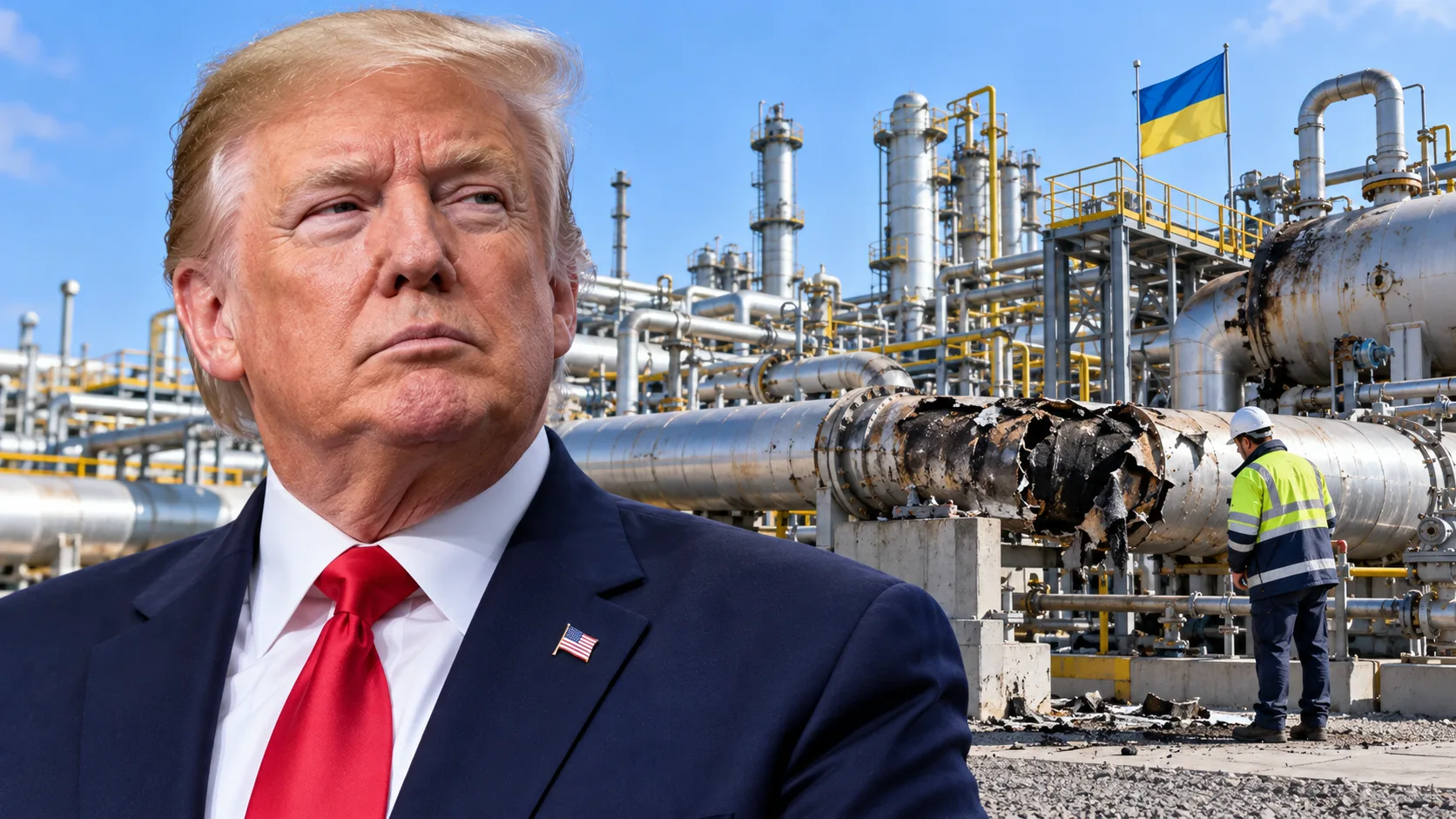
Global oil markets are bracing for a potential upheaval that could ripple across the economy after U.S. forces, under direct orders from President Donald Trump, carried out targeted strikes on Iranian nuclear facilities. While the immediate price movement in crude was muted, seasoned investors know the real storm may just be brewing.
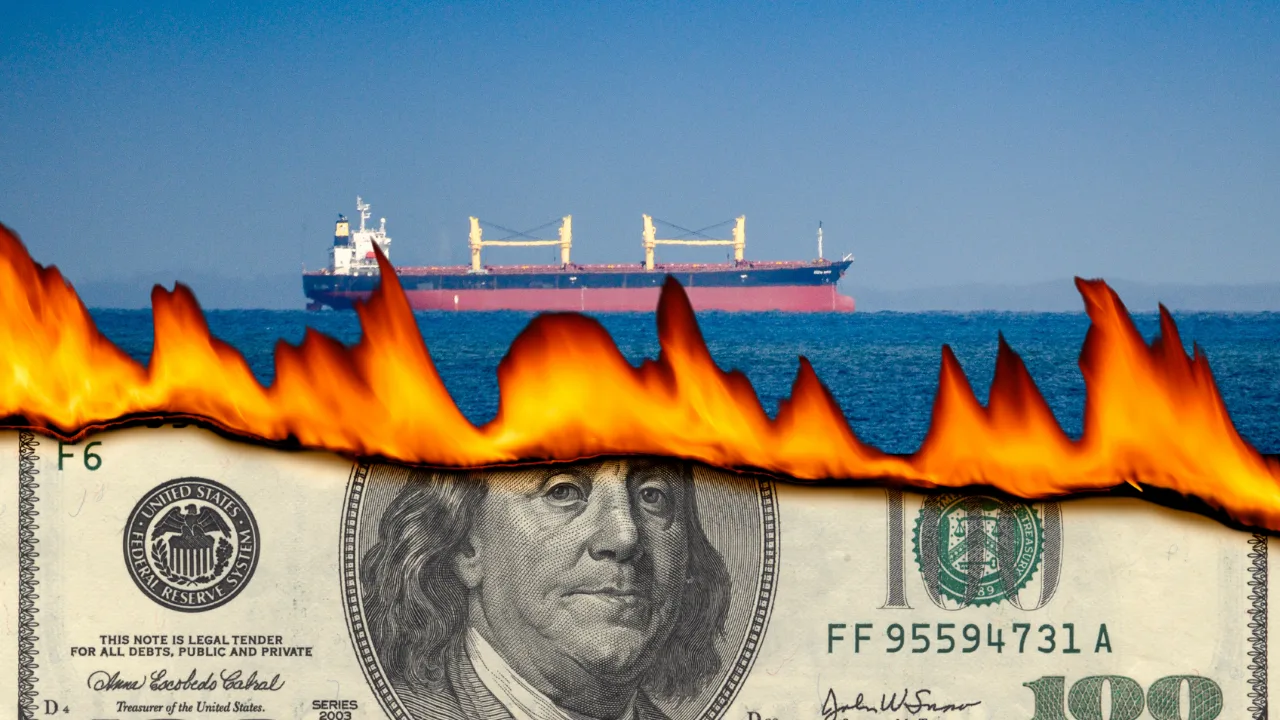
With Iran threatening severe retaliation and lawmakers in Tehran pushing for the closure of the Strait of Hormuz—a chokepoint that handles roughly 20% of global oil shipments—the geopolitical stakes have surged, and the threat of a summer oil shock has become far more than hypothetical.
Tensions in the Gulf Resurface—This Time With More Economic Firepower
This isn’t the first time the U.S. and Iran have come to the brink. But unlike past flare-ups, this one carries new economic risks: high inflation, fragile supply chains, and already volatile energy markets. In short, we may be entering a textbook stagflation setup—rising prices, slowing growth, and shrinking policy options.
Kristian Kerr, head of macro strategy at LPL Financial, captured the stakes clearly:
“At this moment, global attention is centered squarely on Iran and the nature of its response to recent developments. The situation remains highly fluid, and much hinges on whether Tehran opts for a restrained reaction or a more aggressive course of action.”
That “course of action” may already be in motion. Iran’s state-controlled media aired calls from lawmakers on Sunday to shut down the Strait of Hormuz, a move that could cripple global energy flows.
$110 Oil? Goldman Sachs Says It’s Possible
Wall Street isn’t ignoring the threat. Analysts at Goldman Sachs released a note warning that if the Strait is blocked, Brent crude prices could spike to $110 per barrel within 30 days. That kind of move would shake not just energy markets, but global inflation expectations and consumer behavior at large.
On Monday morning, Brent futures for August were already edging up, last seen at $77.52—up 0.7%—while U.S.-based WTI contracts also climbed 0.7% to $74.33.
Those numbers might seem tame, but the market is holding its breath. A severe disruption could cause oil to spike far more sharply and quickly than seen in past geopolitical conflicts.
Warren Patterson, ING’s head of commodity strategy, put it plainly:
“An effective blocking of the Hormuz would lead to a dramatic shift in the outlook for oil, pushing the market into deep deficit. Spare OPEC production capacity wouldn’t help in this situation, as the bulk of it sits in the Persian Gulf.”
Gas Prices Could Jump to $5.30 Per Gallon
That oil shock won’t stay on Wall Street. It’s headed straight for the pump.
According to KPMG chief economist Diane Swonk, gasoline prices typically rise 2.4% for every $1 increase in crude oil. If Brent spikes to $110, Americans could be staring at gas prices of $5.30 per gallon—levels not seen since the post-COVID supply chain crunch.
That scenario could wreak havoc on American households already stretched thin. In a high-rate environment, with pandemic savings largely exhausted and wages struggling to keep up with prices, an energy-driven price spike could crush consumer sentiment.
Swonk warned that the situation is materially different from the pandemic-era inflation shock:
“A key difference is a lack of COVID-era stimulus, which means consumers are likely to push back more than they did back then. That will cap the bump in inflation due to tariffs and potentially higher oil prices but bleed into employment.”
In other words, we might avoid runaway inflation—but at the cost of weaker hiring and growth. That’s the stagflation setup economists fear.
Fed in a Bind: No Cuts, No Relief
Compounding the issue is the Fed’s lack of flexibility. Central bankers are already walking a tightrope between stubborn inflation and softening growth.
Just last week, the Federal Reserve adjusted its outlook, trimming GDP growth forecasts while nudging inflation expectations higher. Those forecasts assumed ongoing tariffs and supply-side frictions. Add a full-blown oil shock into the mix, and the case for cutting rates evaporates.
ING’s chief international economist James Knightley warned:
“We expect to see bigger spikes in the month-on-month inflation figures through the summer. The Fed’s recent Beige Book cited widespread reports of more aggressive price increases within the next three months. Rising oil prices only reinforce that outlook.”
The takeaway? Rate cuts could be pushed back into late 2025—if they happen at all. That delays relief for housing, credit markets, and small businesses already facing tighter lending standards.
Global Supply Chains Under Threat Again
The economic fallout wouldn’t stop at energy.
A shutdown or partial disruption of the Strait of Hormuz would choke not just oil exports, but also interrupt vital shipping lanes for goods. Many supply chains already operate on thin margins, with just-in-time logistics still reeling from pandemic-era disruptions.
Layer on top of that the July tariff resets announced by the Trump administration—set to hike levies on key consumer and industrial goods—and you’ve got a multi-front economic squeeze.
Swonk noted:
“A surge in oil prices will exacerbate those [tariff-related] pressures. Those shifts evoke the memory of stagflation, an ugly word from the 1970s. The lessons of that era are seared into the institutional memory of the Fed.”
The Market’s Warning Signs
While energy markets are the most direct reflection of these risks, stocks are already flashing caution. The S&P 500’s rally has lost steam. Despite a strong spring, June gains clocked in under 1%.
Volatility is inching higher. Defensive stocks—utilities, gold miners, and defense contractors—are quietly outperforming. And institutional investors are rotating out of high-growth tech into hard assets and dividend plays.
Michael Landsberg, CIO at Landsberg Bennett Private Wealth Management, sees deeper concern brewing:
“The strikes add another layer of uncertainty to a stock market that is still grappling with questions about tariffs, earnings, and inflation. Trade and fiscal policies are unknowns, and that is one of the biggest factors hanging over U.S. stocks now.”
His message to investors? Brace for more volatility in the coming weeks. Uncertainty—both geopolitical and macroeconomic—is back.
What It Means for Investors Now
For investors, this is a moment that requires clarity of thought and a bias toward defense. The worst-case scenario—prolonged oil price shocks, rising inflation, slow GDP growth, and limited Fed intervention—means preserving capital and protecting purchasing power becomes more important than chasing returns.
Here’s what smart money is likely doing now:
Rotating into energy and defense stocks: Think ExxonMobil, Chevron, Lockheed Martin, Raytheon.
Adding inflation hedges: Gold, TIPS (Treasury Inflation-Protected Securities), and select real estate plays.
Reducing exposure to rate-sensitive sectors: Growth tech, leveraged REITs, and consumer cyclicals.
Holding cash and high-yield money market funds: Dry powder matters when volatility returns.
Final Word
While the initial market response to the U.S. strikes on Iran may appear muted, history teaches that geopolitical risk takes time to fully price in. Investors who ignore the developing threat in the Persian Gulf—and the economic dominoes it could knock over—do so at their own peril.
If Iran moves to shut down the Strait of Hormuz, $5+ gasoline won’t be the only problem. We could be staring down a replay of the 1970s: inflation without growth, markets without clarity, and central banks without ammunition.
The prudent investor will act before the headlines catch up.
To provide the best experiences, we use technologies like cookies to store and/or access device information. Consenting to these technologies will allow us to process data such as browsing behavior or unique IDs on this site. Not consenting or withdrawing consent, may adversely affect certain features and functions.
Functional
Always active
The technical storage or access is strictly necessary for the legitimate purpose of enabling the use of a specific service explicitly requested by the subscriber or user, or for the sole purpose of carrying out the transmission of a communication over an electronic communications network.
Preferences
The technical storage or access is necessary for the legitimate purpose of storing preferences that are not requested by the subscriber or user.
Statistics
The technical storage or access that is used exclusively for statistical purposes.The technical storage or access that is used exclusively for anonymous statistical purposes. Without a subpoena, voluntary compliance on the part of your Internet Service Provider, or additional records from a third party, information stored or retrieved for this purpose alone cannot usually be used to identify you.
Marketing
The technical storage or access is required to create user profiles to send advertising, or to track the user on a website or across several websites for similar marketing purposes.