In less than 24 hours, what was supposed to be a groundbreaking diplomatic victory is now a diplomatic mess.
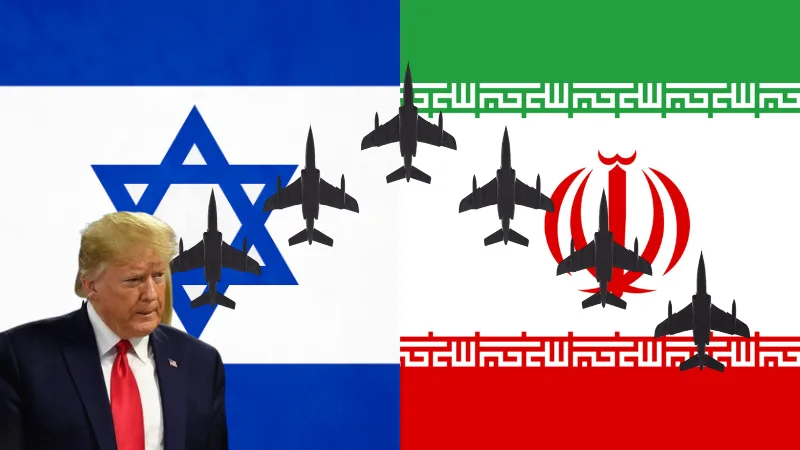
On June 23, 2025, President Donald Trump announced a “phased ceasefire” between Israel and Iran after weeks of escalating conflict. But within hours, he publicly stated that both sides had violated the agreement, saying he was “not happy with either.”
“They violated it—but Israel violated it too,” Trump told reporters. “We had something historic. And it’s a shame.”
The collapse of the truce, which Trump had heavily promoted as a personal achievement, adds a new layer of volatility to an already combustible region and has immediate implications for global markets, U.S. diplomacy, and investor risk.
What We Know About the Ceasefire Announcement
The ceasefire was first revealed in a morning press conference from the White House, with President Trump crediting Qatar for mediating between the two archrivals. Trump also claimed Iran gave early warning before firing missiles near a U.S. base in Qatar, which allowed American forces to intercept and prevent casualties—a gesture the president framed as a de-escalation signal.
“We stopped war today,” Trump said. “Iran gave notice, and Israel held fire—for a moment.”
The ceasefire terms were never published in detail, but U.S. officials described them as a “phased reduction” in hostilities, including:
- A 72-hour window for no military action
- A freeze on air strikes and missile launches
- Immediate re-engagement with IAEA for inspections
But the truce barely lasted the news cycle.
Iran: “There Is No Agreement”
Iranian Foreign Minister Abbas Araghchi immediately pushed back on Trump’s narrative. In a post on X (formerly Twitter), Araghchi said no official ceasefire deal was communicated to Tehran and that any pause in Iranian military action would only occur if Israel stopped all aggression by a firm deadline—reportedly 4 a.m. Tehran time.
“Words are not agreements,” Araghchi posted. “We wait for deeds, not press statements.”
This statement was backed up by Iranian state television, which accused Israeli jets of violating Iranian airspace shortly after Trump’s press conference concluded.
Israel Resumes Strikes After Truce Declaration
Despite Trump’s announcement—and calls for restraint—Israel resumed airstrikes on Iranian infrastructure later that day. Satellite imagery released by independent analysts showed fresh damage to radar installations and fuel depots near Esfahan.
Israeli officials have not formally acknowledged the attacks but leaked reports to the Jerusalem Post suggest that Israel did not feel bound to the ceasefire because Iran “continued to transfer weapons to Hezbollah during the pause.”
One senior Israeli defense source told Yedioth Ahronoth:
“We told the Americans—we will defend ourselves. Ceasefire or not.”
Trump’s Public Rebuke of Israel and Iran
Trump’s frustration was on full display as he delivered a rare public criticism of both Iran and Israel—something almost unheard of in U.S. diplomacy.
“They both blew it,” he said bluntly. “They had a chance, and they blew it.”
The tone suggests Trump is now pivoting from celebratory to damage control. Analysts speculate that this may have been a calculated move to appear neutral ahead of the upcoming NATO summit, where European allies have demanded a clearer U.S. position on the Middle East conflict.
What Happens Now? Three Fragile Paths Forward
1. Shaky Second Round of Talks
Qatar and Oman are reportedly pushing for a new backchannel round of negotiations, but without mutual verification mechanisms, any ceasefire will likely fail again.
2. Regional Proxy Escalation
Iranian-backed militias in Iraq and Syria have already resumed rocket fire, raising fears of a wider war via proxy forces, even if Tehran itself pulls back.
3. Cyber War Front
Cybersecurity firms have confirmed both sides launched digital attacks in the last 48 hours. One Israeli company claims it thwarted an Iranian malware campaign targeting air traffic control systems.
Strategic Implications
For Trump:
He risks appearing ineffective if the truce is seen as a bluff. His base may support the tough rhetoric, but international partners are watching for consistent action, not just press soundbites.
For Iran:
The country faces internal unrest and can’t afford a drawn-out war—but it also can’t appear weak. Expect rhetoric without full-scale retaliation, at least for now.
For Israel:
With elections looming, Netanyahu is under pressure to stay aggressive. His military may ignore external calls for calm unless provocation from Iran fully stops—an unlikely scenario.
Investor Takeaways
Safe Havens Are Back:
- Gold and Bitcoin are trending upward.
- Treasury bonds may see more demand despite Fed hawkishness.
Energy and Defense Bets:
- Energy stocks (Exxon, Chevron, BP) likely remain supported by rising crude.
- Defense names (Lockheed, Northrop) have short-term tailwinds.
Avoid:
- Airlines (Delta, United) and cruise lines (Carnival, Royal Caribbean) may underperform in this environment.
Diplomatic Fiasco
Trump’s ceasefire announcement was bold—but the reality has turned into a diplomatic fiasco. By blaming both sides, Trump risks losing trust with allies and adversaries alike. More importantly, it signals to investors that this conflict is far from resolved—and that geopolitical risk must be priced into every portfolio decision for the foreseeable future.
About Author