Cuba is receiving a critical shipment of Russian oil after months of crippling fuel shortages and nationwide blackouts. While the delivery may only provide short-term relief, the geopolitical implications are far more significant. From shifting U.S. policy to Russia expanding its influence just 90 miles off the Florida coast, this story signals a deeper transformation in global energy dynamics that investors cannot afford to ignore.
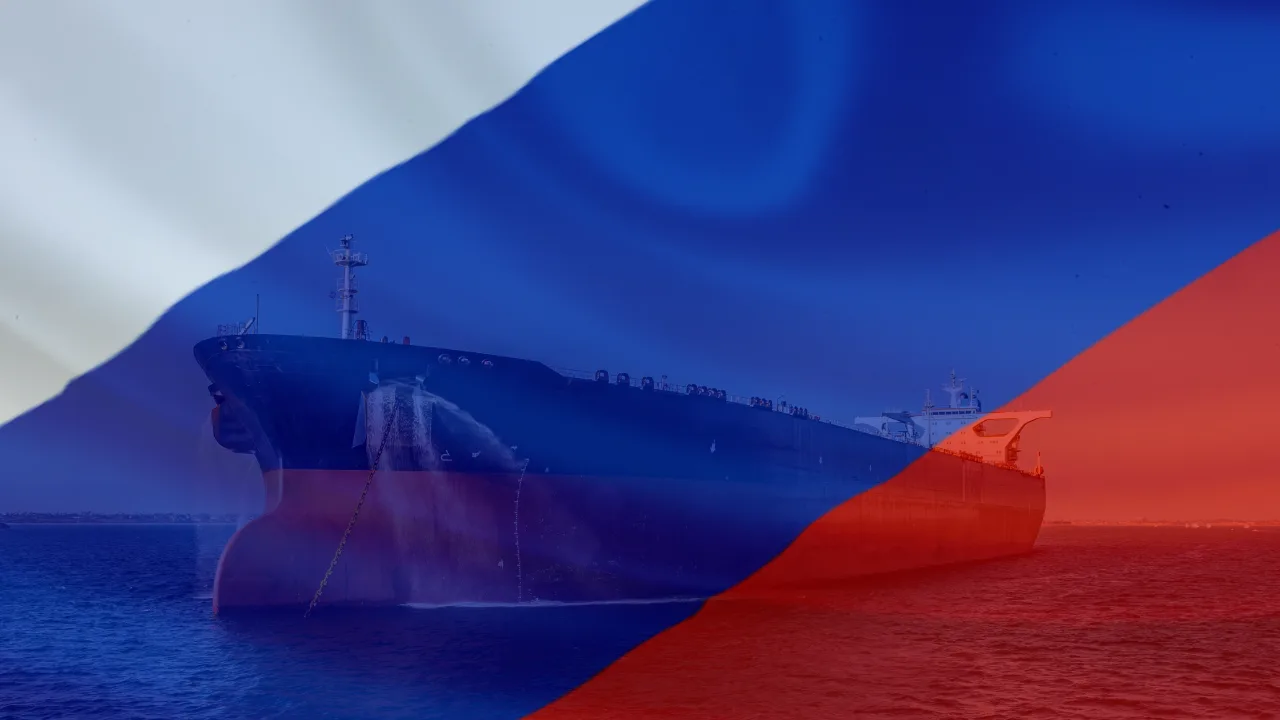
A Russian oil tanker, widely identified as the Anatoly Kolodkin, has entered Cuban waters carrying an estimated 650,000 to 730,000 barrels of crude oil. The shipment is expected to unload at Matanzas, one of Cuba’s most important energy hubs.
For Cuba, this is not just another shipment. It is a lifeline.
The country has been dealing with one of the worst energy crises in its modern history. Over the past several months, fuel imports have dried up almost completely. The result has been:
- Prolonged nationwide blackouts
- Severe transportation disruptions
- Strain on hospitals and critical infrastructure
- Economic paralysis in key sectors
This shipment could temporarily stabilize parts of the grid. However, most estimates suggest it will only provide days or weeks of relief, not a long-term solution.
Why Cuba Ran Out of Oil in the First Place
Cuba’s energy crisis did not happen overnight. It is the result of multiple supply shocks converging at once.
For years, Cuba relied heavily on oil imports from Venezuela. That relationship has weakened significantly due to Venezuela’s own economic struggles and declining production capacity.
Mexico, another intermittent supplier, has also stepped back from providing fuel shipments.
At the same time, the United States increased economic pressure on countries supplying oil to Cuba. This included:
- Sanctions enforcement
- Diplomatic pressure
- Potential tariff threats on suppliers
The result was predictable. Suppliers backed away, and Cuba’s already fragile energy system collapsed under the strain.
By early 2026, the country was facing rolling blackouts that lasted for hours or even days in some regions.
The U.S. Reversal: Letting Russian Oil Through
Here is where the story takes a sharp turn.
Despite earlier efforts to limit oil flows into Cuba, the United States ultimately allowed this Russian tanker to proceed.
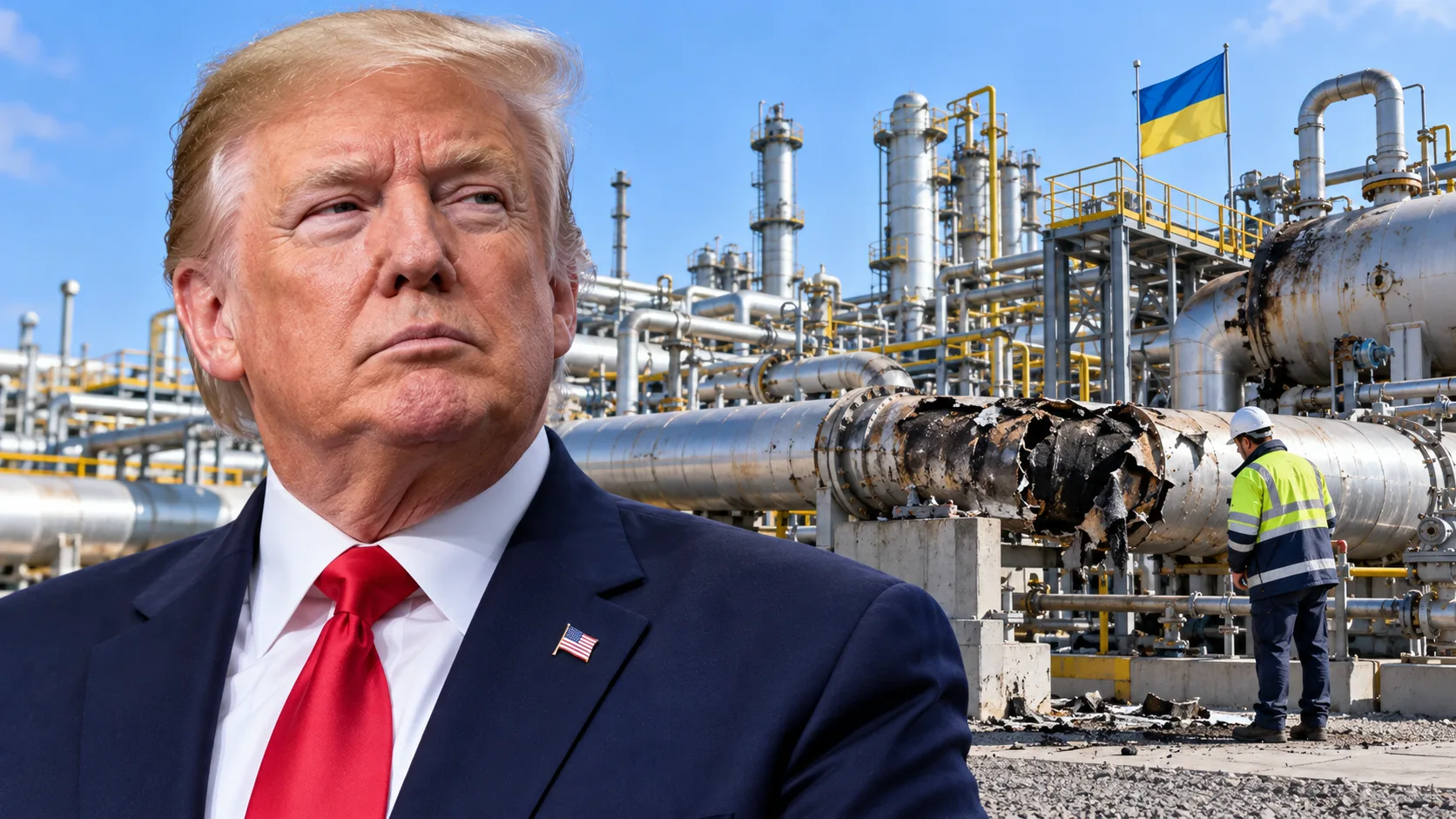
President Donald Trump publicly acknowledged the situation, stating that Cuba “has to survive,” framing the decision as a humanitarian necessity rather than a policy shift.
But make no mistake. This is not purely humanitarian.
This move signals a strategic balancing act:
- Avoid total collapse in Cuba, which could trigger mass migration or instability
- Maintain pressure without pushing the situation into a full-blown crisis
- Prevent other geopolitical actors from gaining too much influence
However, by allowing the shipment, the U.S. may have unintentionally opened the door for something bigger.
Russia’s Strategic Play: A Return to the Western Hemisphere
Russia’s involvement in Cuba is not new. But this latest move marks a clear escalation.
By stepping in to supply oil during a crisis, Moscow is doing more than just selling energy. It is:
- Strengthening ties with a long-standing ally
- Expanding its geopolitical footprint near U.S. borders
- Demonstrating its ability to operate despite Western sanctions
Some reports suggest that vessels involved in these shipments may be connected to Russia’s so-called “shadow fleet,” which has been used to move oil outside traditional Western oversight.
That matters.
Because it shows that Russia is not just reacting to sanctions. It is actively building alternative systems to bypass them.
For investors, this is a key signal. The global energy system is becoming more fragmented and less predictable.
A Modern Echo of Cold War Tensions
It is impossible to ignore the historical context here.
Cuba sits roughly 90 miles from Florida. During the Cold War, it was the focal point of one of the most dangerous standoffs in modern history.
Today, the dynamics are different, but the underlying tension is familiar.
Instead of nuclear missiles, the battleground is now:
- Energy supply chains
- Sanctions enforcement
- Economic influence
Russia providing oil to Cuba is not just a business transaction. It is a geopolitical statement.
And it raises an important question:
How far will the U.S. allow this relationship to develop?
Why This Matters for Global Oil Markets
At first glance, one tanker delivering oil to Cuba may not seem like it would move global markets.
But that is not how energy markets work.
Oil prices are influenced not just by supply and demand, but by risk perception.
This situation introduces several new risks:
1. Increased geopolitical tension
Any escalation between the U.S. and Russia in the Western Hemisphere could impact market sentiment.
2. Supply chain disruptions
If future shipments are blocked or delayed, it could tighten regional supply and create ripple effects.
3. Sanctions uncertainty
If enforcement becomes inconsistent, it complicates pricing and trading strategies for global energy companies.
4. Energy fragmentation
More countries may begin forming alternative supply networks outside traditional Western systems.
All of this contributes to higher volatility.
About Author