Millions of retirees could be facing one of the largest reductions in Social Security benefits in the program’s history unless Congress acts within the next several years. A newly reintroduced bipartisan proposal aims to break Washington’s political gridlock before that happens, but critics argue it could simply delay meaningful action while the financial clock continues to tick.
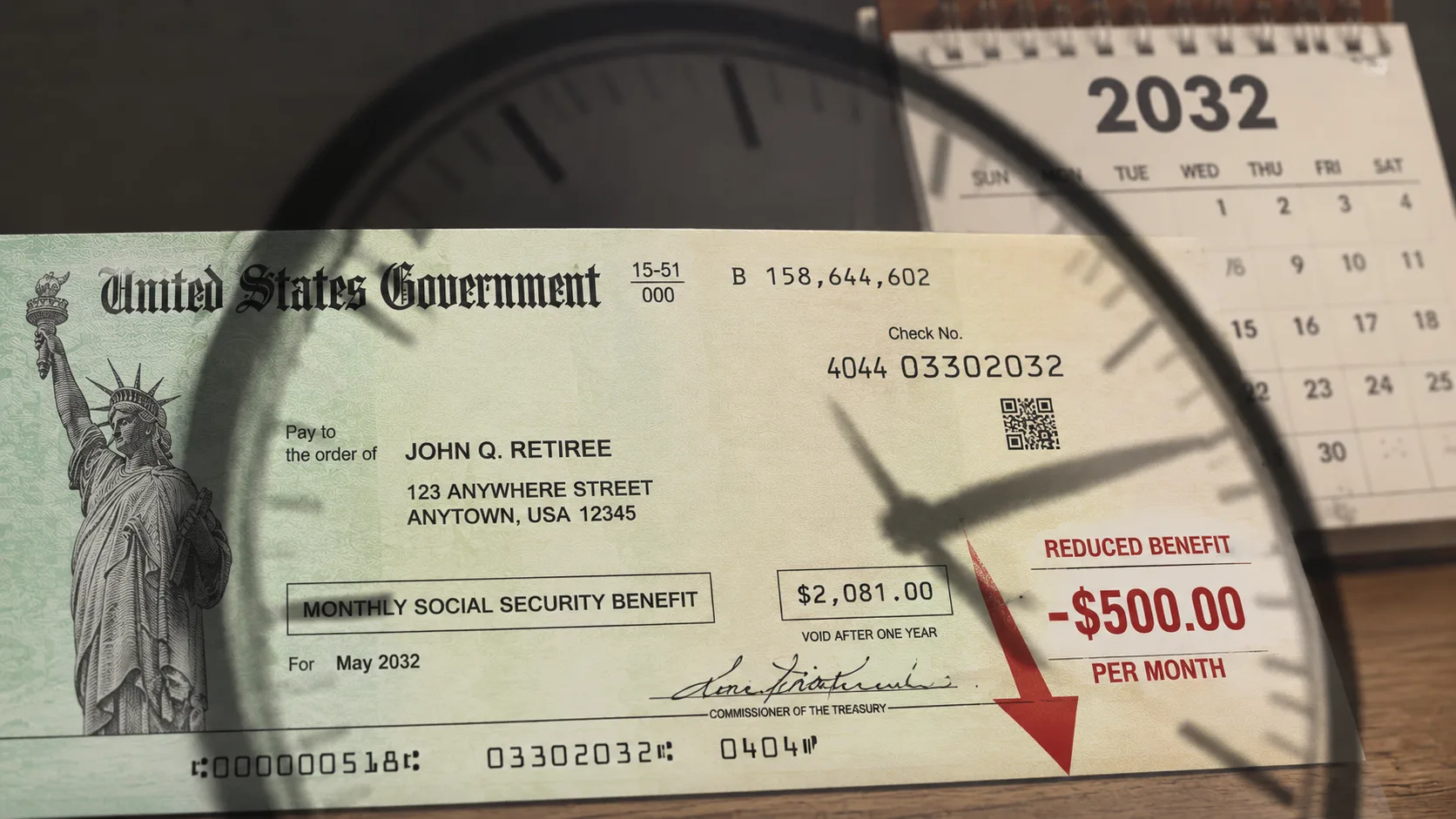
At the center of the debate is a sobering projection: if lawmakers fail to strengthen Social Security’s finances before the retirement trust fund is depleted, beneficiaries could see an automatic reduction of approximately 24% beginning as early as 2032. For the average retiree, that translates into roughly a $500 monthly cut, a reduction that could dramatically alter retirement budgets across America.
A New Push to Rescue Social Security
Rep. Gus Bilirakis (R-Fla.) has reintroduced the Commission on Sustaining Medicare and Social Security Act, legislation that would establish an independent bipartisan commission tasked with developing long-term solutions for both Social Security and Medicare.
Rather than writing legislation itself, the commission would study the financial outlook of both programs, evaluate potential reforms, and submit recommendations to Congress for consideration.
“Medicare and Social Security represent a sacred promise to America’s seniors, disabled individuals and working families who have paid into these programs throughout their lives,” Bilirakis said in announcing the legislation.
He warned that every year Congress delays action reduces the number of available solutions and increases the likelihood of painful policy changes.
The proposal arrives as policymakers await the Social Security Trustees’ latest annual report, which is expected to provide updated projections for the program’s financial health.
Why the 2032 Deadline Matters More Than Ever
The biggest concern centers on the Old-Age and Survivors Insurance (OASI) Trust Fund, which pays retirement and survivor benefits to more than 70 million Americans.
According to projections from Social Security Chief Actuary Karen Glenn and the Congressional Budget Office, the retirement trust fund could become insolvent as early as 2032.
That does not mean Social Security disappears.
Instead, once the trust fund reserves are exhausted, federal law requires the program to pay benefits only from incoming payroll tax revenue. Since that revenue would no longer fully cover promised benefits, every recipient would receive an automatic reduction.
Current estimates point to an across-the-board cut of approximately 24%.
What a 24% Reduction Could Mean for Retirees
For many retirees, a 24% reduction would represent one of the largest financial shocks they have faced in retirement.
The average retired worker currently receives about $2,081 per month in Social Security benefits.
Applying the projected reduction would lower that payment by nearly $500 each month, leaving many retirees with approximately $1,580 instead.
The Committee for a Responsible Federal Budget estimates the average monthly reduction would range from roughly $459 to $556, depending on where beneficiaries live.
For retirees who depend heavily on Social Security to cover housing, groceries, healthcare, and utilities, a reduction of that size could force significant changes to spending plans.
Why the Financial Outlook Worsened
Last year’s trustees projected trust fund depletion in 2033.
Since then, the timeline has moved forward by roughly one year.
One contributing factor is the recently enacted One Big Beautiful Bill Act, which temporarily expanded tax deductions for many seniors. While beneficial for some retirees, those tax changes are also expected to reduce revenue flowing into Social Security over the coming years.
The result is increased urgency for lawmakers to address the program’s finances before automatic cuts become unavoidable.
Not Everyone Thinks Another Commission Is the Answer
While Bilirakis argues a bipartisan commission could help remove politics from the conversation, not everyone agrees.
Nancy Altman, president of Social Security Works, argues Congress already knows the available policy options and should act immediately rather than creating another commission.
According to Altman, lawmakers could strengthen Social Security by requiring higher-income Americans to pay payroll taxes on more of their earnings instead of allowing wages above the annual taxable maximum to remain exempt.
For 2026, Social Security payroll taxes apply only to the first $184,500 of earnings. Income above that level is not subject to Social Security payroll taxes.
Altman contends that lifting or eliminating that cap would significantly improve the program’s finances without reducing benefits.
She also warned that commissions can sometimes be used to shield elected officials from politically difficult decisions involving benefit reductions.
One Inflation Formula Could Also Face New Scrutiny
The proposed commission would examine another issue that has frustrated many retirees for years: how annual Social Security cost-of-living adjustments (COLAs) are calculated.
Currently, COLAs are based on the Consumer Price Index for Urban Wage Earners and Clerical Workers (CPI-W).
Many retirement advocates argue that this measure does not accurately reflect how older Americans spend money.
Because retirees generally devote larger portions of their budgets to healthcare, prescription drugs, housing, and long-term care, some experts favor replacing CPI-W with the Consumer Price Index for the Elderly (CPI-E).
Supporters believe such a change could produce COLAs that more closely match the inflation seniors actually experience.
Washington Has Solved This Problem Before
Although today’s projections are concerning, they are not unprecedented.
The last major Social Security overhaul occurred in the early 1980s after lawmakers waited until the program faced severe financial pressure.
President Ronald Reagan and House Speaker Tip O’Neill ultimately worked together through a bipartisan commission that produced reforms including a gradual increase in the full retirement age and other financing changes that helped stabilize Social Security for decades.
Bilirakis believes that history offers a roadmap for today’s lawmakers.
He argues that bipartisan cooperation rather than partisan confrontation offers the best chance of preserving Social Security for future generations.
What Investors and Retirees Should Watch Next
The release of the next Social Security Trustees Report will likely intensify debate over the program’s future and could place renewed pressure on Congress to begin negotiations.
While insolvency does not mean Social Security will stop sending checks, the projected automatic benefit reductions represent a growing retirement planning risk for millions of Americans.
For investors approaching retirement, the debate underscores the importance of building income sources beyond Social Security. Portfolio withdrawals, pensions, annuities, dividend income, and other retirement assets may become increasingly important if Congress cannot agree on reforms before the trust fund reaches its projected deadline.
Whether lawmakers ultimately choose higher payroll taxes, benefit adjustments, changes to retirement age, revised COLA calculations, or a combination of reforms, one reality has become increasingly difficult to ignore: the closer the calendar moves toward 2032, the fewer painless options remain.
About Author