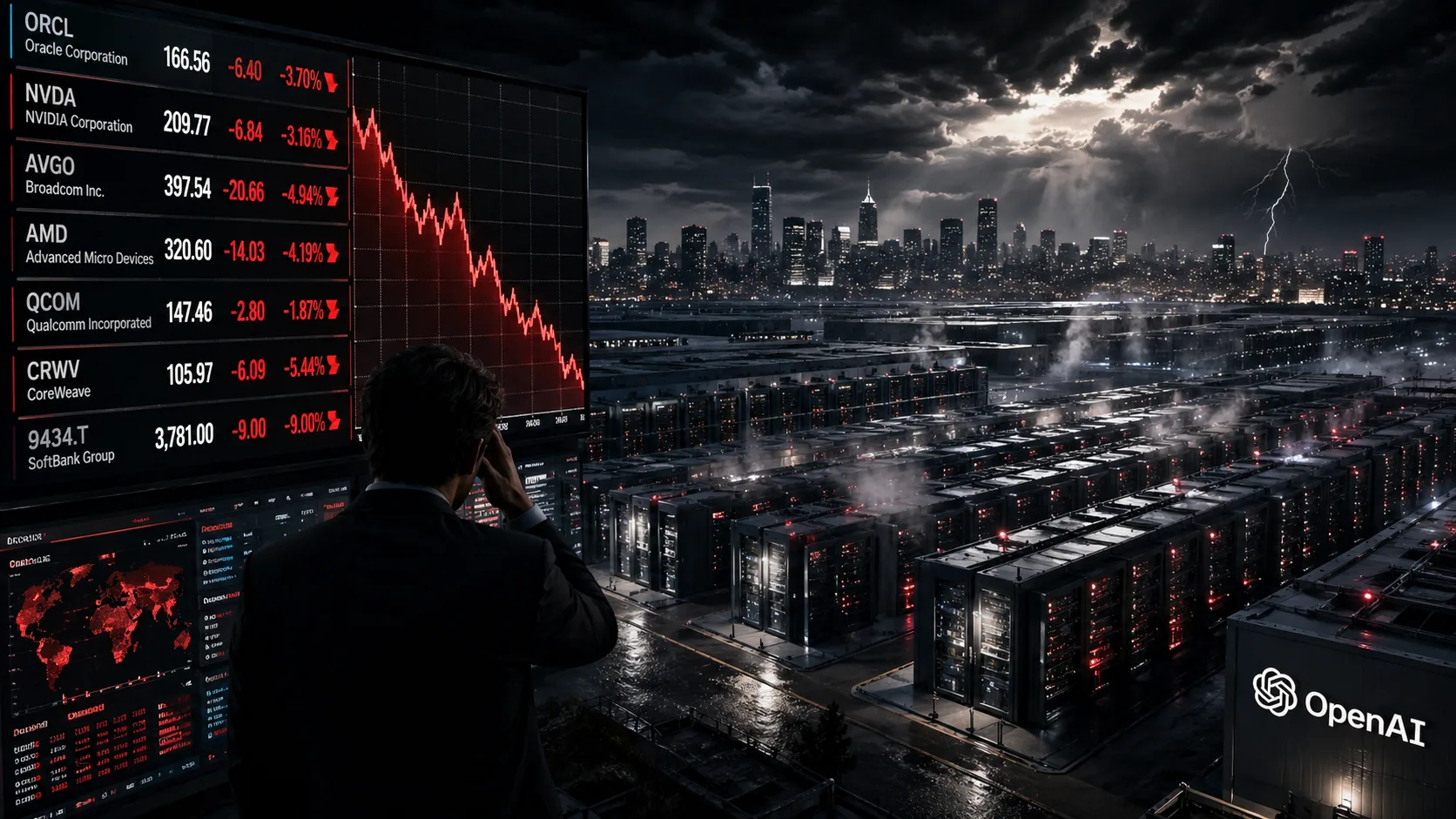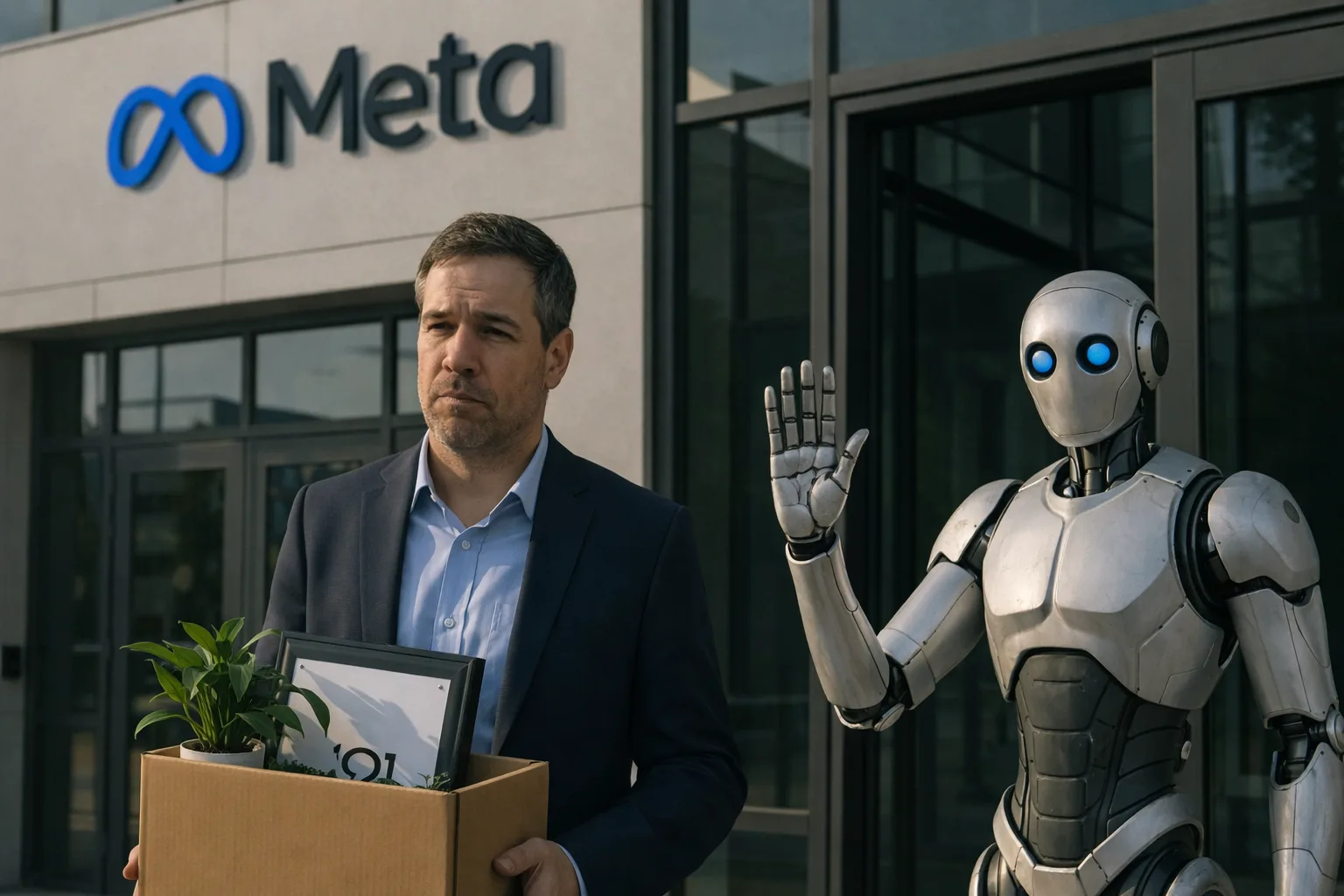
Meta just made its move, and the signal is hard to ignore.
The company is slashing roughly 10% of its workforce, about 8,000 jobs, while simultaneously ramping spending on artificial intelligence to levels that dwarf most competitors. This is not a one-off cost-cutting exercise. This is a structural shift in how big tech operates and how capital gets deployed going forward.
Investors should be paying very close attention.
What Just Happened
Meta Platforms confirmed it will cut around 10% of its workforce, with layoffs taking effect on May 20. The company is also shutting down about 6,000 open roles, signaling a broader pullback in hiring.
The move comes as Meta pours massive capital into AI infrastructure.
- 2025 capital expenditures: $72.2 billion
- Expected 2026 capex: at least $115 billion
This spending is being directed toward data centers, advanced AI systems, and talent tied to its superintelligence ambitions. The company has also been aggressively acquiring AI startups to stay competitive with players like OpenAI.
Meta’s Chief People Officer Janelle Gale said:
“We’re doing this as part of our continued effort to run the company more efficiently and to allow us to offset the other investments we’re making.”
CEO Mark Zuckerberg had already telegraphed this shift earlier this year:
“We’re starting to see projects that used to require big teams now be accomplished by a single very talented person.”
The market reaction was immediate. Meta stock slipped more than 2% on the news.
Why This Matters (Investor Angle)
This is bigger than Meta.
This is the blueprint for the next phase of the tech cycle.
1. AI Is Replacing Labor Faster Than Expected
The key takeaway is simple: companies are discovering they can do more with fewer people.
That has massive implications:
- Lower operating costs over time
- Higher margins for companies that execute well
- Pressure on white-collar employment across sectors
This trend is already spreading. Amazon announced 16,000 layoffs earlier this year. Block Inc. cut roughly 40% of its workforce.
The pattern is clear. AI is not a future story. It is actively reshaping cost structures today.
2. Capital Is Flooding Into AI Infrastructure
Meta’s projected $115 billion in capex is staggering.
That kind of spending benefits a very specific group of companies:
- Semiconductor leaders
- Data center operators
- Energy providers tied to power-hungry AI systems
- Cloud infrastructure firms
This is where the real money is moving.
If Meta and its peers continue this pace, entire sectors will see sustained demand cycles that look very different from traditional tech spending waves.
3. Margins Could Expand, But Not Immediately
Here is where investors need nuance.
Cutting jobs helps margins. Massive AI spending hurts them in the short term.
That creates a tension:
- Near term: higher costs, lower free cash flow
- Long term: leaner workforce, higher productivity, stronger margins
Markets will likely reward companies that can show early signs of efficiency gains without letting spending spiral out of control.
The Real Story
This is not about layoffs.
This is about a full-scale reallocation of capital from people to machines.
For years, tech companies scaled by hiring aggressively. That era is over.
Now the game is:
- Replace labor with AI
- Redirect savings into infrastructure
- Build competitive moats around data and compute
What Zuckerberg is signaling is deeper than cost-cutting. He is describing a world where elite talent plus AI replaces entire teams.
That changes how companies are built.
It also changes how investors should evaluate them.
Headcount growth used to signal expansion. Going forward, declining headcount paired with rising output could be the stronger signal.
What Happens Next
Watch these closely:
- More layoffs across tech and finance
Expect similar announcements from large-cap companies trying to optimize for AI efficiency - Explosive demand for chips and data centers
AI infrastructure buildout is still early - Policy and political backlash
Job losses tied to AI could trigger regulatory pressure or new labor policies - Earnings calls shifting tone
Management teams will start emphasizing productivity per employee and AI-driven output - Stock market bifurcation
Companies investing effectively in AI will separate from those falling behind
Bottom Line
Meta just confirmed what many suspected but few fully priced in.
AI is not just a growth story. It is a cost-cutting machine that is already reshaping corporate America.
The winners will be companies that successfully convert AI spending into real productivity gains. The losers will be those that spend heavily without seeing measurable returns.
For investors, the signal is clear.
Follow the capital. Follow the infrastructure. And pay attention to which companies can do more with less.
About Author