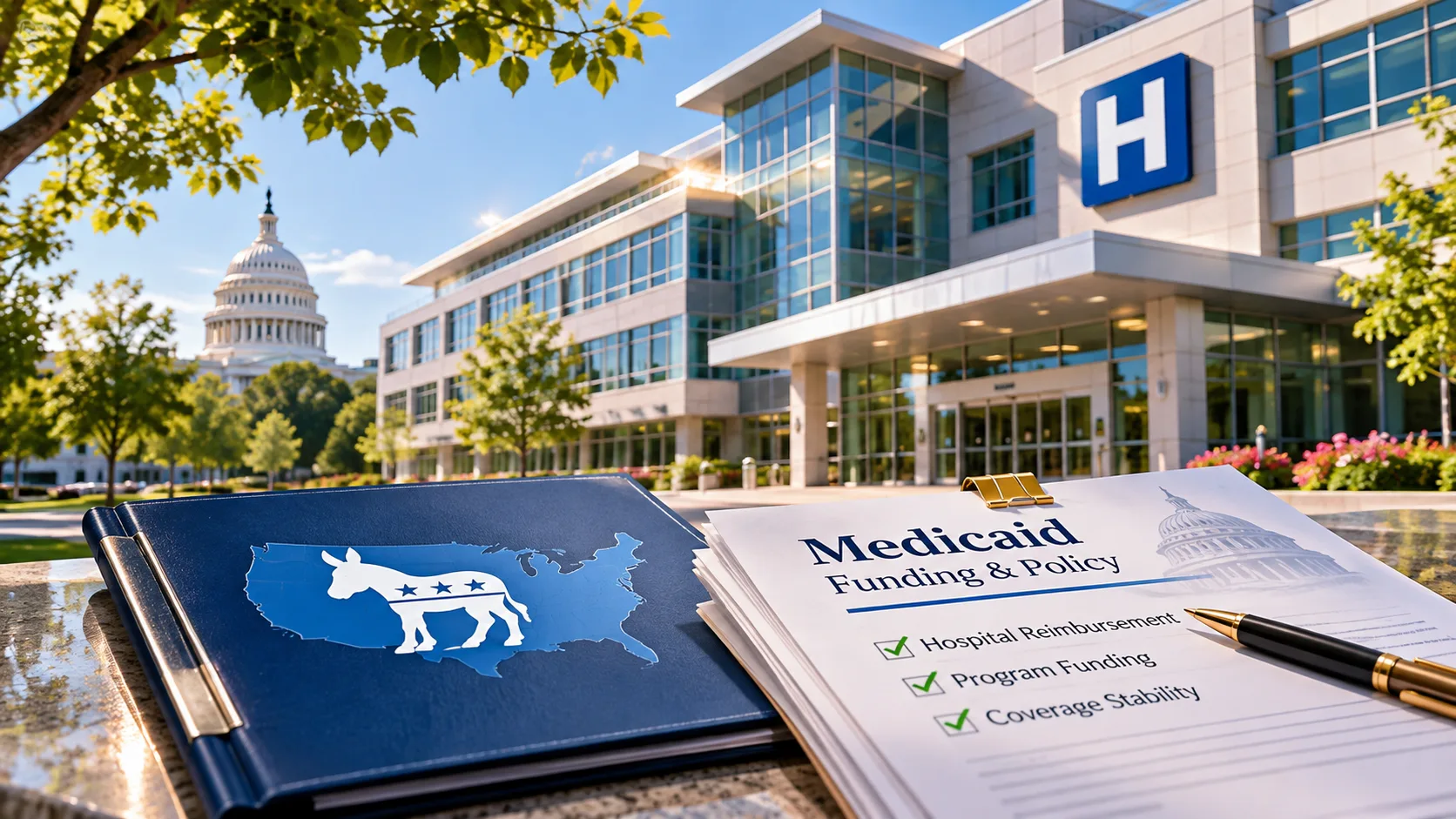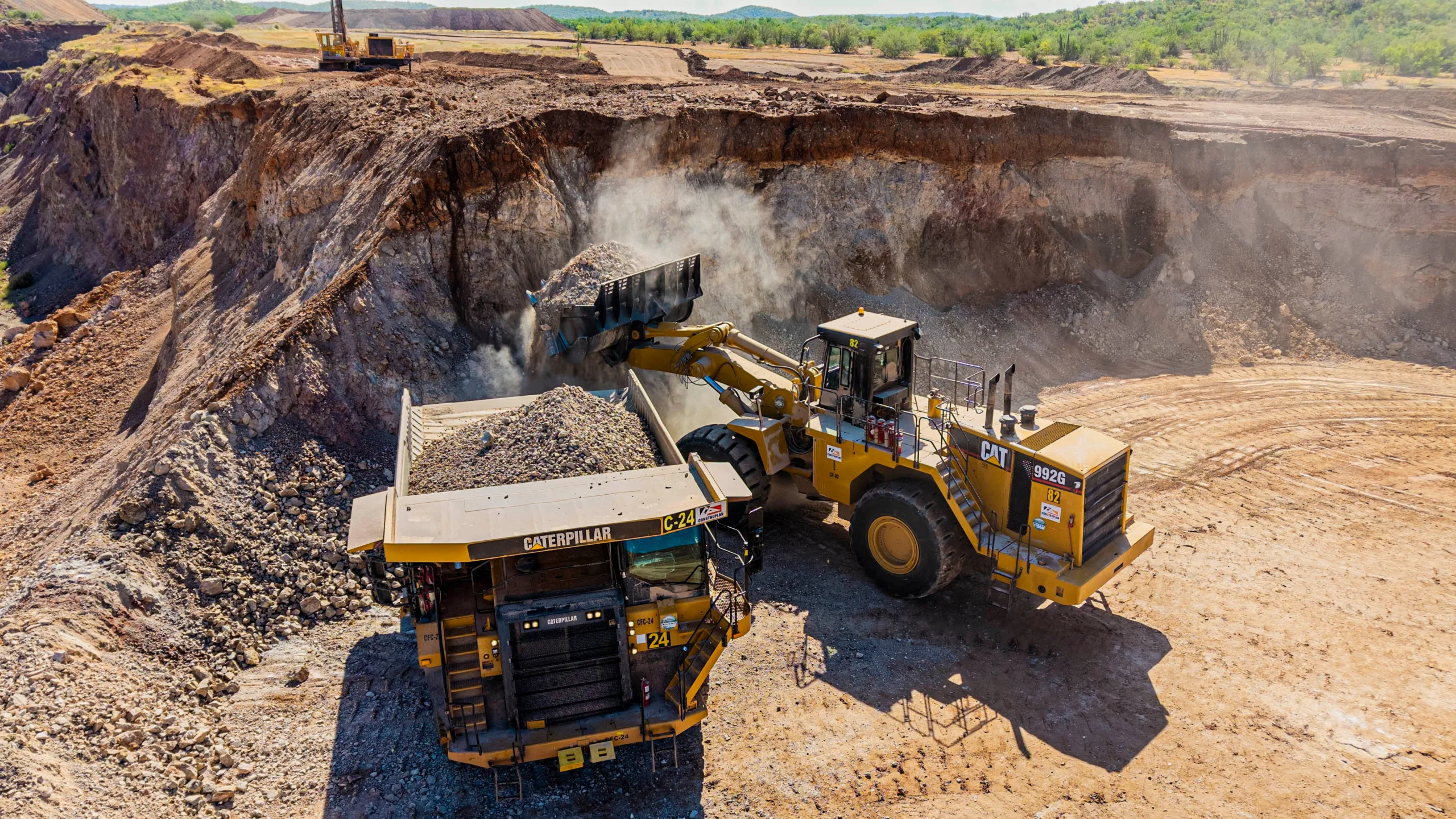


Tesla and SpaceX have taken their first formal step toward a possible merger, opening a process that could combine Elon Musk’s two most valuable companies and fundamentally change what shareholders own.
Musk disclosed Tuesday evening that both companies have formed special committees of independent directors to evaluate a combination. He supports the idea, although the committees have not agreed on transaction terms and shareholders would still need to approve any proposed deal.
The announcement gives substance to months of speculation. It also raises a question that matters more than the size of Musk’s expanding business empire: What would investors receive in exchange for the shares they already own?
The Merger Process Has Begun
Musk discussed the potential combination during SpaceX’s October 20 earnings call, saying shareholders had requested that the companies examine the idea. Because he has substantial ownership interests in both businesses, he said he cannot participate in the special committees’ discussions.
“Do I think it would be a good idea? Yes,” Musk said.
He also cautioned investors against treating a merger as certain. There is no agreed purchase price, exchange ratio, completion date or final transaction structure. The committees could reach an agreement, continue negotiating or conclude that the companies should remain separate.
Investors initially welcomed the development alongside SpaceX’s strong quarterly results. Wednesday morning reporting showed SpaceX shares rising around 10% and Tesla gaining approximately 4%. Those moves reflect enthusiasm about earnings and a potential deal, with neither company having announced a binding merger agreement.
Using the companies’ recent stock market valuations, a combination would bring together businesses worth roughly $3.5 trillion. That figure describes their approximate combined equity value. It does not establish what either company would pay for the other.
The final economics would depend on negotiated terms and share prices that continue to move throughout the process.
Why Musk Wants to Bring Them Together
The most visible example of Tesla and SpaceX working together arrived last week, when Tesla demonstrated its next-generation Roadster using SpaceX technology. The companies’ ambitions extend considerably further into artificial intelligence, chips, robotics, manufacturing and satellite connectivity.
During Tuesday’s call, Musk pointed to those overlapping activities as reasons to consider a combination. SpaceX President Gwynne Shotwell also highlighted connectivity as an area of cooperation.
There is a plausible business case for sharing technology and coordinating investment. AI systems require computing capacity, specialized hardware and large amounts of electricity. Robots and autonomous vehicles require software, chips and manufacturing capabilities. Satellite networks provide another means of connecting those systems.
A combined company could make decisions about these projects under one board and one capital budget. That could reduce the friction involved when separate public companies negotiate contracts, share technology or allocate development expenses.
The committees will need to determine how much additional value common ownership would create. Tesla and SpaceX already cooperate, so a merger would need to offer benefits beyond arrangements they can establish through commercial agreements.
That distinction becomes especially important when shareholders are being asked to exchange ownership in one business for ownership in a much broader group.
SpaceX Has Already Become Much More Than a Rocket Company
SpaceX’s financial results help explain why the merger discussion is attracting so much attention.
For the quarter ended September 30, the company reported approximately $14.6 billion in revenue, up 161% from a year earlier, and $4.4 billion in net income. Its business now includes a substantial AI operation alongside launches and satellite communications.
The company’s financial filing shows how different those operations have become:
| SpaceX Business | Third-Quarter Revenue | Operating Income or Loss |
|---|---|---|
| Space, including launch operations | $1.77 billion | $7 million loss |
| Connectivity, including Starlink | $5.25 billion | $2.37 billion profit |
| Super Intelligence | $7.56 billion | $431 million profit |
The AI segment generated the most revenue, while Connectivity produced the largest operating profit. SpaceX spent approximately $19.6 billion on capital investments during the quarter, including $16.4 billion in its AI segment.
That spending is expected to accelerate. Management projected fourth-quarter capital expenditures of $35 billion to $40 billion.
For a prospective Tesla shareholder, those figures illustrate both the opportunity and the obligation that could come with a merger. SpaceX provides exposure to rapidly expanding businesses, along with enormous requirements for equipment, infrastructure and financing.
Quarterly accounting profit also differs from cash available after capital spending. Investors evaluating a combination will need to examine operating cash flow, debt and future investment commitments alongside earnings.
What Tesla and SpaceX Shareholders Would Need to Consider
The Exchange Ratio Would Determine Ownership
In a stock transaction, the exchange ratio specifies how many shares investors receive in the combined business for each share they currently hold.
That number determines how future earnings, assets and risks are divided between the two shareholder groups. An exchange ratio favorable to Tesla shareholders could be less attractive to existing SpaceX shareholders, and vice versa.
A larger combined market value does not automatically increase the value of an individual investor’s stake. The percentage of the business that investor receives matters just as much.
Wednesday morning brought one example of how analysts are approaching the calculation. RBC analyst Tom Narayan outlined a hypothetical transaction valuing Tesla at $480 per share, with Tesla shareholders receiving 3.23 SpaceX shares for each Tesla share and owning approximately 48% of the combined company.
Those figures are an analyst’s scenario. Neither company has offered those terms.
Musk’s Control Would Require Close Attention
Musk’s interests sit on both sides of the negotiations. He wants both businesses to succeed, while each committee must evaluate the transaction from the perspective of its own company and shareholders.
Yahoo Finance reported that Musk holds a substantially larger economic stake in SpaceX than in Tesla and controls SpaceX through shares with greater voting power. Barclays analysts believe a transaction could increase his control over a combined enterprise. The outcome would depend on the structure ultimately negotiated.
Shareholders should examine voting rights, board composition and protections for outside investors as carefully as any proposed takeover premium. A favorable initial price can have lasting consequences if it comes with reduced influence over future corporate decisions.
Owning Both Stocks Could Provide Less Diversification
Investors holding Tesla and SpaceX separately currently have claims on two different corporate balance sheets. A merger could turn those positions into a larger stake in the same company.
The combined business would operate across several industries, potentially spreading revenue across more activities. It would also concentrate decision-making and expose both groups of shareholders to the same financing choices, governance risks and large development projects.
For someone who owns both stocks, the practical question would be how much of the overall portfolio ends up tied to the combined enterprise.
Tesla Shareholders Face a Significant Voting Decision
Musk said approval on Tesla’s side would require support from 50% of all shares, describing that threshold as a high hurdle. A large favorable majority among the shares actually voted would therefore be insufficient if too many shareholders failed to participate.
Tesla has also introduced a voluntary retail voting program that could become relevant to future shareholder decisions.
According to Tesla, participants can authorize standing instructions to vote with the board’s recommendations. One option includes all matters; another excludes contested director elections and certain major transactions, including mergers requiring shareholder approval. Investors can override the instructions by casting their own votes or leave the program.
The standing instructions apply to eligible future meetings and do not apply to Tesla’s current 2026 annual meeting. Enrollment itself does not constitute approval of a Tesla-SpaceX merger.
For shareholders interested in a potential transaction, reading the eventual proxy materials would be essential. Those documents should explain the proposed terms, financial assumptions, conflicts of interest and board recommendations.
A Bigger Company Could Also Receive a Lower Valuation
The optimistic case assumes investors would pay more for a company combining Tesla’s capabilities with SpaceX’s expanding operations.
There is another possibility: investors could apply a discount to a business that becomes harder to understand and value.
A shareholder who wants exposure to satellite communications may have limited interest in automobile manufacturing. An investor buying Tesla for robotics or autonomous driving may view launch development and space infrastructure as additional financial commitments.
If the combined company requires investors to accept too many unrelated risks, some could demand a lower valuation. That is a potential market response, rather than a prediction that the merger would destroy value.
The committees’ challenge is to show how common ownership could produce enough additional earnings or cash flow to compensate shareholders for the added complexity.
The Next Developments That Matter
Tesla is scheduled to release its third-quarter results after the market closes Wednesday, October 21, followed by a webcast at 5:30 p.m. Eastern. The company previously reported 486,532 vehicle deliveries and 13.7 gigawatt-hours of energy storage deployments for the quarter. Its financial results will provide a clearer picture of the business shareholders would bring into any combination. Tesla Investor Relations
Beyond earnings, the most useful developments would be:
- An agreement on terms. This would establish the proposed price, exchange ratio and ownership split.
- Detailed financial disclosures. These would show how the businesses expect to fund their projects and what benefits they attribute to a merger.
- A proposed governance structure. Voting rights and board arrangements would clarify who controls the combined company.
- A formal shareholder vote. This would give investors a concrete proposal to accept or reject.
- Regulatory requirements and a closing timetable. These would reveal the remaining conditions and execution risks.
Tesla and SpaceX have reached a meaningful stage in a process that could reshape both companies. Shareholders now have a confirmed review to follow, with the most consequential details still to be negotiated. The eventual terms will determine whether the combination creates a stronger investment or simply a much larger company.
About Author