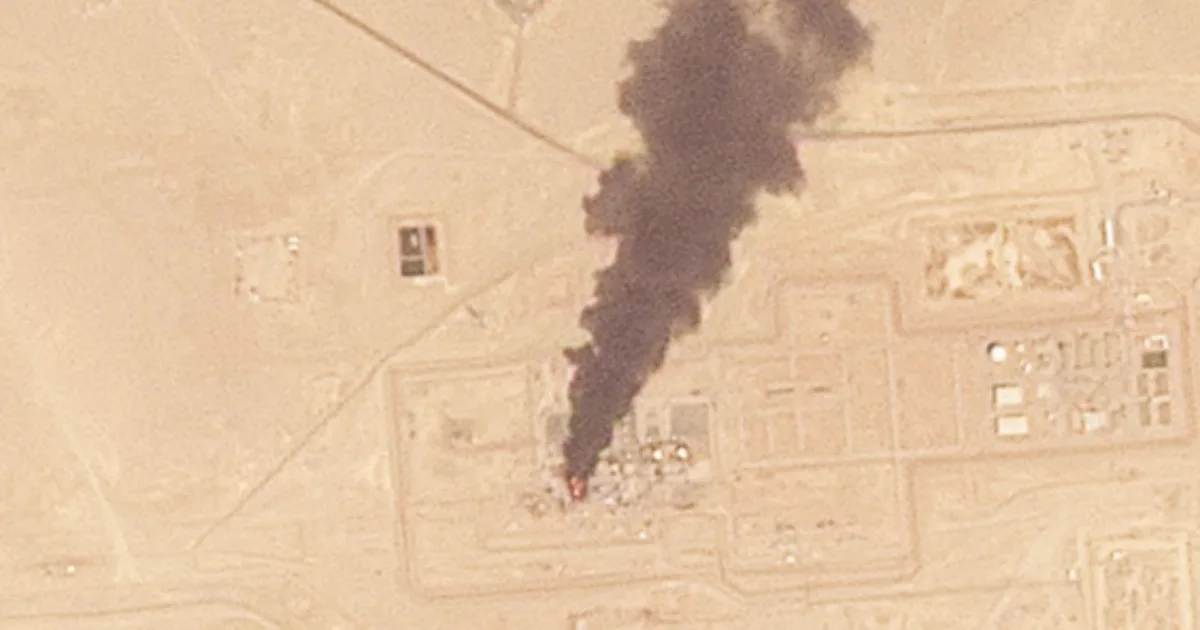
A drone attack has forced Saudi Arabia to shut down one of the world’s most strategically important oil pipelines, sending Brent crude above $108 a barrel and threatening a critical escape route for Middle Eastern oil at exactly the moment the Strait of Hormuz is already severely disrupted.
The immediate story is another attack on global energy infrastructure. The bigger problem is which pipeline was hit. Saudi Arabia’s East-West pipeline was designed to move crude across the country to the Red Sea, allowing millions of barrels of oil to bypass the Strait of Hormuz. With Hormuz already severely constrained by the regional conflict, the pipeline had become one of the most important pressure-release valves in the global oil market.
Now that pressure-release valve has been hit.
The Attack Sent Oil Above $108
The roughly 1,200-kilometer East-West pipeline carries Saudi crude from the kingdom’s oil-producing region in the east to the Red Sea port of Yanbu. Following the drone attack, Saudi Arabia shut down the pipeline as officials assessed the damage.
Oil markets reacted quickly. Brent crude climbed above $108 a barrel Monday, extending an extraordinary rise in energy prices as the Middle East conflict increasingly moves from a geopolitical crisis into a direct threat to the infrastructure that keeps the global economy supplied with oil.
That distinction matters because markets can absorb threatening rhetoric, military strikes and even temporary shipping disruptions when traders believe alternative supply routes remain available. Physical damage to the infrastructure designed to provide those alternatives creates a much more difficult problem.
Saudi Arabia’s Backup Route Just Became a Target
The East-West pipeline may be more strategically important today than it has been in decades. Saudi Arabia normally exports enormous volumes of crude through the Persian Gulf and the Strait of Hormuz. When shipping through Hormuz becomes dangerous or impossible, the kingdom can instead send oil west across the Arabian Peninsula and load it onto tankers at Yanbu.
The pipeline has a normal crude capacity of roughly 5 million barrels per day and can temporarily handle as much as 7 million barrels per day. That makes it one of the world’s most important pieces of insurance against a Hormuz crisis.
The U.S. Energy Information Administration has identified Saudi Arabia and the United Arab Emirates as the two major regional producers with operating pipeline infrastructure capable of bypassing Hormuz, with Saudi Arabia possessing by far the larger route.
That creates a dangerous new question for oil markets: What happens if the Strait of Hormuz remains severely disrupted and the infrastructure designed to bypass it can also be attacked?
The answer could determine whether oil’s move above $108 is temporary or the beginning of another major leg higher.
The World’s Oil Chokepoints Are Becoming Connected
The Saudi pipeline attack becomes more concerning when viewed alongside the broader deterioration in Middle Eastern shipping security. The Strait of Hormuz has already been severely disrupted by the widening conflict, while the Iran-backed Houthis have expanded their position around the Bab el-Mandeb, another crucial shipping passage connecting the Red Sea with the Gulf of Aden.
Oil producers need more than crude in the ground. They need functioning pipelines, ports and shipping lanes to get that crude to customers. Saudi Arabia’s East-West pipeline helped solve one of those problems by moving oil around Hormuz, but crude arriving at Yanbu still enters a Red Sea transportation system increasingly exposed to regional instability.
The risk is therefore spreading beyond a single chokepoint. Investors are increasingly looking at an interconnected network of pipelines, ports and shipping lanes where disruption at one location puts more pressure on the remaining routes.
That is what makes this attack potentially more consequential than the loss of one pipeline.
The Market May Be Watching the Wrong Number
The natural temptation right now is to focus on Brent crossing $108. There may be a more important number for investors to watch: how long the East-West pipeline remains impaired.
If Saudi Arabia can quickly repair the damaged infrastructure and restore normal flows, some of the geopolitical premium embedded in crude prices could ease. If the disruption lasts weeks, however, the calculation changes significantly.
Saudi Arabia has oil inventories and other logistical options that can cushion a temporary interruption, but those buffers become progressively less effective the longer a major export route remains unavailable. More importantly, if attackers demonstrate that they can repeatedly target pumping stations or other critical infrastructure along the route, traders may have to price a persistent vulnerability into Saudi exports even after the immediate damage is repaired.
That would represent a meaningful change in how markets assess Middle Eastern supply risk.
The Bigger Risk Is Losing the Backup Plan
The attack on Saudi Arabia’s East-West pipeline matters because the global oil system was already operating with fewer options. Hormuz is severely constrained, Red Sea security has deteriorated, and the Bab el-Mandeb has become another source of concern. Now one of the largest pieces of infrastructure designed to route oil around the region’s biggest chokepoint has been attacked.
None of that guarantees oil is headed dramatically higher, but the margin for error is shrinking. Every disrupted shipping lane or damaged piece of infrastructure places more pressure on the routes that remain available.
For investors, the next move in crude may therefore depend less on how much oil Saudi Arabia can produce and more on whether it can reliably move that oil to the rest of the world. With Brent already above $108, that distinction has suddenly become very expensive.
About Author