
President Donald Trump is warning that the United States could resume military strikes against Iran if diplomatic efforts fail, with a decision potentially coming after the November 3 midterm elections.
The warning comes as several Middle Eastern countries attempt to prevent another escalation, while oil prices remain elevated and attacks on shipping and energy infrastructure continue to threaten the global economy.
Trump Says a Decision on Iran Is Approaching
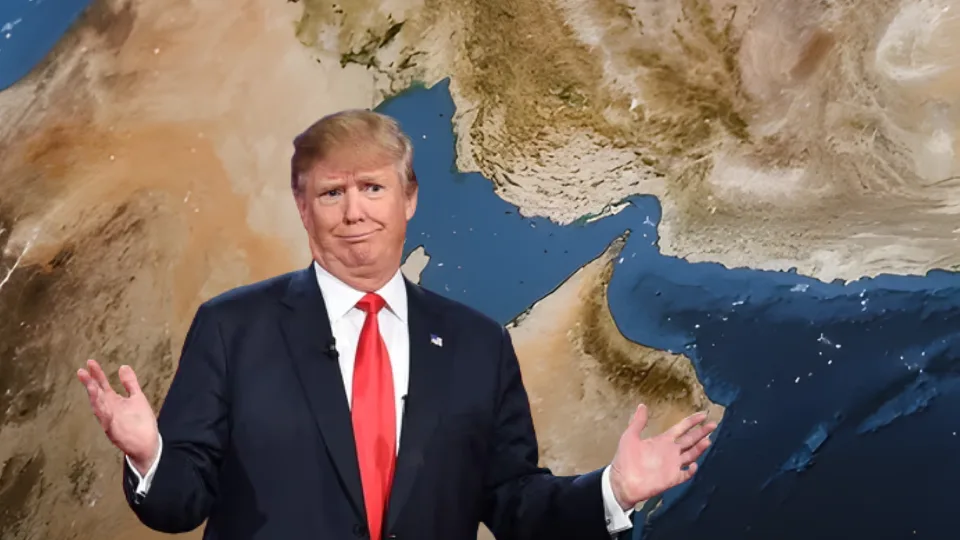
In a Sunday interview with Fox News, Trump described the choice facing his administration in unusually direct terms.
“Do I make a deal with them or do I finish them off?” Trump said. “That’s my, that’s the only question.”
He later added that taking further military action would be relatively easy and indicated that a decision was approaching.
Trump has previously suggested that additional strikes could take place after the November 3 elections. The United States has also moved additional military assets into the region, including a third aircraft carrier group, while reducing some diplomatic staffing because of security concerns.
The president specifically mentioned Pickaxe Mountain, a heavily fortified site associated with Iran’s nuclear program, as American officials continue monitoring Iranian nuclear facilities.
Trump claimed that previous attacks had destroyed three other nuclear sites and said U.S. intelligence was closely watching activity at Pickaxe Mountain.
Iran, meanwhile, has warned that it would respond to renewed American attacks. Iranian Foreign Minister Abbas Araghchi said Sunday that further military action would not change Tehran’s negotiating position.
Despite the increasingly confrontational rhetoric, Iranian officials say indirect communications with Washington remain open.
Regional Powers Race to Prevent Another War
Diplomatic efforts intensified Monday as senior officials from Saudi Arabia, Turkey, and Pakistan met Iranian officials in Tehran.
The talks are particularly significant because all three countries signed a mutual defense agreement in August, strengthening their security cooperation at a time when fighting has spread across the Middle East.
Saudi Arabia has become increasingly exposed to the conflict as Yemen’s Iran-backed Houthi militants launch missiles and drones toward Saudi targets.
Recent attacks have targeted locations including Riyadh’s airport and facilities associated with oil giant Saudi Aramco.
Saudi officials say their diplomatic outreach is intended to reduce tensions and prevent another major escalation.
Qatar has also been involved in mediation efforts, continuing its role as an intermediary between Washington and Tehran.
These diplomatic efforts could give Trump another path toward an agreement before military operations resume. However, neither Washington nor Tehran has publicly announced a breakthrough.
The Strait of Hormuz Remains the Biggest Economic Threat
For global markets, one of the most important developments is unfolding in the Strait of Hormuz, the narrow shipping passage connecting the Persian Gulf to international energy markets.
Trump claims American forces now control the waterway and that oil shipments have recovered to prewar levels.
The broader shipping situation remains considerably more complicated.
Both Washington and Tehran have claimed control over the strait, while attacks on commercial vessels and restrictions on shipping continue to interfere with regional trade.
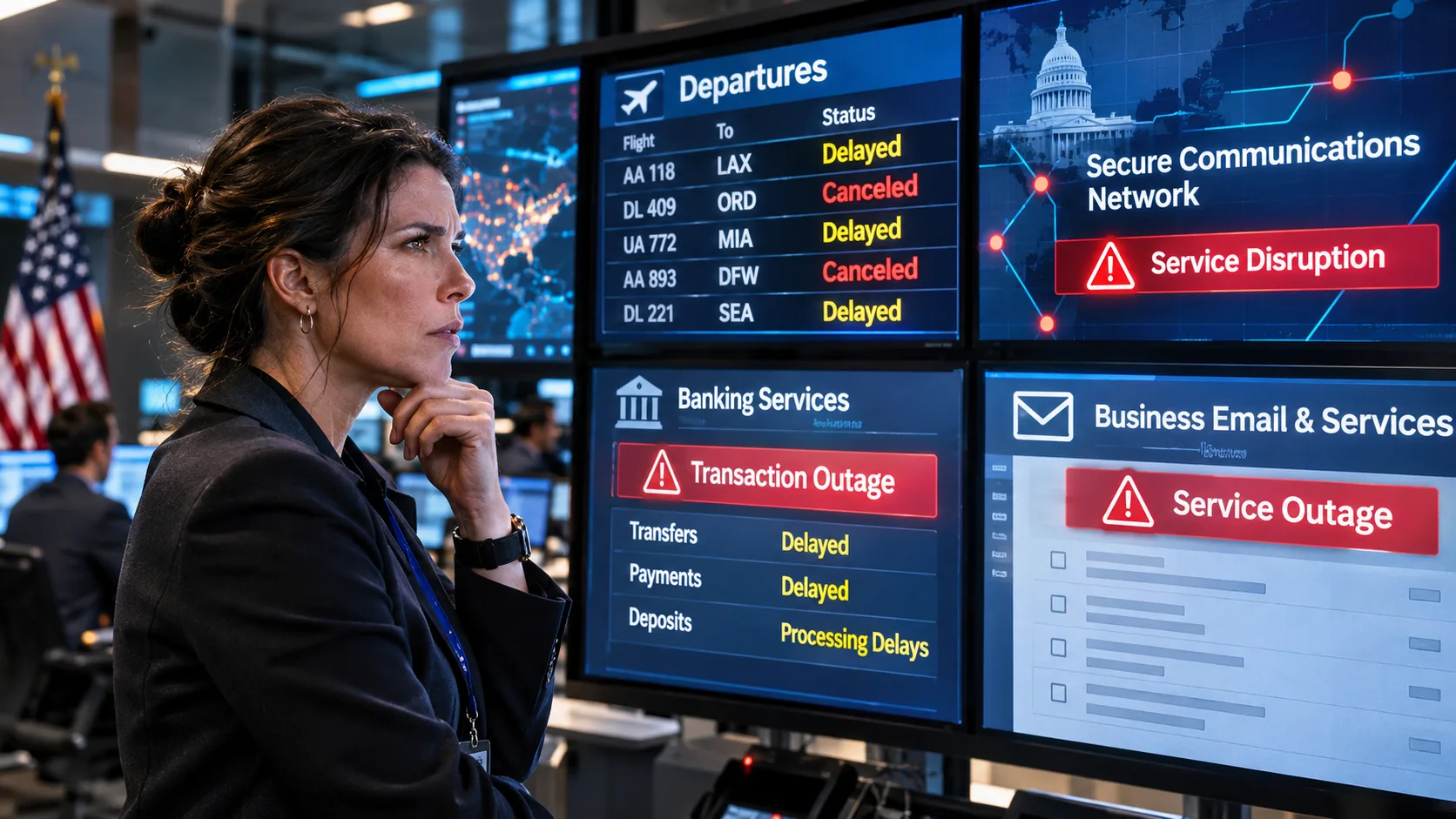
Even when oil tankers can move through the waterway, the possibility of renewed fighting increases insurance costs, complicates shipping schedules, and makes energy supplies less predictable.
A sustained disruption could affect far more than gasoline prices. The strait is a major route for crude oil, petroleum products, and liquefied natural gas, making it a critical link in global manufacturing and energy supply chains.
Oil Prices Are Already Reflecting the Risk
~$115
Elevated
Brent crude per barrel, early Monday, October 26, according to CBS News
International benchmark Brent crude was trading around $115 per barrel early Monday, after rising last week amid concerns about global energy supplies.
Oil markets are particularly sensitive to developments involving Iran because traders must account for the possibility of supply interruptions, damaged infrastructure, and transportation delays.
A new round of U.S. strikes could increase those concerns, particularly if Iran responds by targeting energy facilities or shipping routes.
Higher energy prices can also create broader economic problems. Expensive fuel raises transportation and manufacturing costs, adds pressure to household budgets, and can make it harder for central banks to bring inflation under control.
For American consumers, sustained increases in gasoline, heating, and transportation costs could offset some of the benefits of continued economic growth.
What the Escalation Could Mean for Investors
Energy Stocks and Oil Markets
Energy producers could benefit from sustained higher crude prices, particularly companies with significant production outside the most vulnerable areas of the Middle East.
However, investors should distinguish between companies that benefit from higher selling prices and businesses that face higher operating costs or transportation risks.
Refiners, airlines, shipping companies, and energy-intensive manufacturers could experience margin pressure if the conflict worsens.
Inflation and Interest Rates
A prolonged rise in oil prices could complicate the Federal Reserve’s interest-rate decisions.
Higher energy costs can eventually feed into the prices consumers pay for goods and services. If that keeps inflation elevated, the Fed could have less flexibility to lower borrowing costs.
That would have implications for mortgage rates, business investment, and stock valuations, particularly in sectors sensitive to interest rates.
Stocks and Safe-Haven Assets
Another round of strikes could trigger short-term volatility as investors reassess geopolitical risks.
Gold and U.S. Treasury securities could attract defensive buying, although Treasury prices would also be influenced by inflation expectations and interest-rate movements.
A diplomatic breakthrough, by contrast, could reduce some of the risk premium currently reflected in oil prices and improve investor confidence.
The Risk Markets May Be Underestimating
One important distinction is emerging between oil shipments and the broader economic consequences of the conflict.
Even if crude oil exports return to normal levels, the damage to commercial confidence and transportation networks may take longer to repair.
Shipping companies must consider security threats, insurance premiums, vessel availability, and the reliability of regional ports. Those costs can persist even after military tensions ease.
That means an eventual agreement between Washington and Tehran would not necessarily produce an immediate return to normal prices across global supply chains.
There is also a diplomatic complication for Trump. Saudi Arabia and other regional partners have strong incentives to avoid a wider conflict because their own infrastructure and economic ambitions are increasingly vulnerable to retaliation.
Their willingness to engage directly with Tehran suggests regional governments are seeking a way to reduce the threat before another round of American strikes begins.
November 3 Could Become a Turning Point
The November 3 U.S. midterm elections are emerging as an important date in the confrontation.
Trump has indicated that further military action could occur after the election, raising the possibility that the conflict could enter a more dangerous phase in November.
Investors should watch three developments particularly closely:
- Diplomatic progress: Any agreement involving Qatar, Saudi Arabia, Turkey, or Pakistan could indicate that negotiations are advancing.
- Military movements: Additional deployments, evacuation orders, or warnings about Iranian nuclear facilities could suggest preparations for another escalation.
- Oil and shipping activity: Sustained changes in crude prices, tanker traffic, and attacks on energy infrastructure will provide an important measure of the conflict’s economic impact.
The central question is whether Washington and Tehran can reach terms that both governments are willing to accept before the confrontation intensifies again.
The Bottom Line
Trump’s latest warning puts renewed military action against Iran firmly back on the table, just as regional governments are working to prevent another major confrontation.
The immediate stakes extend beyond the Middle East. With Brent crude around $115 per barrel and global shipping routes already under strain, another escalation could create fresh inflation pressures and additional uncertainty for financial markets.
For investors, the coming days may provide important clues about whether the United States is moving toward a diplomatic agreement or preparing for another round of military action.
Either outcome could have significant consequences for oil prices, interest rates, and the direction of global markets.
About Author