President Donald Trump says he told Federal Reserve Chair Kevin Warsh to go ahead and vote with the rest of the Fed to raise interest rates because his vote was not going to change the outcome anyway.
That is an unusual conversation for a president to publicly acknowledge having with the chairman of the Federal Reserve. It is even more unusual considering Trump wants interest rates slashed to 1% or lower, while Warsh just voted to move them in the opposite direction.
For investors, the bigger question is what happens if inflation stays high and Warsh has to do it again.
Trump Says He Told Warsh to Go Along
The Federal Reserve voted unanimously Wednesday to raise its benchmark interest rate by 0.25 percentage points, bringing the target range to 3.75% to 4%. It was the Fed’s first rate increase since 2023, and the central bank gave a straightforward reason: “Inflation remains elevated.”
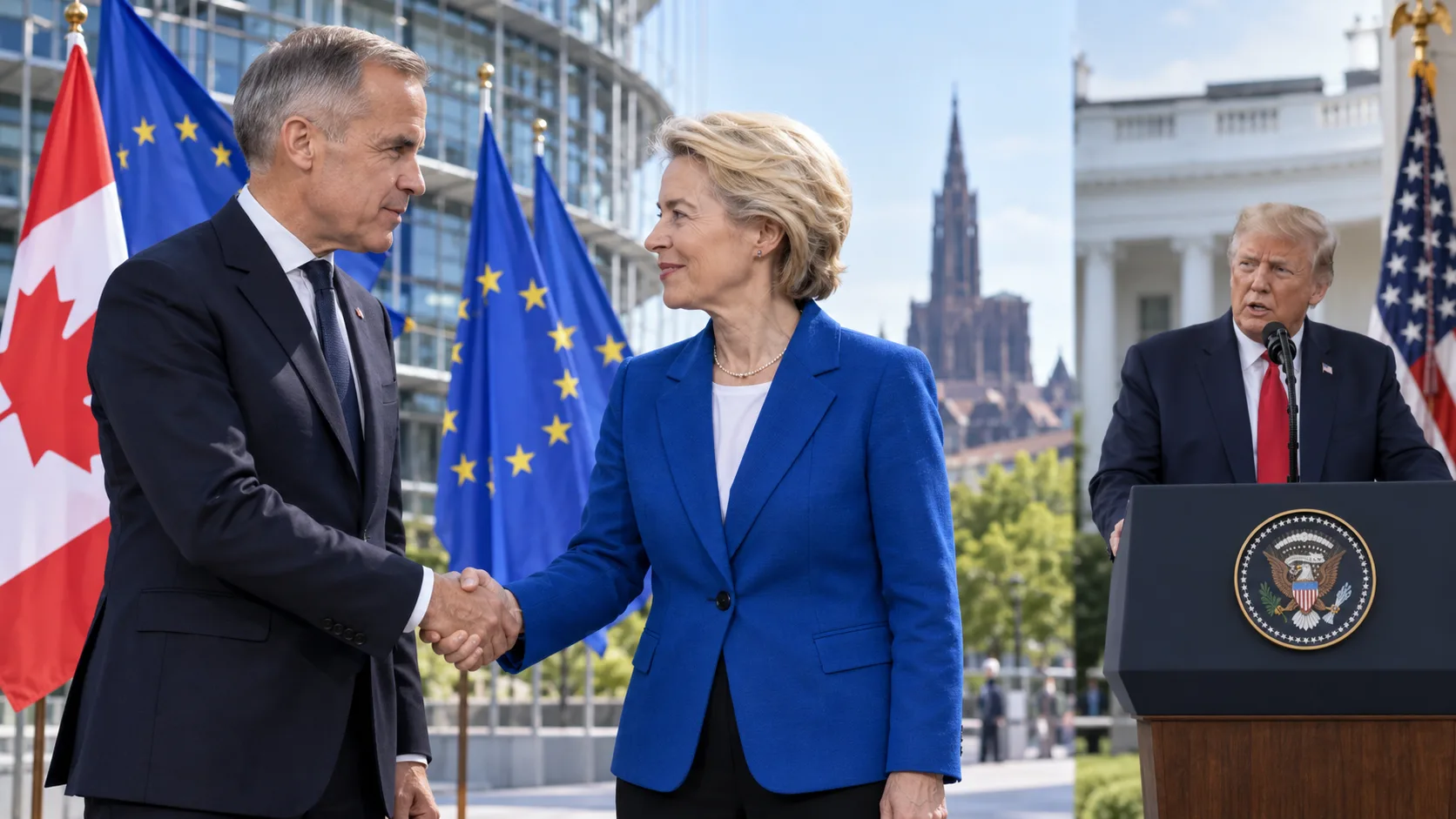
Warsh supported the increase along with the rest of the Federal Open Market Committee. Hours later, Trump said he had spoken with Warsh and told him he “might as well vote with the board” because “it’s not going to matter.”
Trump continues to publicly support the Fed chairman he nominated. He instead directed his anger toward the other policymakers, calling the board “very hostile” and “very political.” At the same time, Trump said he does not believe Warsh based his decision on their conversation and said he wants him to be independent.
That leaves an awkward situation. Trump says he wants an independent Fed while also acknowledging that he discussed Warsh’s vote with him.
Trump Wants 1%. The Fed Just Went the Other Way.
The disagreement over one vote is less important than the enormous gap between what Trump wants and what the Federal Reserve currently believes the economy needs.
Trump demanded Wednesday that U.S. interest rates be lowered to 1% or less. The Fed had just raised them to 3.75% to 4% because officials remain concerned about inflation. The central bank also described economic activity as expanding at a “solid pace,” with resilient domestic spending, strong productivity growth and robust capital investment.
Getting from the upper end of the current range to 1% would require roughly 12 traditional quarter-point cuts. That would represent a dramatic reversal from the policy the Fed is pursuing today.
This is why Warsh is in such an unusual position. Trump selected him after years of criticizing former Chair Jerome Powell over interest rates. Yet at Warsh’s first major inflation test, he supported higher rates.
Trump is giving him some room for now, essentially arguing that Warsh could not have changed the outcome anyway. That explanation may work when the vote is 12-0. It becomes much harder if the next decision is close.
The Bond Market May Be the Bigger Story
There is another problem with Trump’s push for 1% rates.
The Federal Reserve directly controls short-term interest rates. It does not control what investors demand to lend the U.S. government money for 10 or 30 years.
That matters because longer-term Treasury yields are already high. The 10-year Treasury yield reached 5.00% on September 15, while the 30-year stood at 5.36%.
If the Fed aggressively cuts short-term rates while investors remain worried about inflation, longer-term yields do not necessarily have to follow. Bond investors could demand higher yields to compensate for expected inflation, which could keep mortgage rates and other long-term borrowing costs elevated even as the Fed cuts.
That makes the Treasury market one of the clearest places to watch this fight.
If inflation cools and bond yields fall, Warsh gets much more room to eventually deliver the lower rates Trump wants. If inflation remains stubborn and Treasury yields stay around 5% or move higher, that room disappears quickly.
The Next Fed Meeting Could Be More Interesting
Wednesday may have been the easy decision politically.
The vote was unanimous. Warsh voting against the increase would not have changed the result, which is exactly the point Trump made when describing their conversation.
The next meeting is scheduled for October 27 and 28. If inflation remains elevated, the Fed could again face pressure to keep monetary policy tight. Meanwhile, Trump is demanding rates move dramatically in the opposite direction.
That is when this gets more interesting.
Warsh can support Trump. He can also defend Federal Reserve independence. As long as the economic data allows those two positions to coexist, there may not be much of a conflict.
If inflation does not cooperate, he may eventually have to choose which one matters more.
The Bottom Line
The most important part of Trump’s comments isn’t that he criticized the Federal Reserve. He has been doing that for years.
The more unusual revelation is that Trump says he discussed Warsh’s vote with him before the Fed raised rates, then publicly explained why he thought Warsh should vote with the rest of the board.
For investors, however, the next chapter matters more than this one.
Trump wants rates at 1% or lower. The Fed just raised them because inflation remains elevated. Warsh is currently standing between those two very different views of where monetary policy should go.
Wednesday’s unanimous vote made that manageable.
The next vote might not.
About Author