The conflict between the United States and Iran took another dangerous turn after an Iranian missile attack on a U.S. air base in Jordan killed two American servicemembers, left another missing, and wounded several others.
U.S. Central Command (CENTCOM) confirmed the casualties and announced that American forces quickly launched retaliatory strikes against Iranian military targets, saying the response was intended to punish Tehran for attacking U.S. personnel while degrading its ability to threaten American forces and international shipping.
The attack represents one of the most significant escalations since President Donald Trump declared a ceasefire in April, raising new questions about whether the region is moving toward a much larger conflict.
Iranian Strike Hits Strategic U.S. Base
According to CENTCOM, the attack targeted Muwaffaq Salti Air Base in Jordan, a key location used by U.S. aircraft supporting military operations throughout the Middle East.
American officials said two servicemembers were killed, another remains missing, and multiple others were injured during the attack.
Four wounded troops were medically evacuated to hospitals in Jordan before later being released. Other personnel treated for minor injuries have already returned to duty.
Officials also confirmed that both manned and unmanned U.S. aircraft sustained damage during the strike.
The base has been targeted multiple times during the current conflict, but this marks the first time American troops have been killed there.
U.S. Launches Immediate Retaliatory Strikes
Shortly after confirming the casualties, CENTCOM announced fresh military strikes against Iranian targets.
Military officials said the operation was designed to:
- Respond directly to the attack on American personnel.
- Reduce Iran’s ability to conduct future missile attacks.
- Degrade Iranian capabilities threatening commercial shipping in the Persian Gulf.
Defense Secretary Pete Hegseth said the deaths would strengthen America’s resolve rather than weaken it.
The latest response continues an increasingly rapid cycle of strikes and counterstrikes that has unfolded over the past week.
Advanced Iranian Missiles Raise New Concerns
U.S. officials say Iran has significantly improved its missile capabilities.
According to defense officials, Tehran is now deploying missiles capable of traveling at extremely high speeds while maneuvering during their final approach, making interception far more difficult.
The growing accuracy of recent Iranian strikes has also fueled concerns inside Washington that Iran may be receiving targeting assistance from either China or Russia, although no public evidence has been released confirming that assessment.
Those concerns have intensified after several recent attacks successfully struck sensitive military infrastructure despite existing U.S. missile defenses.
Ceasefire Appears Effectively Dead
The attack carries additional political significance because it represents the first American combat deaths since President Trump announced a ceasefire earlier this year.
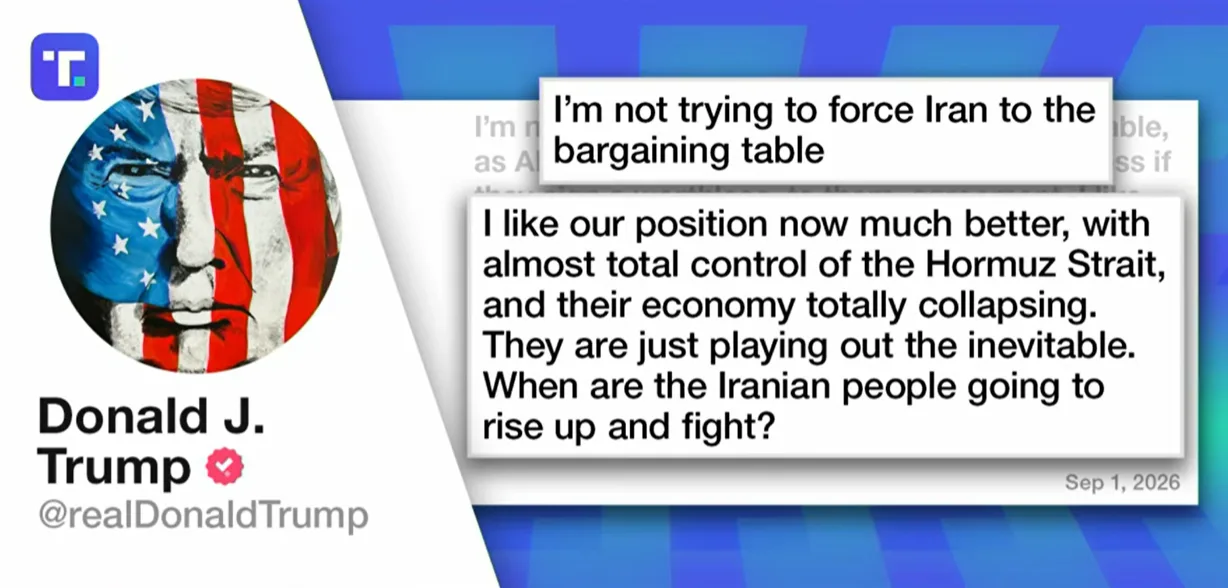
That agreement had already been under increasing pressure as fighting resumed around the Strait of Hormuz.
Iran has now formally withdrawn from the memorandum that had sought to reopen the critical shipping lane, accusing the United States of violating its commitments and attempting to establish independent control over maritime traffic.
The collapse of the agreement removes one of the few remaining diplomatic guardrails that had helped limit direct confrontation between the two countries.
Reinforcements Flow Into the Middle East
As tensions continue rising, the Pentagon is expanding its military presence across the region.
Additional deployments now include:
- F-16 fighter jets from Germany.
- F-35 stealth fighters based in the United Kingdom.
- Additional aerial refueling aircraft to support extended operations.
The Jordanian base itself has been protected by the U.S. THAAD missile defense system, although Iranian attacks have previously damaged components of that network.
Military planners appear to be preparing for a prolonged campaign rather than a short-term exchange of strikes.
Oil Markets Face Growing Risk
The military escalation comes as fighting increasingly centers on the Strait of Hormuz, one of the world’s most important energy chokepoints.
Approximately 20% of global oil supplies pass through the narrow waterway each day.
Continued attacks on shipping and military assets have already disrupted commercial traffic and pushed crude oil prices higher.
Energy analysts warn that any prolonged disruption could significantly tighten global oil supplies, increase fuel prices, and add fresh inflationary pressure worldwide.
What Investors Should Watch
The deaths of American servicemembers significantly raise the stakes in the U.S.-Iran conflict and increase the likelihood of further military retaliation.
Markets will be closely monitoring whether Washington’s latest response remains limited or develops into a broader campaign against Iranian military infrastructure.
Investors should also watch movements in crude oil prices, shipping activity through the Strait of Hormuz, Pentagon force deployments, and any additional Iranian missile launches, as each could have meaningful implications for global energy markets, defense stocks, and overall market volatility.
About Author