A dramatic escalation in Middle East tensions unfolded this weekend after the United States and Israel launched coordinated military strikes against Iran, triggering retaliatory missile attacks across the region and raising fears of a broader regional war with global economic consequences.
U.S. President Donald Trump confirmed Saturday that American forces had entered what he described as “major combat operations” targeting Iranian military and nuclear infrastructure. Explosions were reported across multiple cities throughout the Middle East as both sides exchanged attacks, sending shockwaves through global markets already on edge from geopolitical instability.
The confrontation represents one of the most serious direct military confrontations involving Iran in decades and could reshape energy markets, defense spending trends, and global risk sentiment in the weeks ahead.
Trump Confirms Military Action
In a video message posted to Truth Social, President Trump outlined the administration’s justification for the operation.
“Our objective is to defend the American people by eliminating imminent threats from the Iranian regime, a vicious group of very hard, terrible people,” Trump said.
U.S. officials confirmed that American forces conducted coordinated air and sea strikes targeting Iranian facilities. According to early reports, several government ministry locations in southern Tehran were among the sites hit.
The strikes followed months of rising tensions surrounding Iran’s nuclear program and stalled diplomatic negotiations between Washington and Tehran.
Trump referenced prior military actions against Iranian nuclear sites, stating:
“[In] operation midnight hammer last June, we obliterated the regime’s nuclear program at Fordow nets. And Isfahan. After that attack, we warned them never to resume their malicious pursuit of nuclear weapons, and we sought repeatedly to make a deal. But Iran refused.”
He added that U.S. intelligence believed Iran was attempting to rebuild nuclear capabilities while advancing long range missile technology capable of threatening U.S. allies and potentially the American homeland.
Israel Joins Offensive Operations
Israel simultaneously launched daylight strikes on Tehran, with large smoke plumes rising from central areas of the capital. Israeli officials did not immediately disclose targets but confirmed the attacks were tied to Iran’s military and nuclear infrastructure.
Israeli Prime Minister Benjamin Netanyahu praised Washington’s involvement, saying:
“This murderous terrorist regime must not be allowed to arm itself with nuclear weapons that would enable it to threaten all of humanity.”
The Israel Defense Forces later confirmed missile launches originating from Iran toward Israeli territory, prompting nationwide alerts and activation of defensive interception systems.
“Defensive systems are operating to intercept the threat,” the IDF said in a public statement.
Sirens sounded across Israel while residents in Tehran reported hearing multiple explosions during the early hours of Saturday morning.
Iranian Retaliation Expands Conflict Zone
Iran responded quickly, launching ballistic missiles toward U.S. and allied targets across the region.
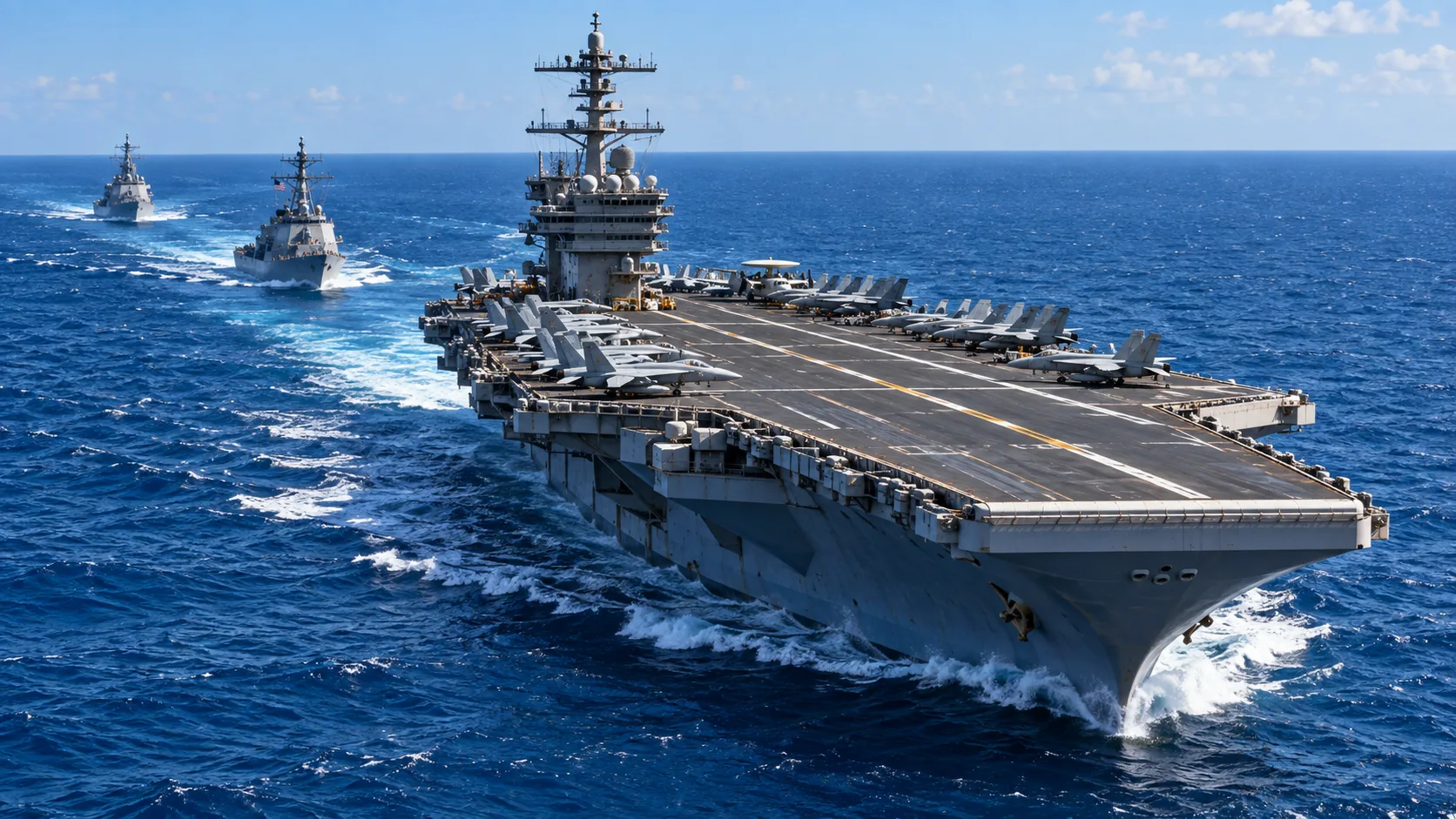
Several American military installations were reportedly targeted, including facilities connected to the U.S. Fifth Fleet in Bahrain. The U.S. Embassy issued emergency alerts advising American citizens to shelter in place amid warnings of imminent drone and missile threats.
Missile activity also reached Gulf nations. Qatar condemned the attack on its territory, stating:
“The State of Qatar expresses its strong condemnation of the targeting of Qatari territory with Iranian ballistic missiles, considering it a flagrant violation of its national sovereignty.”
The United Arab Emirates reported successful missile interceptions, describing the incident as a “blatant attack” handled by national air defense systems.
Explosions were also heard over Dubai, according to regional reporting.
Iran’s Foreign Ministry condemned the strikes, accusing the United States and Israel of violating Iranian sovereignty and targeting both military and civilian infrastructure.
Diplomacy Collapses After Negotiations Stall
The military escalation came just days after U.S. and Iranian officials concluded a third round of nuclear negotiations in Switzerland that failed to produce a breakthrough.
U.S. Secretary of State Marco Rubio had previously warned that Iran’s refusal to discuss ballistic missile development represented a “big, big problem” in negotiations.
Iran maintained that its missile program was not open for discussion, creating a central deadlock in talks.
A senior Middle East diplomat familiar with negotiations told media outlets:
“Yet again, when negotiations get close to success … Israel has intervened to preempt diplomacy.”
European leaders reacted with alarm. French President Emmanuel Macron warned the conflict carries “grave consequences” and called for an emergency United Nations Security Council meeting.
Airlines Suspend Flights as Airspace Risks Surge
Commercial aviation rapidly adjusted operations across the region.
Major airlines rerouted or suspended flights amid fears of expanding military engagement:
- Lufthansa halted flights to Tel Aviv, Beirut, and Oman.
- KLM canceled routes between Amsterdam and Tel Aviv.
- Emirates announced operational adjustments based on evolving security conditions.
Airspace disruptions highlight how quickly geopolitical conflicts can spill into global transportation and supply chains.
Oil Markets on Edge as Strait of Hormuz Risk Returns
Financial markets immediately turned their attention to energy supply risks.
Iran sits at the center of the Strait of Hormuz, a narrow waterway responsible for roughly 20 percent of global oil shipments. Any disruption could send oil prices sharply higher and reignite inflation pressures worldwide.
Oil prices had already climbed to six month highs prior to the strikes amid speculation that military action was imminent.
Energy traders now face several key risks:
- Potential Iranian attempts to disrupt tanker traffic
- Expanded sanctions tightening global crude supply
- Increased insurance and shipping costs
- Retaliatory cyber or proxy attacks affecting infrastructure
Historically, even limited conflict involving Iran has triggered rapid oil price spikes, making energy equities and commodities among the first assets to react.
Markets Brace for Volatility
Investors are watching three immediate market implications:
1. Energy and Commodities
Oil and natural gas prices typically surge during Middle East conflicts. Gold often rallies as investors seek safe haven assets.
2. Defense Stocks
Defense contractors frequently benefit from increased military spending expectations during prolonged geopolitical tensions.
3. Inflation Risks Return
Higher energy prices could complicate Federal Reserve policy if inflation pressures reaccelerate just as markets anticipated easing conditions.
Global equities historically experience short term volatility during geopolitical shocks but often stabilize once escalation risks become clearer.
Historical Context: A Pattern of Escalation
The current confrontation follows a cycle of strikes and retaliation that intensified over the past year.
Last June, U.S. forces struck three Iranian nuclear facilities, reportedly causing severe damage to Tehran’s program. Iran responded with missile strikes targeting a U.S. air base in Qatar that caused minimal damage and no casualties.
This latest exchange, however, marks a broader escalation involving simultaneous Israeli and American operations and direct retaliation against multiple regional locations.
What Investors Should Watch Next
The coming days could determine whether markets face a temporary shock or a sustained geopolitical crisis.
Key signals include:
- Whether Iran targets shipping lanes or oil infrastructure
- U.S. troop movements or additional deployments
- Emergency UN negotiations or ceasefire efforts
- Oil price behavior above critical resistance levels
- Airline and shipping disruptions expanding globally
If conflict spreads beyond limited exchanges, analysts warn the economic impact could extend far beyond energy markets, influencing inflation, interest rate expectations, and global growth forecasts.
For now, investors are entering a familiar but dangerous phase where geopolitics rather than earnings or economic data may drive market direction.
About Author