Global markets are heading into the new trading week facing a geopolitical shock few investors had fully priced in. After the United States launched what President Donald Trump called “major combat operations” inside Iran, Tehran responded with missile and drone strikes targeting U.S. and allied positions across the Middle East, dramatically escalating tensions. The situation intensified further after Iranian Supreme Leader Ayatollah Ali Khamenei was confirmed dead following the opening phase of the conflict, triggering uncertainty over Iran’s leadership, military command structure, and potential next moves. For investors, the crisis has rapidly shifted from a regional military confrontation into a global economic risk event centered on oil supply, inflation expectations, and financial market stability.
Unlike recent geopolitical headlines that markets quickly shrugged off, this confrontation strikes at the heart of the global energy system and one of the world’s most critical shipping chokepoints. With retaliation already underway and escalation risks rising by the hour, traders are now preparing for sharp moves across oil, equities, currencies, and safe haven assets as markets attempt to determine whether this becomes a short-lived shock or the beginning of a broader economic disruption.
Why Iran Matters More Than Venezuela
While Venezuela’s oil production has declined dramatically over decades, Iran sits at the center of one of the world’s most critical energy transit corridors.
Venezuela currently produces roughly 800,000 barrels of crude oil per day, far below its peak production of 3.5 million barrels per day in the 1990s. Its market importance is largely tied to specialized refinery demand.
Iran’s importance is structural.
“Venezuela was a production story. [Iran] is a chokepoint story,” said Kenneth Goh, director of private wealth management at UOB Kay Hian.
That chokepoint is the Strait of Hormuz.
Located between Oman and Iran, the narrow waterway handles approximately 13 million barrels of crude oil per day, representing about 31 percent of global seaborne crude flows in 2025, according to energy intelligence firm Kpler.
Any disruption to this passage would immediately affect global energy prices, shipping insurance costs, and inflation expectations worldwide.
For investors, this transforms the situation from a regional conflict into a global economic risk event.
Oil Markets Take Center Stage
Energy traders are widely expecting oil prices to move sharply higher when markets reopen.
Historically, oil reacts first during Middle East conflicts because energy markets operate continuously through futures trading even when equity markets are closed.
Analysts anticipate:
• Oil potentially rising 5 percent to 10 percent in early trading
• Increased volatility in energy equities
• Higher inflation expectations if supply concerns persist
During Israel’s June 2025 strikes on Iranian nuclear facilities, global equities initially sold off but quickly stabilized once it became clear the Strait of Hormuz remained open.
“That is the pattern markets will reference on Monday,” Goh said.
The difference now is the direct involvement of U.S. forces, which increases uncertainty around escalation risks.
Flight to Safety Already Underway
Strategists expect a classic “risk-off” market response as investors rotate toward defensive assets.
Alicia García-Herrero, chief economist for Asia-Pacific at Natixis, warned markets could face a turbulent start to the trading week.
She expects:
• Global equities potentially falling 1 percent to 2 percent or more
• U.S. Treasury yields declining 5 to 10 basis points
• Oil prices jumping sharply
• Safe haven assets attracting inflows
Traditional safe havens likely to benefit include:
• U.S. Treasurys
• Gold
• The U.S. dollar
• Japanese yen
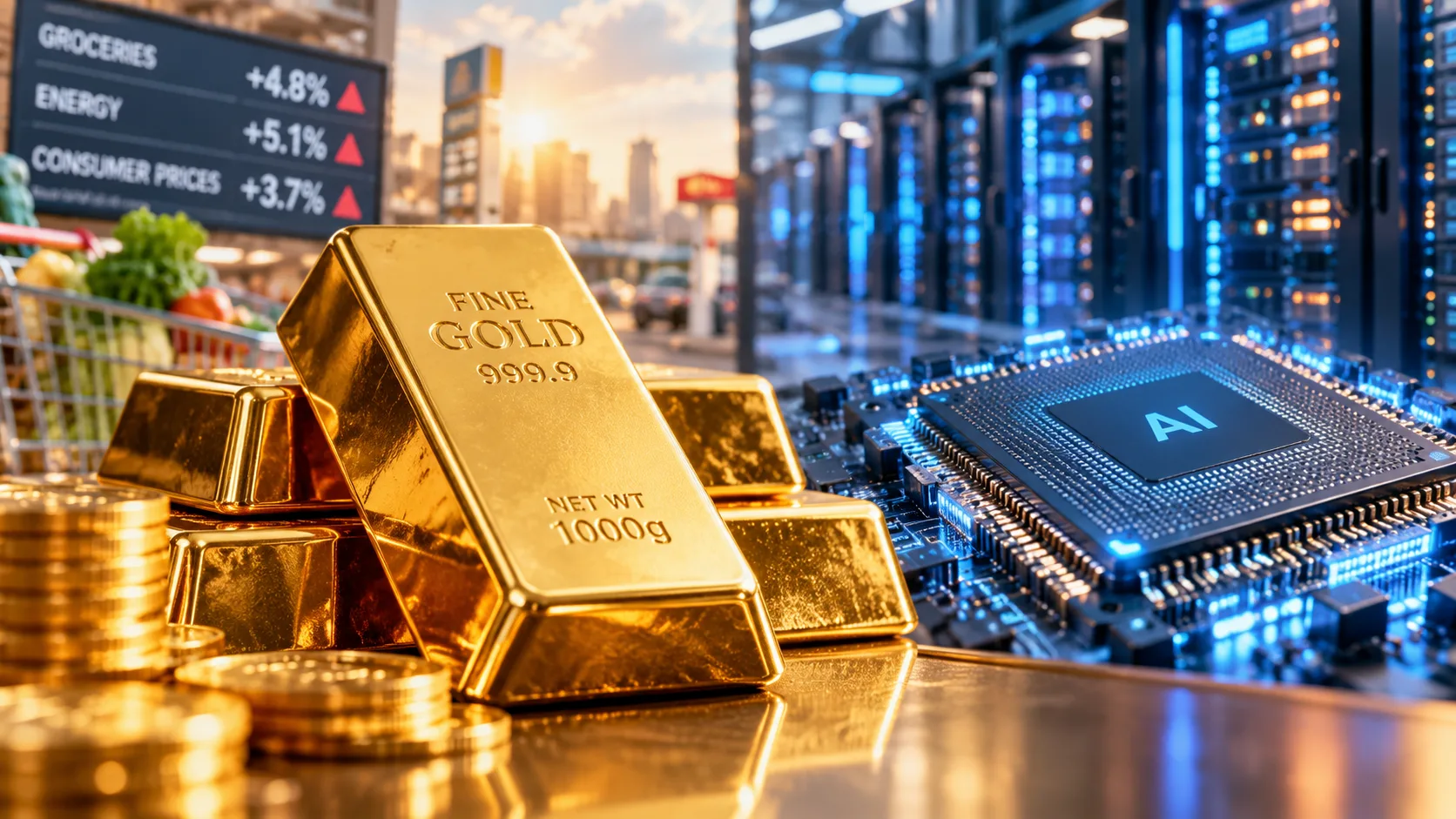
Gold, in particular, has already been trending higher amid rising geopolitical tensions and trade policy uncertainty, reinforcing its role as a crisis hedge.
Markets Were Already Positioning for Trouble
Interestingly, some asset managers believe markets may absorb the initial shock better than expected because investors have quietly been positioning defensively for weeks.
Weidinger noted that cross-asset signals already reflected “a little bit of a crisis environment,” including stronger Treasury demand and firming oil prices prior to the strikes.
In other words, part of the geopolitical risk may already be priced in.
That positioning could limit the scale of an immediate panic selloff, though volatility is still expected to spike.
The Single Variable That Matters Most
According to strategists, markets will quickly focus on one issue above all others: duration.
David Roche of Quantum Strategy framed the market outlook around whether the conflict remains limited or evolves into a broader campaign.
If operations remain short and targeted, markets could experience only temporary volatility followed by stabilization.
If the conflict expands into a longer three-to-five-week “regime change endeavor,” Roche warned markets would react “rather badly” as investors begin pricing in sustained oil disruptions and regional escalation.
The biggest risk scenario involves Iran attempting to interfere with shipping through the Strait of Hormuz, which would immediately amplify global economic consequences.
Asia and Emerging Markets Face Elevated Risk
Asian economies are particularly vulnerable due to their reliance on imported energy and uninterrupted shipping routes.
Billy Leung, investment strategist at Global X ETFs, expects heightened volatility across global equities, especially in cyclical sectors and high-beta stocks tied closely to economic growth.
Energy-importing nations could face:
• Rising fuel costs
• Currency pressure
• Slower industrial activity
• Increased inflation risk
This dynamic may widen performance gaps between commodity exporters and importers in coming weeks.
What Investors Should Watch Next
Market reactions will likely unfold in phases.
Phase 1: Immediate Reaction
Oil spikes, equities sell off, safe havens rally.
Phase 2: Assessment
Markets analyze Iran’s response and whether shipping lanes remain open.
Phase 3: Repricing
Investors adjust expectations for inflation, interest rates, and global growth.
Key indicators to monitor include:
• Oil futures trading Sunday evening
• Statements from Iranian leadership
• Naval activity near the Strait of Hormuz
• Treasury yield movements
• Defense sector performance
Why This Moment Matters for Investors
Markets have grown resilient after years of shocks ranging from pandemics to wars to aggressive monetary tightening. But conflicts that threaten energy supply chains historically carry outsized economic consequences.
Unlike localized crises, disruptions tied to global commodities ripple through nearly every asset class.
Higher oil prices can quickly translate into:
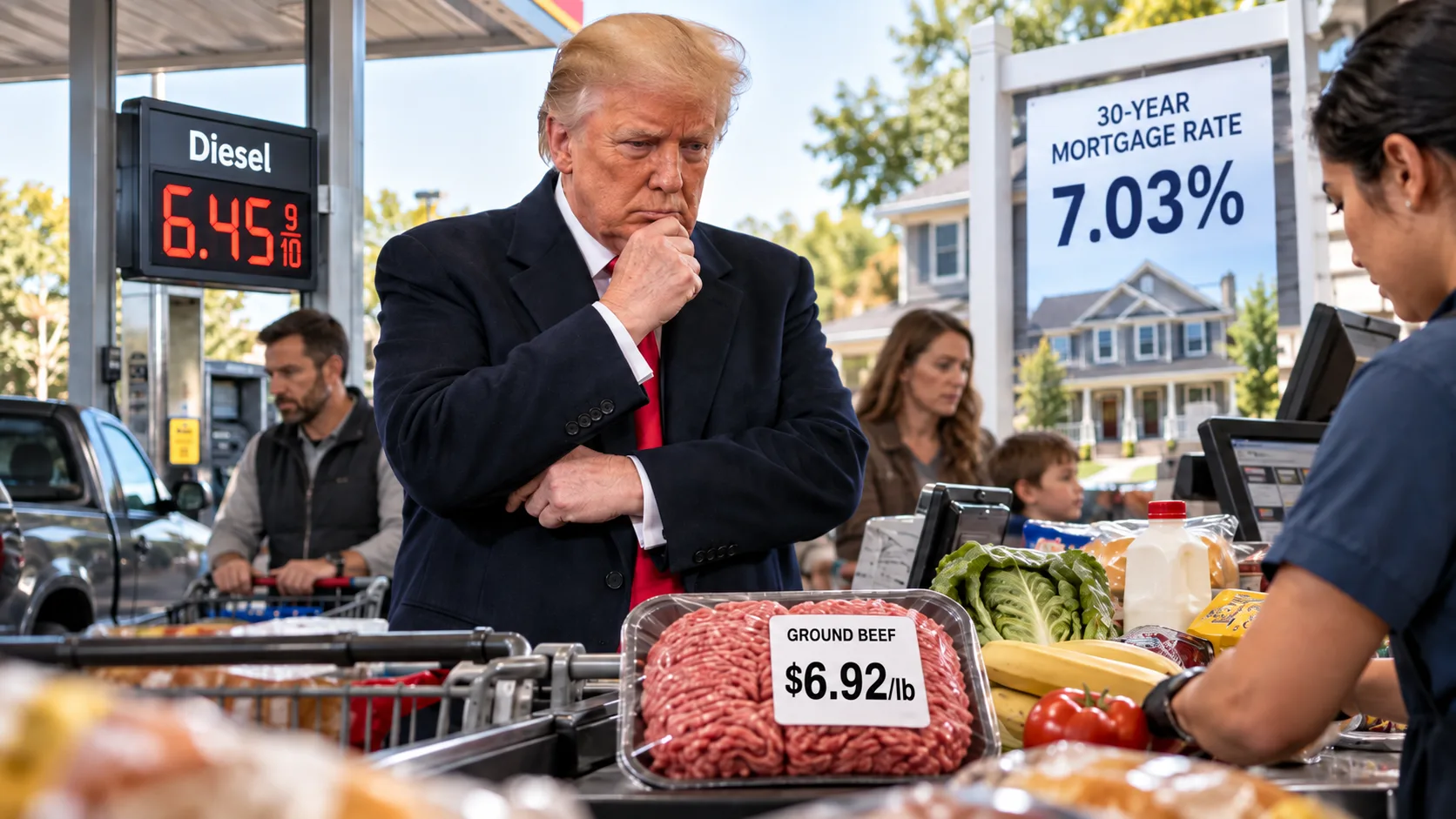
• Renewed inflation pressure
• Delayed Federal Reserve rate cuts
• Higher transportation and manufacturing costs
• Consumer spending slowdowns
For investors, the coming trading sessions may reveal whether this event becomes another temporary headline or the beginning of a broader macro shift.
The market’s verdict will arrive quickly.
Sources
https://www.cnbc.com/2026/03/01/markets-brace-after-us-strikes-iran.html
https://www.reuters.com/world/middle-east/
https://www.kpler.com/insights
https://www.eia.gov/international/analysis/world-oil-transit-chokepoints.php
About Author