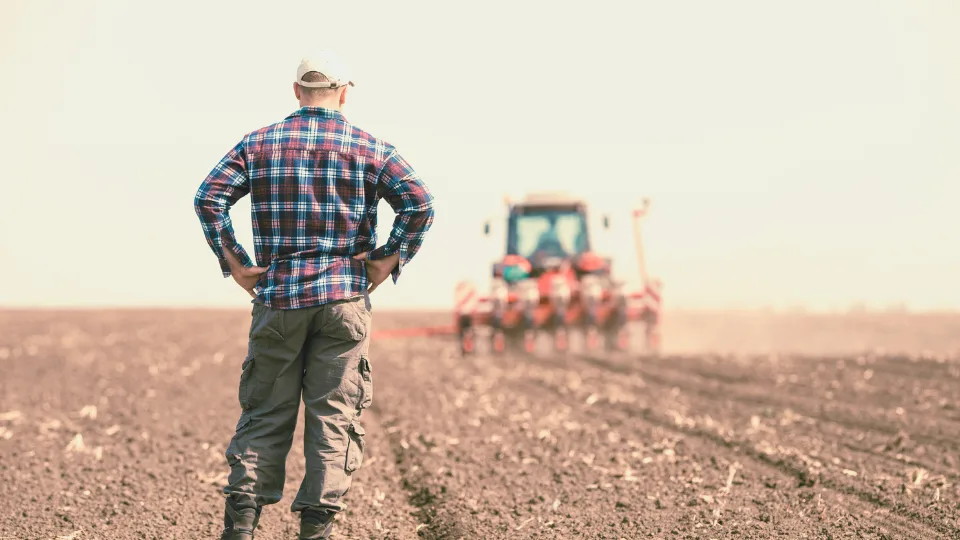
The U.S.–China trade clash is once again hitting America’s heartland where it hurts most: soybeans. For decades, China has been the single largest buyer of U.S. soy, purchasing more than half of all American exports in some years. In 2025, that lifeline is drying up and U.S. farmers are paying the price.
China Slams the Door on U.S. Soybeans
Chinese buyers have largely stopped booking new-season U.S. soybeans and are turning to Brazil and Argentina instead. In September, traders reported Beijing had bought at least 10 Argentine cargoes while no U.S. new-crop beans had been booked.
This is not just a market quirk. China suspended import licenses for several U.S. firms, including farmer-owned co-op CHS, citing phytosanitary issues. Many see this as retaliation in a wider tariff standoff.
Meanwhile, Beijing doubled down on Brazil, which supplied more than 70 percent of its soybean imports in 2024, totaling 74 million metric tons. That dominance is sticking, with July 2025 imports from Brazil hitting all-time highs.
The Economic Punch to U.S. Farmers
The numbers reveal just how severe the pullback has become. From January through August 2025, U.S. soybean exports to China totaled only 218 million bushels, just 29 percent of all shipments. By late summer, shipments to China had slowed to almost zero.
This matters because China has long been the anchor buyer that kept U.S. farm prices afloat. Without it, farmers are left with overflowing bins, weak cash bids, and added storage costs.
At the same time, input costs for fertilizer, fuel, and equipment remain stubbornly high. The result is a squeeze on margins so tight that many farms face serious financial stress. Industry groups warn of bankruptcies if the situation persists.
In 2024, U.S. exports to China totaled 12.64 billion dollars. Losing that volume in one season is a revenue shock that even government subsidies cannot fully cushion.
Politics in Play
Soybeans are no longer just an agricultural issue. They are now a bargaining chip in high-level diplomacy. President Trump has said soybeans will be on the agenda in his upcoming meeting with China’s Xi Jinping. The administration is also floating the idea of redirecting tariff revenues into direct farm aid.
Farmers know that bailouts are not the same as markets. Once China builds contracts and infrastructure around South America, those supply chains can become permanent. Reliability counts and Beijing now sees U.S. soy as politically risky.
Why This Matters for Investors
- Grain markets: Soybean futures will remain volatile as traders track Chinese buying patterns and South American weather.
- Ag equipment and input suppliers: If U.S. farm incomes fall, spending on machinery and fertilizer could weaken, pressuring companies like Deere, Nutrien, and Corteva.
- Rural banks: Loan defaults in farm country may climb if price weakness continues into 2026.
- Global trade flows: Brazil and Argentina are strengthening their grip as agricultural superpowers, while U.S. farmers risk becoming secondary suppliers.
Investor Takeaways
- Short-term pain is real. Farmers face weaker prices, higher storage costs, and limited buyers.
- Watch U.S.–China talks. Any breakthrough at the Trump–Xi meeting could spark a rally, but expectations should be cautious.
- Brazil is the kingmaker. Weather in Brazil and Argentina now matters as much to U.S. farmers as U.S. policy does.
- Diversification is essential. Over the long term, American farmers may need to find new markets in Europe, Southeast Asia, and biofuels.
The bottom line: U.S. soybean farmers are caught in the crossfire of geopolitics and this time the damage could be lasting. Investors should track not only crop reports but also the negotiating table in Washington and Beijing.
About Author