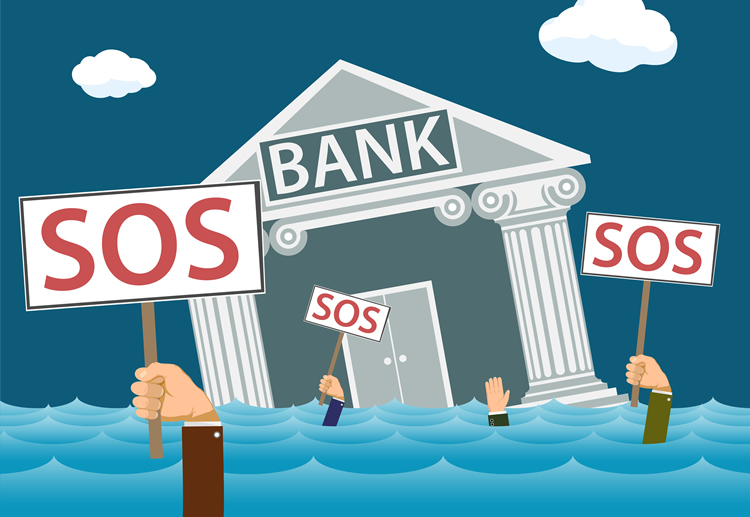
Fears among regular savers and investors are growing in response to the largest bank bankruptcy since 2008.
After regulators took control, Silicon Valley Bank, a significant lender to American tech entrepreneurs, failed on Friday. Concerns have been raised that this may be the beginning of a much larger issue affecting the US finance sector.
The news brought back memories of the financial crisis for many who had funds in commercial banks and retirement accounts. Are my funds safe? is a common concern.
The good news is that most investors don’t need to be anxious right now, according to experts. In the short term, the equity market, particularly bank equities, may suffer, but a catastrophe like the one of 2008 is unlikely to happen again.
What if I have funds in a local, smaller bank?
Still, keep an eye on things and try not to panic.
Although smaller banks are under pressure, analysts believe that SVB was more of an anomaly and that other regional banks are in far better position.
But, many local banks also have long-dated Treasury securities that they bought when interest rates were almost zero. Due to the inverse relationship between bond prices and yields, the increase in rates reduces the value of those assets. The issue arises if many clients attempt to withdraw their funds too quickly, forcing the banks to sell their holdings at a loss to cover the withdrawals.
What we’re probably witnessing right now is contagion, in which rumors feed off one another because of capital flight.
In what ways does this affect my 401(k)?
The stock market might suffer. On Friday afternoon, the S&P 500 Index was approaching its lowest closing level since January, while the KBW Bank Index fell close to 7% at one point.
About Author