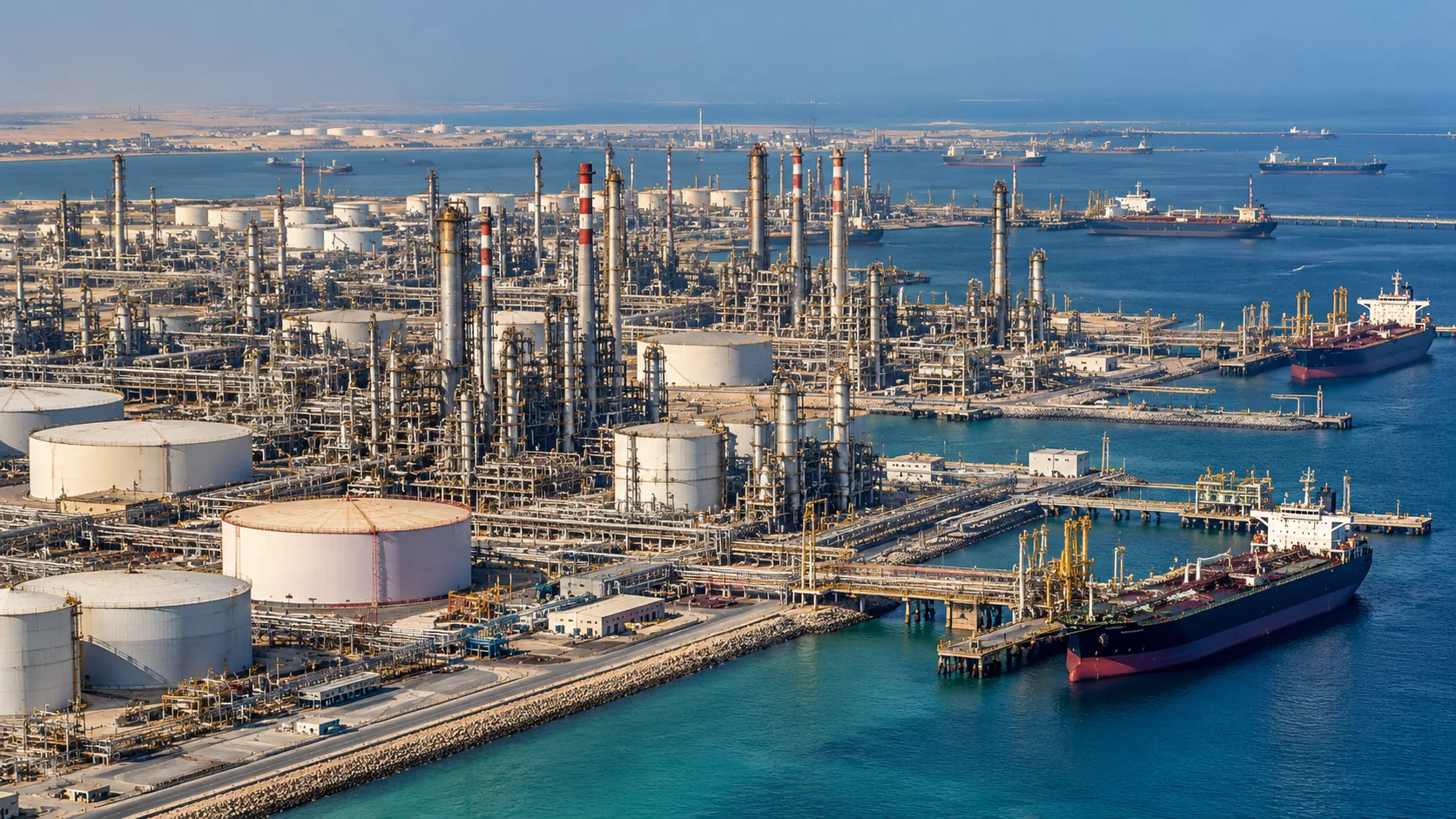

President Donald Trump has announced a major rollback of Biden-era methane regulations, a move his administration says could save American businesses and consumers $45 billion while unlocking hundreds of millions of barrels of additional U.S. oil production.
The announcement comes as elevated gasoline prices and the ongoing conflict with Iran put renewed pressure on domestic energy supplies.
For oil and gas companies, the proposed changes could lower operating expenses and make additional drilling projects financially attractive. For consumers, the question is whether those savings will eventually translate into lower energy bills.
Trump Targets Restrictions on American Oil and Gas Production
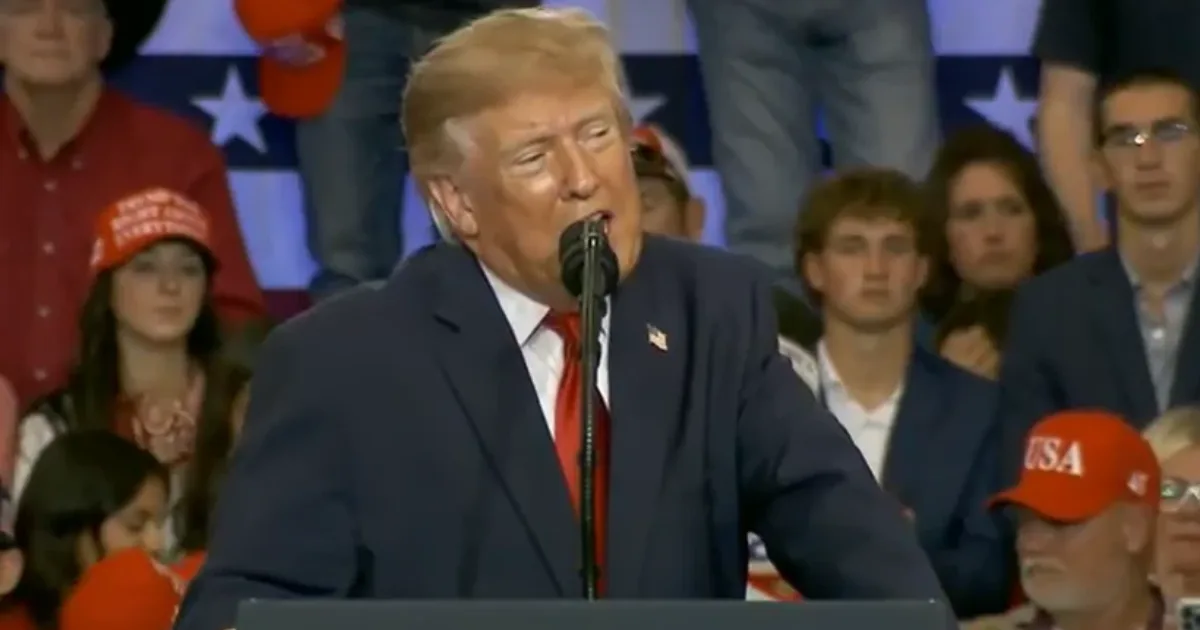
Speaking Tuesday at a campaign rally in Lubbock, Texas, Trump announced plans to eliminate major restrictions on methane emissions introduced under former President Joe Biden.
“Tonight, I’m officially terminating Biden’s expensive and unnecessary methane regulations to save consumers and energy producers $45 billion in costs, unlock vast quantities of Texas natural gas and produce 210 million barrels of oil,” Trump said.
The Environmental Protection Agency released a proposal the same day outlining revisions to the existing regulations.
According to the agency, the changes are projected to:
- Save $45 billion in regulatory costs for businesses and consumers.
- Unlock an additional 210 million barrels of oil through increased domestic production.
- Enable 1.41 trillion cubic feet of additional natural gas production.
- Reduce compliance expenses for smaller oil and gas operators, including companies operating marginal wells.
These figures are administration estimates rather than independently verified savings or production increases. The rollback is also still a regulatory proposal that must go through the federal rulemaking process.
EPA Administrator Lee Zeldin has argued that the existing requirements impose unnecessary costs on American energy producers and restrict domestic production.
Why Smaller Energy Producers Could Benefit the Most
One of the biggest potential beneficiaries of the rollback is the independent oil and gas industry.
Unlike large energy companies such as ExxonMobil and Chevron, smaller producers often operate with tighter margins and fewer resources to manage expensive regulatory requirements.
The Biden-era regulations required oil and gas operators to monitor methane emissions, identify leaks and take corrective action. These requirements can involve specialized equipment, inspections and ongoing compliance costs.
For smaller wells producing relatively modest quantities of oil or natural gas, those additional expenses can make continued operations less profitable.
Relaxing the requirements could allow operators to keep some wells operating longer, improve profitability and potentially invest in additional production.
The EPA also wants to eliminate its Super Emitter Program, which was designed to identify and address particularly large methane releases.
Environmental organizations oppose the changes, arguing that methane leaks represent wasted natural gas and contribute significantly to climate change.
What This Could Mean for Oil Prices and Gasoline Costs
The administration’s central argument is straightforward: lower production costs could encourage more domestic drilling, ultimately increasing supply.
More oil entering the market can put downward pressure on prices, particularly when production increases outpace demand.
However, the additional 210 million barrels projected by the administration would be produced over time. They would not immediately become available to consumers.
Oil prices are also determined by global supply and demand. Even a meaningful increase in American production can be outweighed by disruptions in the Middle East, production decisions by OPEC members or unexpected changes in global consumption.
The conflict with Iran makes that distinction especially important.
Energy markets remain sensitive to potential disruptions in Middle Eastern oil supplies and shipping routes. Additional American production could improve energy security over time, but it would offer limited immediate protection against a sudden supply shock.
For drivers hoping to see lower gasoline prices, the impact of the proposed rule changes may take considerable time to materialize.
Three Areas Energy Investors Should Watch
1. Independent oil and gas producers
Smaller exploration and production companies could benefit directly from reduced compliance costs. Investors should watch whether companies revise their operating expense forecasts, increase production guidance or announce new drilling plans.
2. Major energy companies
Larger producers, including ExxonMobil (XOM), Chevron (CVX) and ConocoPhillips (COP), could also see benefits from a more favorable regulatory environment.
However, higher production does not automatically translate into higher profits. If increased supply eventually pushes oil prices lower, some of the savings could be offset by weaker revenue.
3. Natural gas producers and infrastructure companies
The administration’s forecast includes an additional 1.41 trillion cubic feet of natural gas production.
That could create opportunities for companies involved in natural gas gathering, processing, transportation and storage.
Pipeline operators may benefit from higher transportation volumes, while natural gas producers will need to balance increased production against the possibility of lower commodity prices.
Investors seeking broader exposure can monitor energy-sector funds such as the Energy Select Sector SPDR Fund (XLE) and SPDR S&P Oil & Gas Exploration & Production ETF (XOP).
The Trade-Off Behind the $45 Billion Savings Claim
The rollback highlights an important economic trade-off.
Methane is the primary component of natural gas and a powerful greenhouse gas. Reducing leaks can preserve valuable fuel while limiting pollution.
The Biden administration previously estimated that its methane requirements would prevent 58 million tons of methane emissions through 2038 and deliver substantial environmental and health benefits.
The Trump administration argues that the compliance burden is excessive and discourages domestic energy production.
Both considerations matter when assessing the overall economic impact.
Companies that already invested heavily in methane monitoring and capture equipment may see less immediate financial benefit from the rollback than smaller operators facing significant future compliance expenses.
Additionally, capturing methane can generate revenue when the recovered gas can be sold economically. Eliminating a regulatory requirement does not necessarily make leak prevention financially unattractive.
The ultimate impact will depend on how much companies actually save, how production responds and whether additional environmental costs outweigh some of the projected financial benefits.
What Happens Next?
The EPA must move through the regulatory process before the proposed changes become final.
Investors should watch for the final rule, potential legal challenges and updated production forecasts from major oil and gas companies.
The November 3 midterm elections also add a political dimension. The announcement was made while Trump campaigned for Republican Senate candidate Ken Paxton, with high fuel prices becoming an increasingly important election issue.
For energy investors, upcoming corporate earnings reports and production guidance may provide better evidence of the financial implications than the administration’s initial projections.
The Takeaway for Investors
Trump’s proposed methane rollback represents another significant step toward reducing federal restrictions on American oil and gas production.
The administration estimates the changes could save $45 billion and unlock substantial additional domestic energy supplies, potentially benefiting producers with high regulatory expenses.
However, the financial benefits will depend on the final regulations, actual cost reductions, commodity prices and whether companies respond by expanding production.
For investors, the clearest opportunity may be in companies that can turn lower operating costs into stronger cash flow without relying on higher oil prices.
About Author