

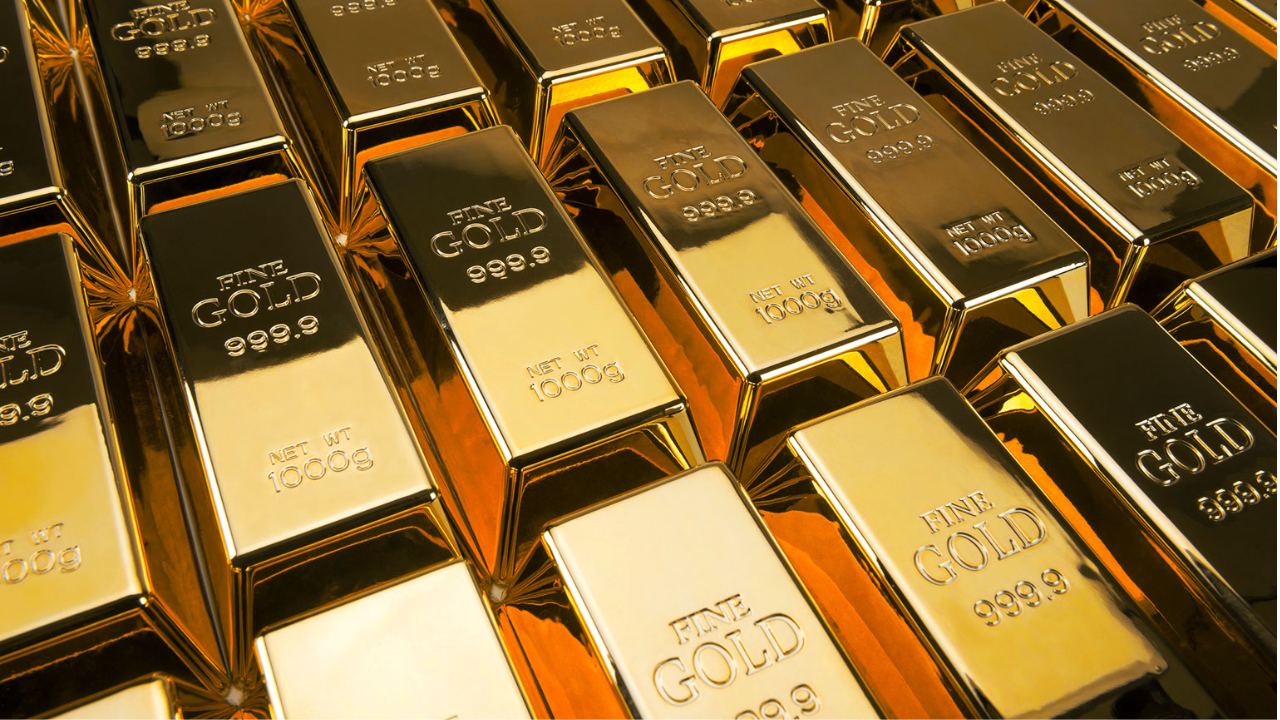
Gold prices climbed nearly 1% Tuesday, recovering above $4,050 an ounce as falling oil prices eased inflation concerns ahead of a closely watched Federal Reserve meeting. Investors are now looking for clues about where interest rates, and gold, could head next.
Spot gold rose 0.9% to $4,051.78 an ounce after briefly falling below $4,000 earlier in the session. December gold futures advanced to $4,066.40.
The rebound comes as oil prices declined more than 1%, helped by renewed diplomatic efforts in the Middle East. Lower energy prices could reduce inflation pressure and give the Federal Reserve more flexibility on interest rates.
Why the Fed Matters for Gold
The Federal Reserve is widely expected to leave interest rates unchanged when its two-day meeting concludes Wednesday, October 28. However, investors are more concerned about what happens in December.
According to the market data cited in Tuesday’s report, traders see an 83% probability of a December rate increase.
Higher interest rates generally create headwinds for gold because investors can earn more from Treasury securities and other interest-bearing assets. A stronger dollar, which often accompanies higher rates, can also make gold more expensive for international buyers.
Gold could benefit if the Fed signals that inflation is cooling enough to delay additional rate increases. Conversely, warnings about persistent inflation could pressure prices.
The Oil Price Connection
Oil has become an important variable for gold investors as geopolitical tensions continue across the Middle East.
Rising oil prices can increase transportation, manufacturing and consumer costs, potentially keeping inflation elevated. That could force central banks to maintain restrictive monetary policies longer than investors expect.
However, geopolitical instability can also increase demand for gold as a safe-haven asset. This creates competing forces that could keep prices volatile even if tensions escalate.
Three Practical Moves for Gold Investors
1. Watch the $4,000 level. Gold briefly dipped below this psychological threshold before recovering. A sustained move below $4,000 could signal additional selling pressure, while continued trading above it would suggest buyers remain interested. It is a reference level, not a guaranteed price floor.
2. Monitor Treasury yields and the dollar. Falling inflation-adjusted Treasury yields and a weakening dollar would generally strengthen gold’s outlook. Investors should watch both indicators following Wednesday’s Fed decision rather than relying on gold’s initial price reaction alone.
3. Avoid chasing a one-day rally. Investors considering a new gold position may benefit from spreading purchases over several weeks, particularly with major economic announcements approaching. Those already holding gold should review whether their allocation still fits their portfolio and risk tolerance.
For investors using gold ETFs, physically backed funds offer more direct exposure to gold prices, while gold-mining ETFs introduce additional company-specific and stock-market risks.
Two Important Events Ahead
- Wednesday, October 28: Federal Reserve interest-rate decision and commentary on inflation and future monetary policy.
- Thursday, October 29: Personal Consumption Expenditures (PCE) inflation report, an important measure used by the Fed to assess price pressures.
The Fed meeting schedule is confirmed by the Federal Reserve.
The Bottom Line
Gold’s recovery above $4,050 suggests investors remain interested in the metal despite pressure from high interest rates.
The next meaningful move will likely depend on whether inflation expectations ease and Treasury yields decline. For now, investors should focus on the Fed’s guidance, Thursday’s inflation data and gold’s ability to hold the $4,000 level before making aggressive changes to their positions.
About Author