President Trump’s economic team is projecting what they describe as the largest tax refund season in U.S. history, with many American families potentially receiving substantially larger checks next year. The comments come as voters continue to express frustration over affordability, even as administration officials point to rising wages, easing inflation, and tax policy changes that have yet to fully show up in household finances.
Kevin Hassett, director of the National Economic Council and a leading contender to become President Trump’s next Federal Reserve chair, said Americans should expect meaningful relief once upcoming tax refunds are processed.
“We are going to see the biggest refund cycle ever in the history of America, and people are going to get massive refund checks,” Hassett said Thursday during an interview on FOX Business’ “Varney & Co.”
According to Hassett, the magnitude of those refunds could surprise many households who have not yet felt the full effects of recent tax and economic policy shifts.
“We’re expecting just that part of it alone to be worth a couple-thousand-dollar refund … the numbers are striking.”
Trump Says Families Could Save Up to $20,000 Annually
President Trump reinforced those expectations during a prime-time address earlier this week, predicting that next spring’s tax season will deliver unprecedented refunds. The president said the administration anticipates “the largest tax refund season of all time,” adding that many families could see annual savings between $11,000 and $20,000.
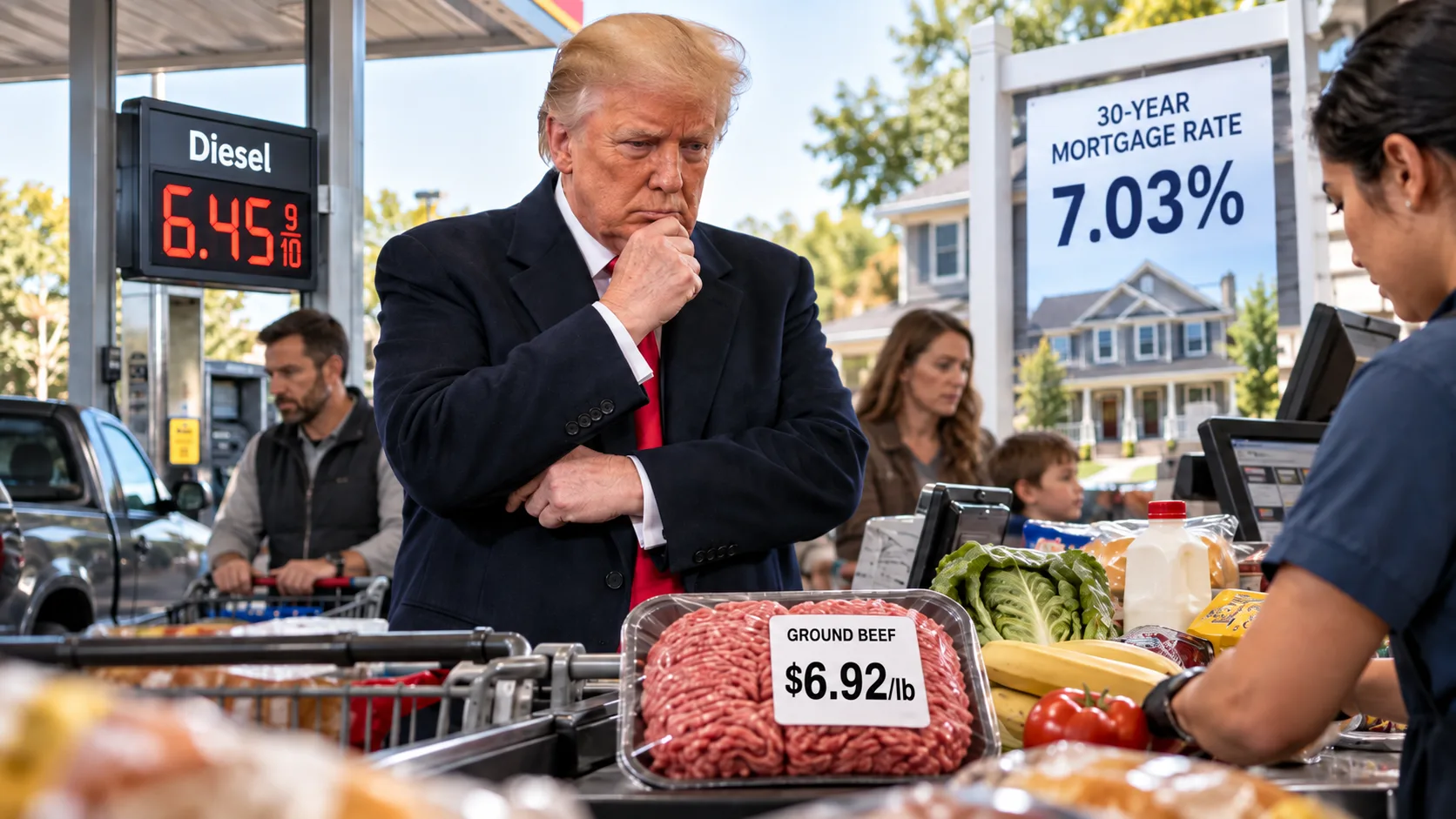
Those figures immediately drew skepticism from critics, particularly in light of recent polling that suggests many Americans still feel financially stretched. A Fox News Poll released this month found that 44 percent of respondents say they are falling behind financially, while 74 percent described the economy as “not so good” or “bad.”
Hassett pushed back on that disconnect, arguing that economic data tells a more optimistic story and that the benefits of recent policy changes often lag behind headlines and public sentiment.
Why Many Americans Have Not Felt It Yet
Hassett pointed to wage growth as a key factor that has not yet been fully appreciated by consumers.
“You saw in the jobs report that … wages for the typical worker were up 3.7%. So if you’re running 3.7% wage increases at 1.6% core inflation, then real wages are growing at a rate of about 2 [to] 2.5%.”
He emphasized that the gains have been especially meaningful for blue-collar workers, a core constituency of the Trump administration.
“By our estimates right now, blue-collar workers have already seen an almost $2,000 raise this year after inflation, because wages are growing so much faster than prices,” Hassett explained.
That improvement, however, may not be obvious to households reviewing monthly expenses, especially after several years of elevated inflation. Hassett argued that tax policy timing plays a major role in shaping public perception.
“I think that what happens in the end and this is what happened in the first Trump term is that people will see it in their wallets,” he said. “We didn’t pass the ‘Big, Beautiful Bill’ until the middle of the summer. And so a lot of the tax changes, which affect last year, weren’t in any tax forms that people filled out at the beginning of the year.”
In other words, many of the financial benefits are delayed and tend to appear all at once during tax season, rather than showing up gradually in weekly paychecks.
Inflation Trends Strengthen the Administration’s Case
Hassett also highlighted what he described as a surprisingly strong inflation report for November, which came in cooler than economists had expected. Lower inflation, combined with steady wage growth, has helped boost real income gains across the economy.
“What’s happened is, as we predicted throughout this term, that if you really put the pedal to the metal on aggregate supply, then that’s gonna put downward pressure on prices,” Hassett said.
He compared the current economic environment to President Trump’s first term, when growth remained strong while inflation stayed relatively subdued.
“And don’t forget, that’s where we were last time in President Trump’s first term. We were growing in the 3% range, and we had inflation in the 1% range. And it looks like that’s where we are again.”
If that pattern holds, it could strengthen the administration’s argument that supply-focused economic policies can support growth without reigniting runaway inflation.
What This Means for Households
For everyday Americans, the key question is whether these projections translate into real and sustained relief. Larger refunds may provide a short-term boost, particularly for families struggling with credit card balances, housing costs, or lingering inflation-related expenses.
However, some economists caution that refund-driven relief can feel temporary. A large check in the spring does not necessarily offset higher monthly costs if inflation reaccelerates or wage growth slows. The administration counters that rising real wages, not just refunds, are the more important long-term signal.
If Hassett’s projections are accurate, the combination of higher take-home pay and record refunds could meaningfully improve consumer confidence heading into the second half of next year.
Why Investors Are Paying Attention
For investors, the implications extend beyond tax season. Stronger consumer balance sheets tend to support discretionary spending, which can benefit retail, travel, and service-sector stocks. Companies that rely heavily on middle-income and blue-collar consumers may see improved demand if refund checks are as large as projected.
At the macro level, cooling inflation paired with real wage growth could influence Federal Reserve policy expectations. If inflation remains contained while growth holds up, pressure on the Fed to maintain restrictive interest rates may ease, supporting equity valuations and potentially lowering borrowing costs.
Hassett’s prominence in these discussions also matters. As a potential future Federal Reserve chair, his public comments offer insight into how the administration views the balance between growth, inflation, and monetary policy.
Bottom Line
The Trump administration is betting that next year’s tax season will serve as a visible proof point for its economic strategy. Officials argue that strong wage growth, easing inflation, and delayed tax changes are setting the stage for what they describe as an unprecedented refund cycle.
Whether that narrative resonates with voters and markets will depend on whether households actually feel the improvement when refund checks arrive. If they do, the administration’s confidence may prove well placed. If not, skepticism about affordability is likely to persist despite favorable headline data.
For now, the message from the White House economic team is clear. They believe the payoff is coming, and they believe it will be hard to miss.
About Author