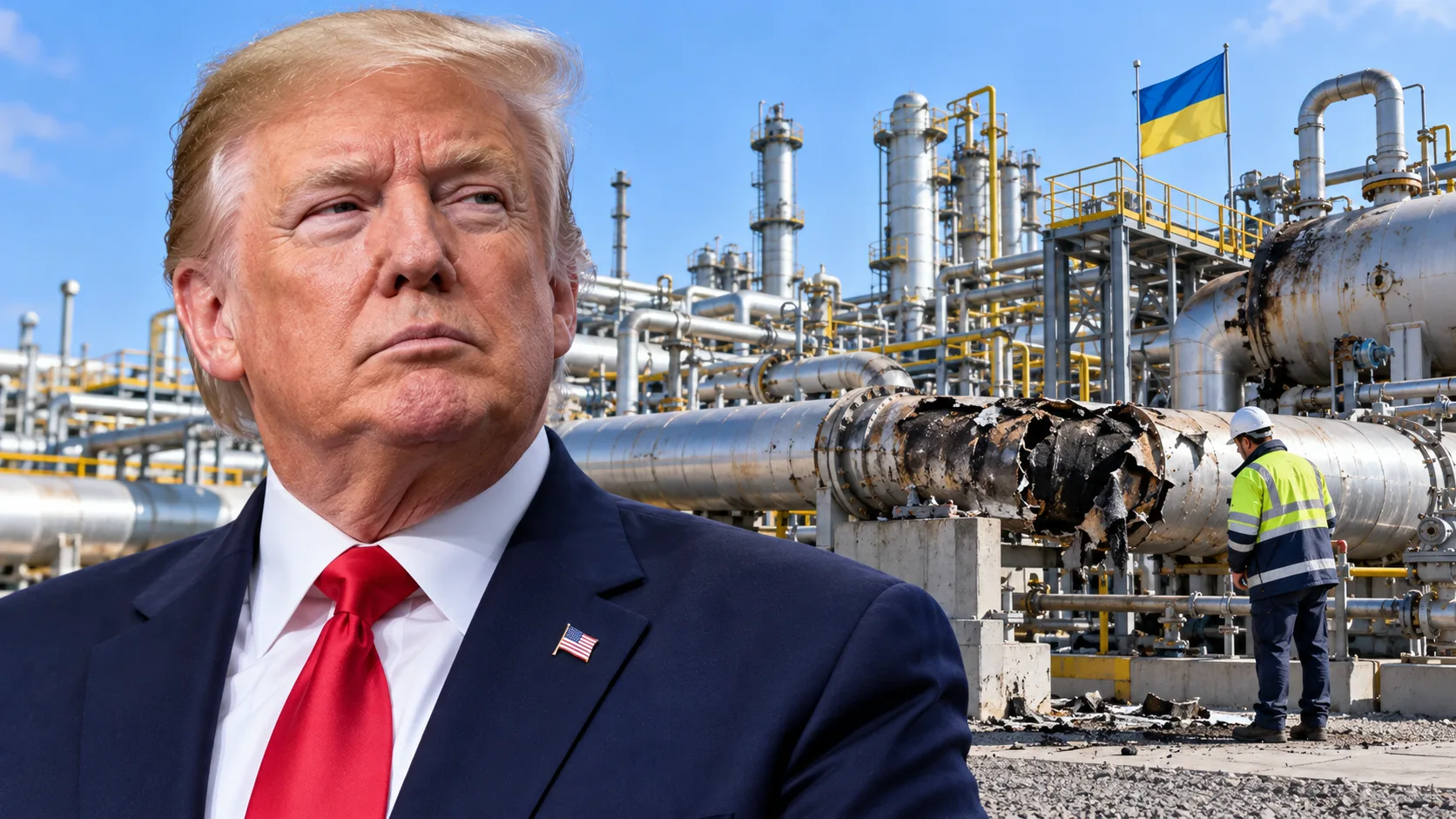
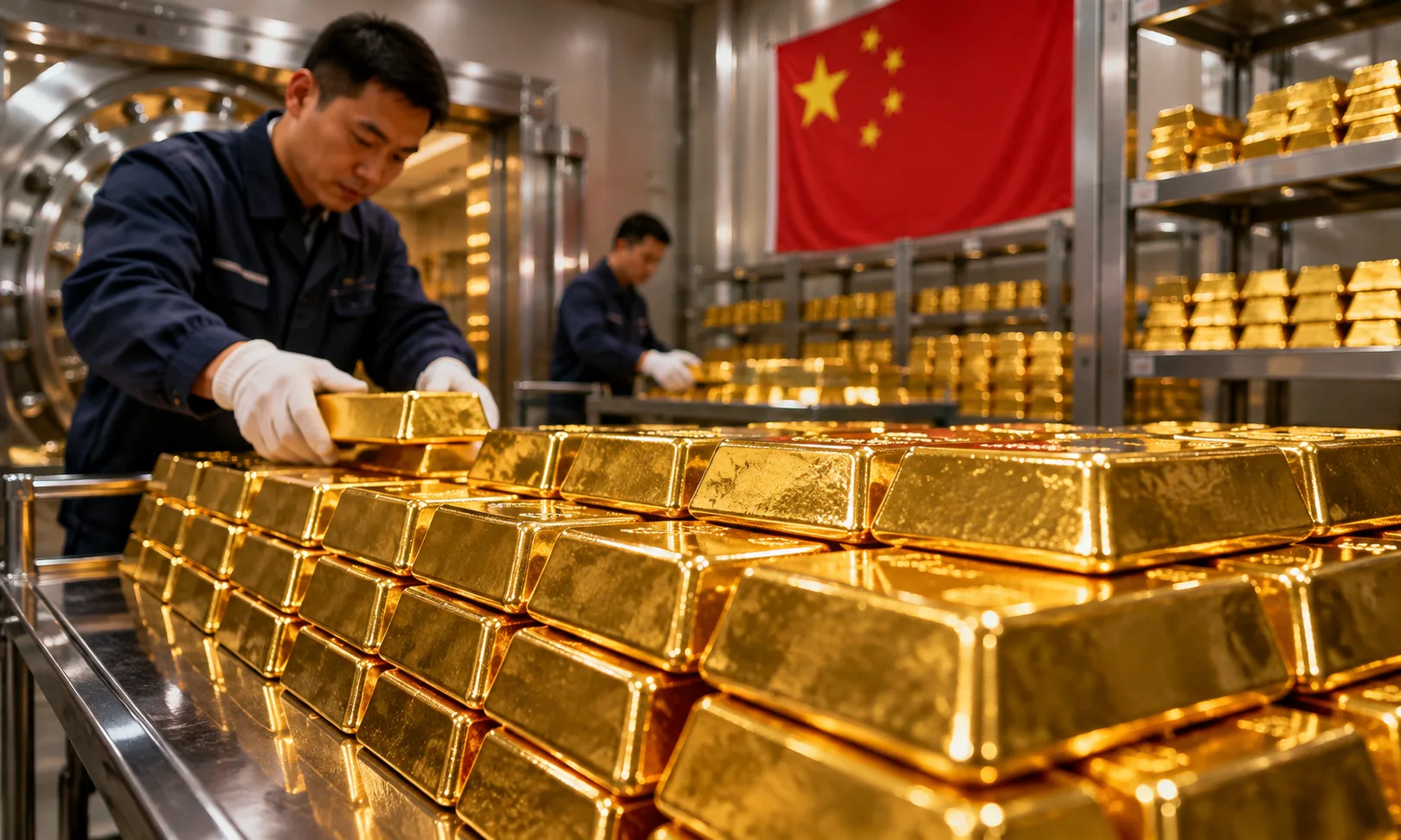
China didn’t fire missiles or move troops. It did something far more calculated — and in some ways, more dangerous. Beijing just tightened its grip on the global rare earths supply chain, reinforcing new rules that give the Chinese government sweeping control over mining, refining, and exports of the minerals that power everything from fighter jets and missiles to electric vehicles, semiconductors, wind turbines, and smartphones.
Markets noticed immediately. Rare earth–related stocks in China surged after state media amplified details of the regulatory overhaul from the Ministry of Natural Resources. The message was unmistakable: China is reminding the world, and especially Washington, that it controls the minerals modern economies cannot function without.
To investors and policymakers who understand leverage, this was not administrative housekeeping. This was economic nuclear signaling — the kind of move you make before a major negotiation, not after one.
And it could shape everything from supply chains and defense spending to U.S.-China tariff talks well into 2026.
The Move: Beijing Tightens Control Over Rare Earths
The updated rules require mining companies and refiners to obtain new licenses, comply with state-directed production quotas, and submit to heightened oversight. Exports will face stricter review, and any company operating outside Beijing’s guidance risks losing access entirely.
This comes at a moment when global demand is soaring. According to the International Energy Agency, demand for rare earths in clean energy technologies alone has jumped nearly 70% in the last three years. The U.S. Department of Energy estimates that demand for certain elements like neodymium and dysprosium, essential for defense systems and EV motors could triple by 2035.
China already controls:
- Roughly 70% of global rare earth mining
- Nearly 90% of refining capacity
- And dominates midstream processing needed for advanced tech and weapons
Now, it is tightening the screws further.
This is not protectionism. It is posturing. And it puts Washington in a weaker negotiating position than many analysts want to admit.
Why This Is the Economic Equivalent of Nuclear Deterrence
Nuclear weapons aren’t meant to be used. They’re meant to define the boundaries of power. Rare earths are playing a similar role for China.
Beijing understands that:
- The U.S. defense sector cannot build F-35 fighter jets or guided missile systems without rare earth magnets
- Global EV supply chains depend on Chinese refining capacity
- NATO partners have no meaningful alternative suppliers at scale
- U.S. tariffs mean little if China can shut down materials essential to American manufacturing
By reasserting central control, China is issuing a warning without needing to say a word: If you escalate on trade, we can escalate on minerals.
This is not hypothetical. China banned exports of gallium and germanium last year in response to U.S. chip restrictions. The result? Prices spiked overnight and Western manufacturers scrambled for alternative supply.
This week’s changes are a much bigger play.
Timing Matters: The U.S. Election and Trade Negotiations
Beijing is not reacting it is setting the board.
New U.S. tariffs on Chinese goods are fueling the next stage of trade confrontation. American tech and manufacturing interests are pressing Congress and the White House for domestic sourcing incentives. And the Pentagon continues sounding alarms about resource dependency on China.
From Beijing’s perspective, tightening rare earth control now serves three strategic goals:
- Leverage Ahead of Negotiations
If Washington escalates tariffs, China can quietly weaponize minerals without ever declaring it. - Signal to Allies
Europe, Japan, and South Korea are watching closely — and many rely on Chinese supply just as much as the U.S. - Slow Western Diversification
Projects in Australia, the U.S., and Africa are still years from full-scale output. By tightening today, China reminds investors and governments that “Plan B” is still just a plan.
It is economic deterrence with global implications.
Chinese Stocks Jump, U.S. Players Scramble
After state media highlighted the policy updates, shares of Chinese rare earth companies like China Northern Rare Earth Group and Rising Nonferrous Metals surged.
But the reaction outside Beijing was different — and quieter. Most American and European producers were caught off guard. Companies like MP Materials in the U.S. and Lynas in Australia saw modest movement, but the policy didn’t immediately spike Western names.
That may change fast if China hints at export curbs or enforces production caps.
Investors who wait for the headline risk missing the trade entirely.
What This Means for U.S. Defense, Energy, and Tech
The implications go far beyond commodity supply.
1. Defense Contractors Face Hidden Vulnerabilities
Companies like Lockheed Martin, Raytheon, and Northrop Grumman are dependent on rare earth magnets, alloys, and processing that China dominates. A disruption could slow or freeze production schedules.
2. EV Makers Are Exposed
Tesla, GM, Ford, and Toyota rely on magnets and batteries built with dysprosium, neodymium, and terbium — elements China can throttle on short notice.
3. Semiconductor Strategy Isn’t Just About Chips
The U.S. has poured billions into onshoring advanced chipmaking. But chips still rely on inputs refined in China. That means the CHIPS Act has a weak spot built in.
4. Inflation Pressure Could Spike
If China restricts supply, costs for EVs, wind turbines, electronics, military hardware, and consumer goods could climb faster than central banks can manage.
The U.S. Response: Not Ready Yet
Washington knows the risk — but preparation is slow and fragmented.
The Defense Production Act has been invoked to support domestic mining. The Pentagon has funded projects in Texas, California, and Canada. But even if every announced project comes online, the U.S. lacks the processing infrastructure to replace China before 2030.
Lynas is building a refinery in Texas. MP Materials has a refining facility under construction. But neither can scale fast enough to offset tightening Chinese export terms.
The Biden and Trump administrations have both called rare earths a national security issue. Yet supply chain independence remains largely aspirational.
And Beijing knows it.
What Investors Should Watch Now
As China flexes its mineral control, several trends are poised to accelerate:
Capital Flows Into Non-Chinese Miners
Expect renewed interest in companies like:
- MP Materials (NYSE: MP)
- Lynas Rare Earths (ASX: LYC)
- Arafura Resources (ASX: ARU)
- Iluka Resources (ASX: ILU)
- Energy Fuels (NYSE: UUUU)
Defense and Strategic Stockpiles
The U.S. could boost federal purchasing of critical minerals and incentivize long-term offtake agreements with non-Chinese companies.
Policy-Driven Subsidies
Expect new tax credits, grants, and regulatory fast-tracking for projects tied to national security and clean tech.
Diplomatic Trade Linking
Beijing may use export licenses as bargaining chips in tariff, tech, and geopolitical negotiations.
This Is Leverage, Not Logistics
Beijing is not trying to clean up its mining sector. It is asserting dominance and choosing when, how, and to whom resources flow.
This is not about production — it is about power.
China is using rare earths like a deterrent, signaling escalation without pulling the trigger. It wants to walk into any future trade talks with Washington holding the mineral equivalent of a nuclear override button.
Investors need to grasp the deeper point: the rare earths war is not about shortages today. It is about control tomorrow.
Actionable Takeaways for Investors
Here’s how to think about positioning:
- Watch policy, not prices. The trigger won’t be a shortage — it will be an export restriction tied to a U.S. move.
- Expect retaliation cycles. If Washington ramps tariffs, China will test the mineral choke point.
- Look at midstream development. The biggest money will flow not just into mining but into refining and processing tech.
- Defense and EV suppliers may re-rate. Companies with secured supply arrangements will command premiums.
- Commodities may front-run headlines. Traders will price in future risk before politicians acknowledge it.
This Is China Signaling Nuclear Readiness… Economically
Beijing’s rare earths policy shift isn’t administrative fine print. It’s a warning shot — and a reminder that China can influence inflation, defense readiness, and industrial policy with a single licensing decision.
The next round of U.S.-China negotiations won’t be waged with tariffs alone. They’ll be fought with minerals the modern world cannot function without.
And China just showed it’s willing to reach for the launch codes.
Investors who treat this like a supply-chain story are already behind. This is grand strategy, economic deterrence, and market realignment converging in real time.
The smart money is positioning now — not when the first export ban hits the wire.
About Author