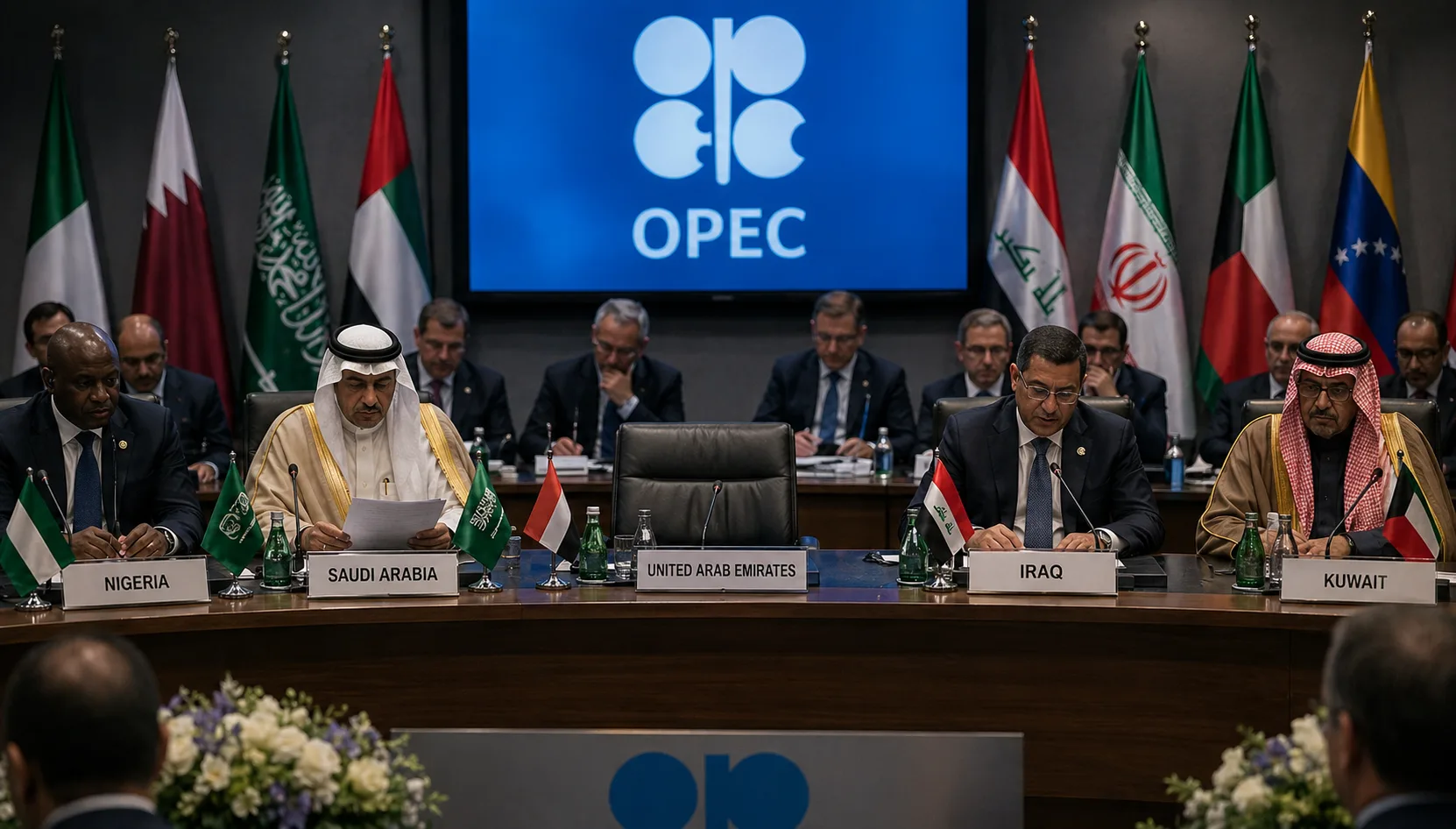
Europe just said the quiet part out loud.
German Chancellor Friedrich Merz publicly accused Iran of humiliating the United States. That is an extraordinary statement from Germany, a country that typically chooses carefully calibrated language during geopolitical crises.
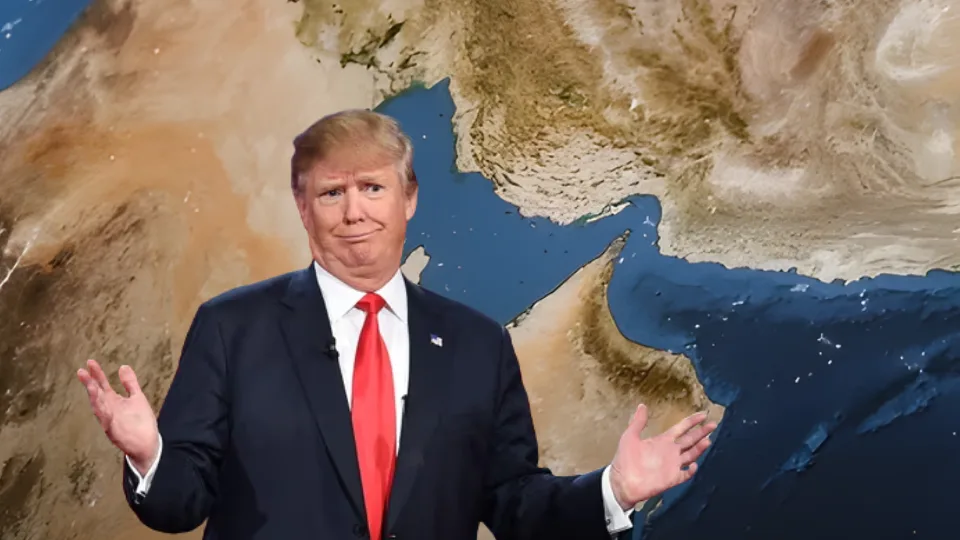
His comments came after President Donald Trump canceled another round of negotiations in Pakistan after talks failed to produce progress. Iran later floated a conditional offer to reopen the Strait of Hormuz if the U.S. lifted restrictions on Iranian ports and ended military pressure.
Reuters reported Trump was dissatisfied with the proposal and is expected to return with a counteroffer. That leaves investors facing a dangerous question: is this temporary volatility, or the early stages of a broader economic shock?
Europe’s Frustration Is Really About Energy
European leaders are publicly framing this as a geopolitical concern, but the deeper issue is economic pain.
Following the Russian invasion of Ukraine, Europe lost access to cheap Russian energy and has spent years rebuilding its supply chains. That process just became more expensive.
European Commission President Ursula von der Leyen said the EU has already spent an additional 25 billion euros on oil and gas imports since this conflict escalated.
Germany’s economy was already fragile. Higher energy costs create another major headwind for industrial growth.
That helps explain why Merz suddenly dropped diplomatic language.
The Market Is Underestimating the Inflation Risk
Most headlines remain focused on military developments.
Investors should focus on inflation.
If oil remains elevated:
- Transportation costs rise
- Manufacturing margins get squeezed
- Consumer spending weakens
- Inflation expectations rise
- Federal Reserve flexibility shrinks
That directly impacts Jerome Powell and the Federal Reserve.
Wall Street entered the year expecting lower rates.
This conflict could delay that timeline.
Winners and Losers if This Drags On
Energy producers could continue benefiting:
Exxon Mobil
Chevron
ConocoPhillips
Defense contractors could continue seeing inflows:
Lockheed Martin
RTX Corporation
Northrop Grumman
Potential losers include:
Delta Air Lines
American Airlines
United Airlines
Consumer discretionary stocks may also struggle if higher energy costs act like a hidden tax on households.
The Energy Escalation Chain
This is the framework investors should remember:
Military conflict → shipping disruption → oil spike → inflation pressure → delayed Fed cuts → market repricing
This framework helps readers track the story without getting lost in daily headlines.
The Contrarian Bet
Most investors are waiting for a dramatic event like a full shutdown of the Strait of Hormuz.
That may be the wrong framework.
Iran may prefer slow-moving pressure that keeps oil elevated for months without triggering overwhelming military retaliation.
That scenario could quietly do more damage to portfolios.
What Investors Should Watch Next
Watch:
- Trump’s counteroffer
- Hormuz shipping activity
- Oil price movements
- European economic weakness
- Federal Reserve commentary
Bottom Line
Markets still appear to believe this conflict fades soon.
Europe’s latest warning suggests that assumption could be dangerously wrong.
About Author