
Nvidia delivered another extraordinary quarter, doubling revenue to nearly $116 billion as demand for artificial intelligence chips continued to surge. But during its earnings call, the company made an equally significant announcement: co-founder Jensen Huang will not return as CEO, despite growing pressure from some of Silicon Valley’s most influential figures.
The decision leaves one of the world’s most valuable companies navigating an unprecedented leadership transition while facing mounting regulatory scrutiny. For investors, the question is whether Nvidia’s powerful AI business can keep delivering record results without the executive who built it.
Nvidia’s Earnings Were Remarkable, Even by Its Own Standards
Nvidia reported fiscal third-quarter revenue of $115.8 billion on Tuesday, November 17, a 103% increase from the same period last year and a 20% jump from the previous quarter. The company also delivered stronger-than-expected earnings, reinforcing its position at the center of the global artificial intelligence infrastructure boom.
The most significant growth came from Nvidia’s data center business, where revenue more than doubled to $107.6 billion. That division now accounts for approximately 93% of total company revenue, illustrating how thoroughly Nvidia’s fortunes have become tied to AI infrastructure spending.
Profitability remained exceptionally strong. Nvidia reported GAAP net income of $65.3 billion, compared with $31.9 billion a year earlier, while its gross margin reached 74.8%. Management also projected approximately $130 billion in fourth-quarter revenue, plus or minus 3%, signaling that demand remains strong heading into the final months of its fiscal year.
The company has already begun shipping its next-generation Vera Rubin computing platform, with deployments underway across major cloud infrastructure providers including Microsoft, Google, Oracle and CoreWeave. These advances reinforce Nvidia’s central role in the enormous spending commitments being made by the world’s largest technology companies.
Yet the company’s financial performance was only half the story investors were following.
Nvidia’s Board Delivers a Definitive Answer on Jensen Huang
During Tuesday’s earnings call, Nvidia Chairman Harvey Jones addressed the controversy surrounding the company’s leadership. He made clear that Nvidia’s board would move forward with its search for a permanent chief executive rather than bring Huang back into the position he held for more than three decades.
Huang resigned on November 12 after revelations about personal relationships triggered questions about potential conflicts of interest and national security concerns. Among the issues receiving scrutiny is his relationship with a Chinese businesswoman whose possible connections to Chinese intelligence are reportedly being investigated by U.S. authorities. Those connections remain allegations under examination, and the existence of an investigation does not establish wrongdoing.
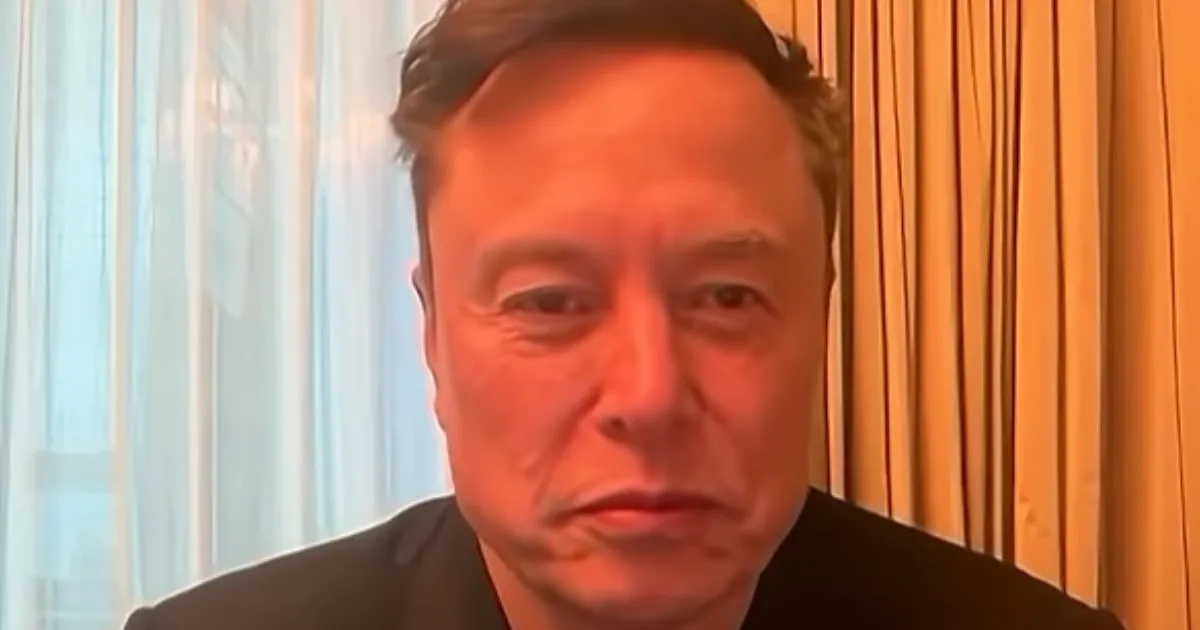
The controversy sparked an unusual public campaign among prominent technology and political figures calling for Huang’s reinstatement. President Donald Trump and Tesla CEO Elon Musk were among those publicly supporting his return, according to Associated Press reporting. Huang himself indicated he would be willing to return if the board believed it was in the company’s best interests.
But Nvidia’s directors unanimously rejected that possibility, drawing a clear boundary between the company’s former leadership and its future. The board’s position also brings an important governance issue into focus: Nvidia must demonstrate that its operations, relationships with customers and long-term technology strategy can continue independently of its founder.
That challenge is especially consequential for a company whose products have become central to the investment plans of some of the world’s largest corporations.
Nvidia’s New CEO Faces a Billion-Dollar Test
Colette Kress, Nvidia’s longtime chief financial officer, has stepped into the interim CEO position during one of the most consequential periods in the company’s history. Kress has worked at Nvidia since 2013 and played a central role in its transformation from a graphics processor manufacturer into the dominant supplier of AI computing infrastructure.
During Tuesday’s earnings call, she sought to reassure investors that the company’s strategy, customer relationships and technology development remain on track. Kress emphasized the strength of Nvidia’s engineering teams and its next-generation Vera Rubin computing platform, while signaling continuity in the company’s broader business strategy.
Her immediate challenge is substantial. Nvidia must maintain rapid growth while navigating leadership uncertainty, government investigations and intensifying questions about whether the massive spending behind the AI boom can continue indefinitely.
The company’s customers are committing extraordinary amounts of capital to data centers, computing hardware and energy infrastructure. Nvidia benefits directly from those expenditures, but its future growth depends on customers continuing to believe the investments will generate sufficient returns.
Strong earnings suggest that demand remains robust. However, investors will increasingly scrutinize whether Nvidia can sustain that momentum as AI infrastructure spending reaches historically unprecedented levels.
A New Regulatory Threat Is Emerging
Nvidia’s leadership crisis is unfolding alongside potentially more consequential questions involving U.S. national security and technology exports.
According to Reuters, The Wall Street Journal reported that the Securities and Exchange Commission is investigating Nvidia. The company also faces congressional scrutiny over whether restricted AI chips reached Chinese businesses through intermediaries.
The allegations have raised concerns about the effectiveness of export-control compliance at a company whose most advanced products are considered strategically important to U.S. technological leadership. Nvidia has announced the creation of a board committee focused on national security and global trade compliance, while indicating that it is cooperating with congressional inquiries.
Huang is scheduled to appear for a congressional interview on December 1, with Nvidia General Counsel Tim Teter expected to follow on December 2. Those appearances could provide important details about the company’s internal controls, relationships with overseas customers and handling of sensitive technology.
For investors, the regulatory implications extend beyond Nvidia’s reputation. Additional export restrictions, penalties or compliance requirements could affect the company’s access to certain customers, increase operating costs or complicate its global supply chain.
It remains unclear whether the investigations will result in enforcement action or establish wrongdoing. Still, the combination of regulatory uncertainty and an unexpected CEO transition creates a level of risk that investors must weigh against Nvidia’s exceptional financial performance.
Why Nvidia’s Earnings Matter Across Wall Street
AI Spending Shows Few Signs of Slowing
Nvidia’s latest results demonstrate that major technology companies are continuing to invest aggressively in artificial intelligence infrastructure.
Microsoft, Google, Meta and other technology giants rely on advanced computing systems to support increasingly sophisticated AI applications. That spending supports a broad ecosystem of semiconductor manufacturers, networking equipment suppliers, data center operators and electricity providers.
Nvidia’s $130 billion revenue forecast for the current quarter suggests that the company expects demand to remain elevated despite concerns about the sustainability of the AI investment cycle. However, the forecast includes an additional week in the quarter, an important detail when comparing growth rates.
For investors holding technology stocks or funds tracking major market indexes, Nvidia’s performance carries implications far beyond a single company.
Leadership Risk Could Affect Nvidia’s Valuation
Nvidia shares rose approximately 5.2% in after-hours trading following Tuesday’s earnings announcement, according to the Associated Press. The reaction suggests that investors initially placed considerable weight on the company’s exceptional financial results and forward guidance.
However, the leadership controversy has already contributed to substantial volatility, highlighting the challenge of valuing a company whose growth prospects remain extraordinary while uncertainty surrounds its leadership and regulatory exposure.
Investors may continue assigning a higher risk premium to Nvidia until the board names a permanent CEO and provides greater clarity about the investigations. Even exceptional earnings growth cannot entirely eliminate that uncertainty.
Profit Margins Deserve Closer Attention
One figure in Nvidia’s earnings report deserves particular scrutiny. The company reported a non-GAAP gross margin of 74.9% in the third quarter, but its fourth-quarter guidance calls for margins between 71% and 72%.
That projected decline could become increasingly important if it persists beyond the current quarter.
Nvidia’s ability to maintain unusually high profitability has been central to its investment appeal. Strong pricing power and demand for specialized AI processors have allowed the company to capture enormous profits from the infrastructure boom.
Lower margins could reflect changes in product mix, manufacturing expenses or the costs associated with introducing new computing platforms. Investors will want to determine whether the decline represents a temporary transition or the beginning of a more lasting shift in profitability.
The Biggest Surprise May Be Nvidia’s Ability to Move Forward
The most consequential takeaway from Tuesday’s earnings call may be that Nvidia’s business continued producing extraordinary results despite losing its most recognizable executive.
For years, Huang was closely associated with nearly every major Nvidia announcement, product launch and strategic initiative. His departure created immediate concerns about customer confidence, employee retention and whether the company’s technology roadmap could continue without disruption.
Yet Nvidia’s latest figures suggest its operational strength remains intact. Demand for AI processors continues to expand, major customers are deploying its next-generation systems, and the company retains an enormous installed base of developers and enterprise customers.
There is a potentially important investment lesson in that performance. Nvidia may have reached a point where its competitive advantages, including its software ecosystem, hardware capabilities and established customer relationships, are sufficiently powerful to sustain the business through a major leadership transition.
That proposition will require further evidence, particularly as competitors develop alternative AI processors and major cloud companies invest in custom chips. But if Nvidia can maintain its technological advantage without Huang, it could eventually reduce one of the largest uncertainties surrounding the company’s long-term valuation.
Three Developments Investors Should Watch
1. The Search for a Permanent CEO
Nvidia’s board has committed to finding a permanent replacement without rushing the process. Investors will closely evaluate whether the eventual appointment preserves the company’s existing technology strategy and relationships with major customers.
2. Congressional Testimony and Regulatory Investigations
Huang’s scheduled December 1 congressional interview and the December 2 appearance by Nvidia’s general counsel could provide new information about export-control concerns. Any developments involving the reported SEC investigation could also influence investor sentiment.
3. Fourth-Quarter Growth and Profitability
Nvidia’s $130 billion revenue outlook establishes another demanding benchmark. Investors will be watching whether sales continue exceeding expectations and whether the projected decline in gross margins proves temporary.
The company also faces the broader challenge of demonstrating that strong demand for AI computing infrastructure can continue as customers become more selective about capital spending.
The Bottom Line
Nvidia’s earnings provided powerful evidence that the artificial intelligence investment boom remains intact. Revenue doubled, profits surged and management projected another quarter of extraordinary growth.
But the company now faces a challenge that financial results alone cannot resolve. Its board has rejected Jensen Huang’s return, a new CEO must be selected, and regulatory investigations threaten to keep the company’s leadership controversy in the headlines.
For investors, Nvidia has become a test of whether an extraordinary business can remain extraordinary after losing the executive who built it.
The next several months could determine whether Nvidia’s leadership transition becomes a temporary distraction or a lasting factor in how Wall Street values the world’s most important AI chipmaker.
About Author