Oil prices swung sharply lower Tuesday after new comments from U.S. Treasury Secretary Scott Bessent and officials in Qatar suggested negotiations to reopen the Strait of Hormuz may be gaining momentum.
The reversal caught traders off guard. Earlier in the session, crude had surged after reports of another security incident near the critical shipping lane. But optimism over a possible diplomatic breakthrough quickly erased those gains, sending oil prices down roughly 4% and giving stocks and bonds a lift.
For investors, the market reaction highlights just how sensitive global markets remain to every headline involving the Middle East.
Oil Prices Reverse Course
Brent crude, the international benchmark, climbed above $86 per barrel earlier Tuesday before plunging roughly 4% to around $80.75.
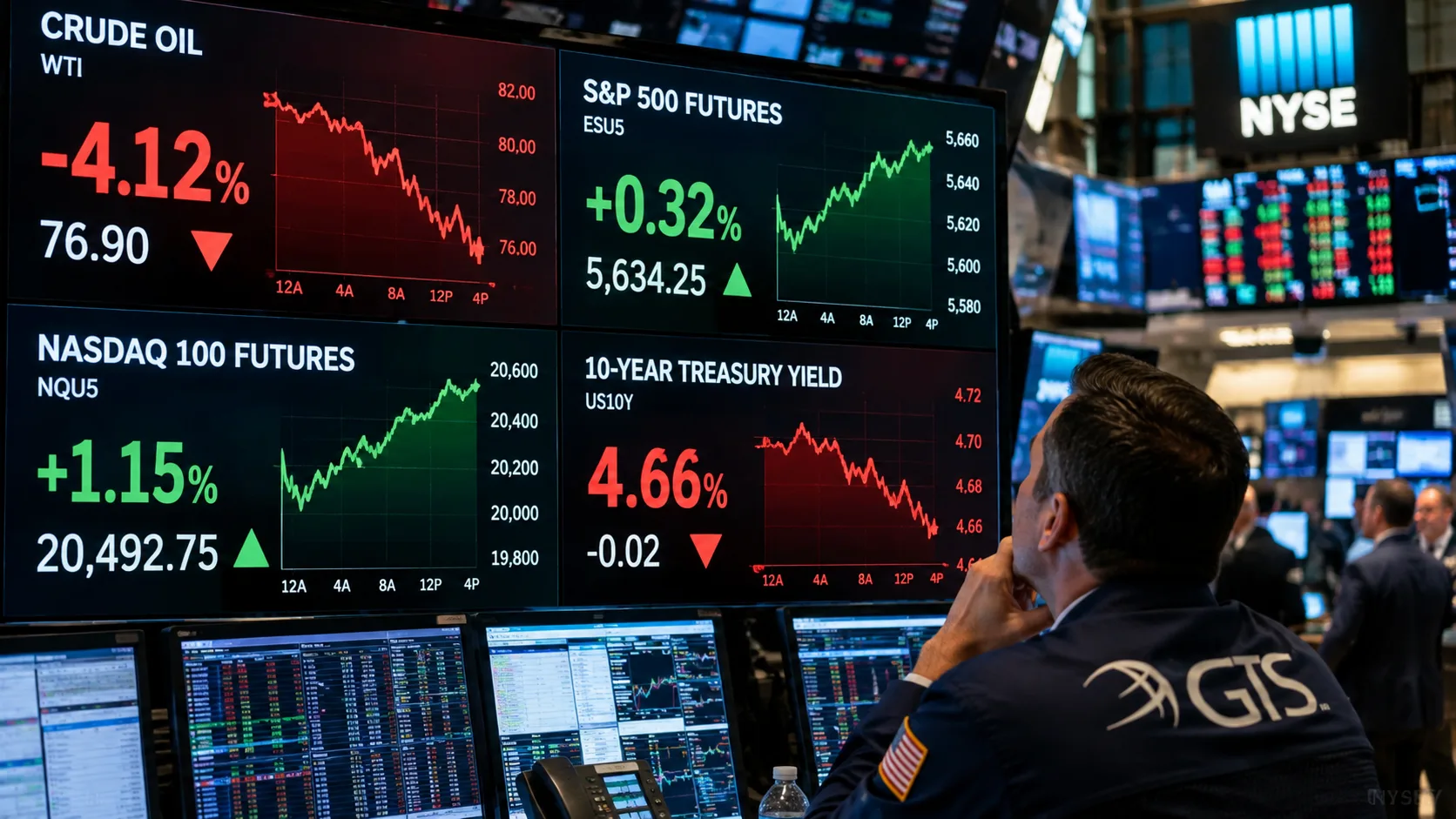
U.S. West Texas Intermediate (WTI) followed a similar path. After reaching an intraday high above $82 per barrel, futures fell approximately 4% to around $76.90.
The dramatic move reflected a rapid shift in market expectations. Traders who had been pricing in a prolonged disruption to global oil supplies suddenly began betting that shipping through one of the world’s most important energy chokepoints could resume sooner than expected.
Bessent Says a Deal Could Come Within Days
Speaking on CNBC, Treasury Secretary Scott Bessent said an agreement between the United States and Iran could potentially be reached as early as Tuesday or Wednesday.
According to Bessent, negotiations are focused on reopening the Strait of Hormuz and returning the region to what he described as a more “normalized position.”
His comments were reinforced by Qatar’s Foreign Ministry spokesperson, Majed al-Ansari, who confirmed that discussions aimed at de-escalation are continuing.
While al-Ansari emphasized there are currently no direct negotiations between the U.S. and Iran, he said diplomatic efforts remain ongoing with the goal of reopening the vital waterway.
Why the Strait of Hormuz Matters
The Strait of Hormuz is one of the world’s most strategically important energy corridors.
Roughly one-fifth of global oil consumption passes through the narrow passage connecting the Persian Gulf with the Gulf of Oman and the Arabian Sea.
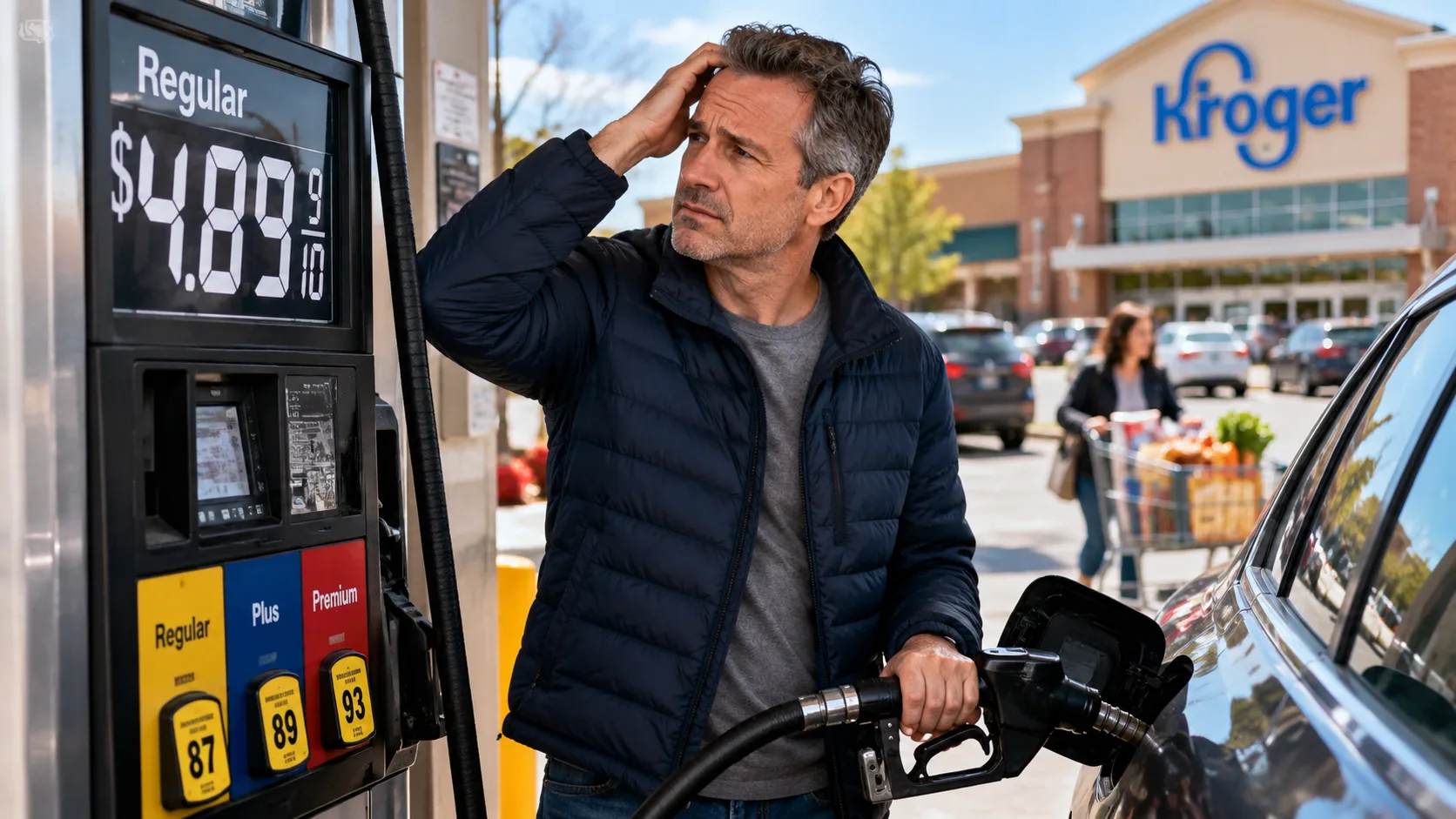
Any disruption immediately raises concerns about supply shortages, higher shipping costs, and rising fuel prices around the world.
That is why markets have reacted so violently to recent military developments in the region.
Earlier Security Incident Had Driven Oil Higher
Before the diplomatic headlines emerged, oil prices had been climbing after reports that a commercial vessel was struck by an “unknown projectile” near Al Khasab along Oman’s coastline.
According to the United Kingdom Maritime Trade Operations (UKMTO), authorities are investigating the incident.
Officials have not disclosed where the vessel originated, what cargo it was carrying, or who may have been responsible. No group has claimed responsibility for the attack.
The incident initially reinforced fears that shipping through the Strait of Hormuz remained vulnerable, pushing crude prices sharply higher before sentiment reversed.
Stocks and Bonds Rally as Oil Falls
The decline in oil prices helped fuel gains across broader financial markets.
S&P 500 futures extended their advance following Bessent’s comments, while Nasdaq-100 futures posted even stronger gains as investors welcomed the prospect of easing geopolitical tensions.
Treasury bonds also strengthened. The yield on the benchmark 10-year Treasury note slipped from approximately 4.68% before Bessent’s remarks to around 4.66%, reflecting increased demand for bonds. Bond prices move inversely to yields.
Lower oil prices also ease concerns that another energy shock could reignite inflation, a development that investors have been closely watching amid expectations for future Federal Reserve policy.
Investors Are Trading Headlines, Not Fundamentals
Tuesday’s price action underscores how quickly sentiment can shift during periods of geopolitical uncertainty.
Within hours, the market moved from pricing in escalating conflict to anticipating a possible diplomatic breakthrough.
Whether that optimism proves justified will likely depend on whether negotiations produce tangible progress and whether the Strait of Hormuz can safely reopen without further disruptions.
For now, investors should expect continued volatility, as every development in the region has the potential to move oil prices, inflation expectations, and global financial markets.
About Author