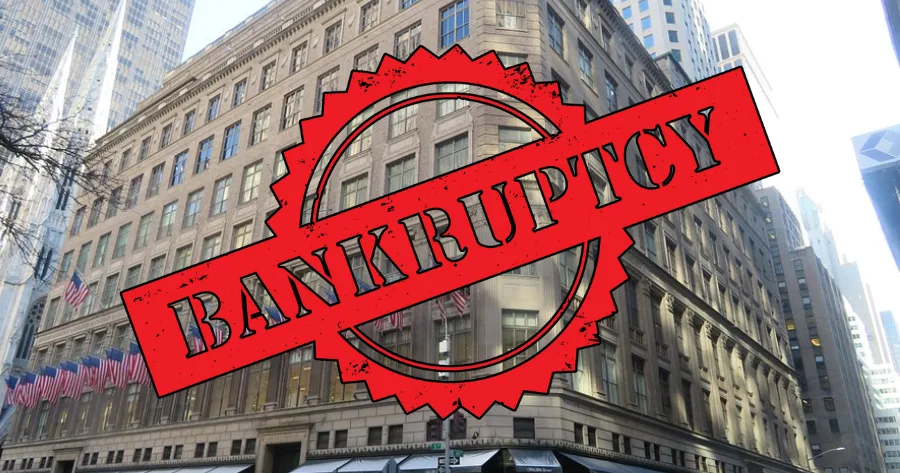
Saks Global, the parent company of Saks Fifth Avenue, has filed for Chapter 11 bankruptcy protection, marking one of the most significant restructurings the luxury department store sector has seen in years. The filing comes after mounting debt from the company’s 2024 acquisition of Neiman Marcus collided with slowing consumer demand, operational strain, and tightening credit conditions across retail.
The bankruptcy raises major questions about the future of Saks Fifth Avenue’s physical footprint, supplier relationships, and long-term competitiveness in a luxury market that is rapidly shifting toward direct-to-consumer brands and digital commerce.
For investors, landlords, vendors, and mall operators, this filing underscores how even iconic retail brands are not immune to leverage risk and changing consumer behavior.
How Saks Global Reached Bankruptcy
Saks Global was formed in 2024 when Hudson’s Bay Company completed a $2.65 billion acquisition of Neiman Marcus. The goal was to consolidate two legacy luxury department store chains into a single powerhouse that could gain pricing leverage with brands, streamline logistics, and revive foot traffic in premium malls.
Instead, the integration amplified financial stress.
Saks Global entered the merger already carrying significant debt. Combining two capital-intensive retail businesses did not deliver cost savings fast enough to offset rising interest expenses and weakening sales momentum. Luxury spending softened throughout 2025 as higher borrowing costs, uneven wage growth, and consumer caution weighed on discretionary purchases.
Retail traffic data across major U.S. malls also showed declining footfall, a trend that disproportionately impacts department stores that rely on in-person browsing and impulse purchases.
The timing could not have been worse.
Shifting Consumer Behavior Is Hitting Saks Fifth Avenue
Saks Fifth Avenue and similar department stores face several structural headwinds:
Direct-to-Consumer Expansion
Luxury brands increasingly sell directly to shoppers through their own websites, flagship stores, and exclusive loyalty programs. This cuts out department store margins and reduces the incentive for brands to allocate prime inventory to third-party retailers.
Price Sensitivity Among Shoppers
Consumers have become more critical of luxury pricing relative to perceived quality. Social media discussions and resale platform data suggest buyers are delaying purchases or shifting toward premium resale marketplaces instead of full-price department stores.
Store Closures Across the Sector
Traditional retailers continue shrinking their physical footprints. Macy’s closed hundreds of locations in 2024. Lord & Taylor exited the market entirely years earlier. The economics of large-format department stores remain under pressure as e-commerce absorbs a greater share of apparel and accessory sales.
Economic Uncertainty
Consumer confidence has remained volatile amid slower job growth and elevated household debt levels. A recent CNN poll showed a majority of Americans blaming the White House for economic strain, which has translated into more cautious discretionary spending.
Luxury retail tends to feel this shift early because high-ticket purchases are often postponed when confidence weakens.
Leadership Changes Signal Deeper Instability
Operational stress inside Saks Global became increasingly visible in early January when then-CEO Marc Metrick stepped down following reports that the company had missed a large debt payment. Richard Baker, Saks Global’s executive chairman, assumed the CEO role temporarily.
Now Baker is stepping aside as well.
Former Neiman Marcus chief executive Geoffroy van Raemdonck will take over leadership through the bankruptcy restructuring process.
In a company statement, van Raemdonck said:
“This is a defining moment for Saks Global, and the path ahead presents a meaningful opportunity to strengthen the foundation of our business and position it for the future.”
He added:
“In close partnership with these newly appointed leaders and our colleagues across the organization, we will navigate this process together with a continued focus on serving our customers and luxury brands. I look forward to serving as CEO and continuing to transform the Company so that Saks Global continues to play a central role in shaping the future of luxury retail.”
Leadership turnover during restructuring often reflects creditor influence and the need for turnaround experience rather than brand continuity.
Vendor Strain Accelerated the Downward Spiral
One of the biggest warning signs preceding the bankruptcy was Saks Global’s difficulty paying suppliers on time. Delayed payments strained relationships with luxury brands and wholesalers, reducing inventory availability in stores and online.
Retail analyst Neil Saunders described the dynamic bluntly:
“The truth is that Saks Global put itself in a financially precarious position that undermined the day-to-day operations of the business. A lack of cash meant suppliers went unpaid, this created inventory gaps which then drove customers away and caused revenue and cash generation to plummet. This classic vicious spiral put the business in an unsustainable position.”
Saunders also noted that bankruptcy was the “likely destination” once Saks absorbed Neiman Marcus’s debt burden, adding that the speed of the collapse was the main surprise.
Inventory shortages are particularly damaging for luxury retailers because shoppers expect consistent access to new seasonal collections, limited releases, and premium sizing availability.
Bankruptcy Financing and Liquidity Outlook
Saks Global announced that it has secured $1 billion in debtor-in-possession financing to maintain operations during restructuring. The company also said bondholders have committed an additional $500 million in financing upon emergence from bankruptcy.
This liquidity should allow Saks Fifth Avenue stores to remain open, continue vendor payments, and stabilize inventory flow in the near term. However, DIP financing often comes with strict operating conditions and aggressive performance targets set by lenders.
Bankruptcy court filings are expected to reveal:
- Store-by-store profitability metrics
- Lease renegotiation strategies
- Potential asset sales
- Brand licensing opportunities
- Workforce restructuring plans
Real estate exposure will be a critical variable, especially for flagship Saks Fifth Avenue locations in New York, Beverly Hills, and Chicago where lease economics materially affect cash flow.
What This Means for Saks Fifth Avenue Shoppers
For consumers, Saks Fifth Avenue stores and online operations are expected to continue operating normally during restructuring. Gift cards, returns, and loyalty programs are typically honored during early bankruptcy stages, though policies can evolve depending on court approvals.
Discounting activity could increase as Saks seeks to clear slower-moving inventory and improve liquidity. However, luxury brands may restrict allocation if payment terms remain tight, which could limit selection in certain categories.
Shoppers may also see more emphasis on private labels, exclusive collaborations, and experiential retail concepts as Saks Fifth Avenue attempts to differentiate from pure online competitors.
Investor Implications and Broader Market Signals
While Saks Fifth Avenue is privately held, the bankruptcy carries important signals for investors:
Mall and Retail REIT Exposure
Shopping center owners with heavy department store exposure may face renewed vacancy risk and lease renegotiation pressure. Anchor tenant instability directly impacts mall traffic and smaller inline retailers.
Luxury Brand Margin Risk
Brands that rely heavily on wholesale distribution may see margin compression as department stores push for better payment terms or reduce order volumes.
Credit Market Caution
The collapse reinforces how leveraged retail rollups remain vulnerable in higher interest rate environments. Private equity and structured credit investors may become more selective about retail exposure.
Consumer Spending Sensitivity
Weakness in luxury retail often foreshadows broader discretionary pullbacks, which can ripple into apparel manufacturers, logistics firms, and advertising platforms.
What Comes Next for Saks Fifth Avenue
The restructuring process will determine whether Saks Fifth Avenue emerges as a leaner luxury platform or whether asset divestitures and store closures become unavoidable.
Key milestones to watch:
- Court approval of financing packages
- Vendor repayment schedules
- Store optimization announcements
- Lease renegotiation outcomes
- Any sale or spin-off discussions
If Saks successfully stabilizes operations, it could retain its role as a premium omnichannel retailer. If restructuring falters, further consolidation or asset liquidation may follow.
Either way, the bankruptcy of Saks Fifth Avenue’s parent company is another reminder that legacy retail brands must adapt rapidly or risk becoming casualties of structural market change.
About Author