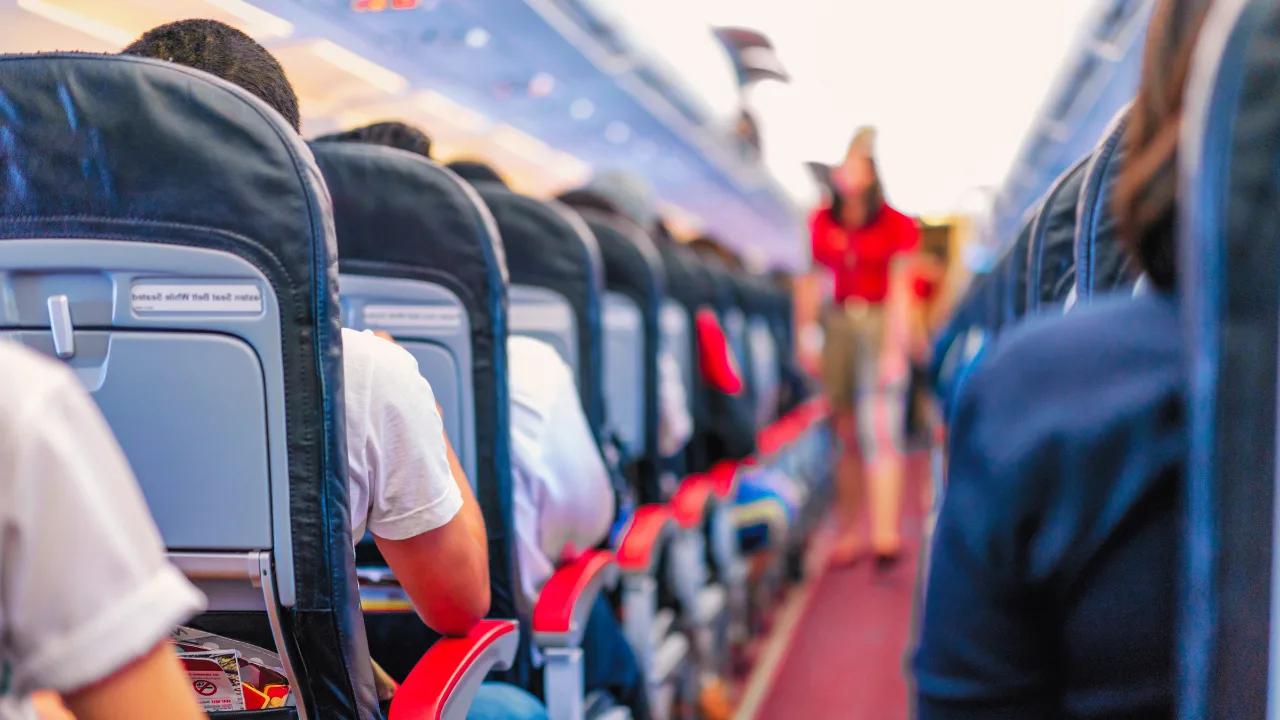
Southwest Airlines is rewriting the rules of the sky. Starting January 27, the carrier will require plus-size passengers who need extra space to buy two seats upfront, with refunds only granted if strict new conditions are met. The change lands on the same day Southwest eliminates its hallmark open seating and introduces assigned seats, signaling one of the most dramatic policy shifts in the airline’s history.
For travelers, it means more uncertainty, added costs, and in some cases, frustration. For investors, it signals a bold push into ancillary revenue that could reshape Southwest’s financial trajectory. The company projects billions in earnings improvements from its new fee structure, but critics warn the move risks alienating loyal customers who long valued Southwest’s inclusive culture and consumer-friendly policies.
At its core, this is more than a refund policy update—it’s a test of whether Southwest can pivot from its “customer-first” image toward a revenue-first model without losing the trust of the very passengers who built its brand.
What’s Changing in Southwest’s Refund Policy
For decades, Southwest’s Customer of Size program stood out among U.S. airlines. Passengers who couldn’t comfortably fit in one seat—defined as not fitting between two lowered armrests—were encouraged to buy a second seat but could later apply for a refund. It was widely praised as both fair and compassionate, ensuring safety and comfort without punishing travelers for body size.
That flexibility is now narrowing. Under the updated rules, Southwest will still allow plus-size customers to seek a refund for their second seat—but only if three strict conditions are met:
- The flight departs with at least one open seat (or passengers travel on space-available passes).
- Both seats must be purchased in the same fare class (Choice, Choice Preferred, Choice Extra, or Basic).
- Refund requests must be submitted within 90 days of travel.
The carrier has also formalized that any passenger who cannot fit between two lowered armrests must purchase a second seat in advance—a shift from the previous “recommended but not required” approach.
This aligns with Southwest’s wider changes: the airline is phasing out its open seating policy and introducing assigned seating across its entire network, a change effective January 27 as well.
Traveler Backlash and Public Response
Reaction to the change has been swift. Many plus-size passengers and travel advocates say the policy feels punitive.
Jeff Jenkins, founder of Chubby Diaries, told USA TODAY:
“It seems like a sneaky add on from a policy that had been around for 20+ years without much hitting the bottom line. I just hope that consumers are aware of this change and I wonder if plus size people will skip out on flying with them at all because of them not knowing if the flight is sold out or not. It’s just more anxiety to an already high anxiety experience.”
Tigress Osborn, executive director of the National Association to Advance Fat Acceptance, echoed those concerns:
“Southwest was the only beacon of hope for many fat people who otherwise wouldn’t have been flying. And now that beacon has gone out.” (Economic Times)
Travel professionals also warn of economic ripple effects. Kaycee Bivens, a travel agent who runs Plus Size Passport, explained:
“If you’re already budgeting and now you’ve got to add $300 to $400 to your budget, that may mean less travelers.” (Economic Times)
For a brand that built decades of loyalty on inclusivity—famously touting “bags fly free” and an easygoing open-seating model—this is a seismic shift.
Why Investors Should Pay Attention
While headlines focus on passenger backlash, the underlying story is about Southwest’s revenue model. The carrier is under pressure to close a performance gap versus peers.
- Ancillary revenue opportunity: Analysts estimate Southwest’s overhaul of fees—including baggage charges, seating upgrades, and now refund restrictions could generate $4.3 billion in EBIT by 2026.
- Immediate market reaction: When Southwest announced new bag fees earlier this year, its stock surged 9%. Investors see these changes as necessary to improve profitability.
- Shareholder influence: Activist investor Elliott Management, which owns about 11% of Southwest, has pushed aggressively for cost cuts, fee adoption, and operational changes.
Still, there are risks:
- Southwest’s net margin remained negative (-2.3%) in Q2 2025, despite aggressive buybacks and dividends.
- The airline has underperformed peers, delivering ~21% year-over-year returns compared with ~89% for the broader airline sector.
In other words: these changes may be necessary—but they come with brand risk that could backfire if not executed carefully.
Investor Takeaways
Here’s what investors should track:
- Revenue vs. Loyalty Metrics – Watch quarterly earnings for growth in ancillary revenue, but also keep an eye on customer satisfaction scores and churn.
- Execution Risk – Refund disputes and customer confusion could trigger reputational damage. If refund processing becomes a PR nightmare, the brand impact may outweigh revenue gains.
- Competitor Moves – If rivals like Delta or United exploit this backlash by highlighting inclusivity, Southwest may lose market share.
- Shareholder Pressure – Elliott Management’s influence suggests further fee hikes or efficiency measures could follow. Investors should monitor activist involvement closely.
- Sustainability of Returns – With margins still negative and payout ratios above 100%, Southwest’s aggressive shareholder rewards may not be sustainable long-term.
Why This Matters Beyond Numbers
For many Southwest loyalists, this policy change feels like the airline has abandoned its soul. For years, its “bags fly free” and “everyone’s welcome” ethos made it a favorite—even when competitors offered cheaper fares.
Now, the narrative is shifting. Policies that generate revenue may satisfy Wall Street, but they risk alienating Main Street travelers who built the brand. Investors should not underestimate the power of reputation in an industry where loyalty programs and perception heavily influence bookings.
Final Word
Southwest Airlines is attempting a delicate maneuver: transforming from a customer-first disruptor into a revenue-driven airline without losing its brand identity.
The new refund restrictions for plus-size passengers are one part of this strategy—but also a litmus test. If the airline manages to boost earnings without alienating core customers, investors could see long-term upside. But if backlash deepens, the short-term revenue gains could unravel into long-term reputational and financial damage.
For investors, the smart play is to monitor early signals—customer feedback, ancillary revenue growth, and load factors in Q1 2026. In a sector where margins are razor-thin and brand perception is everything, Southwest’s gamble could either pay off big—or cost it the loyalty that made it different in the first place.
About Author